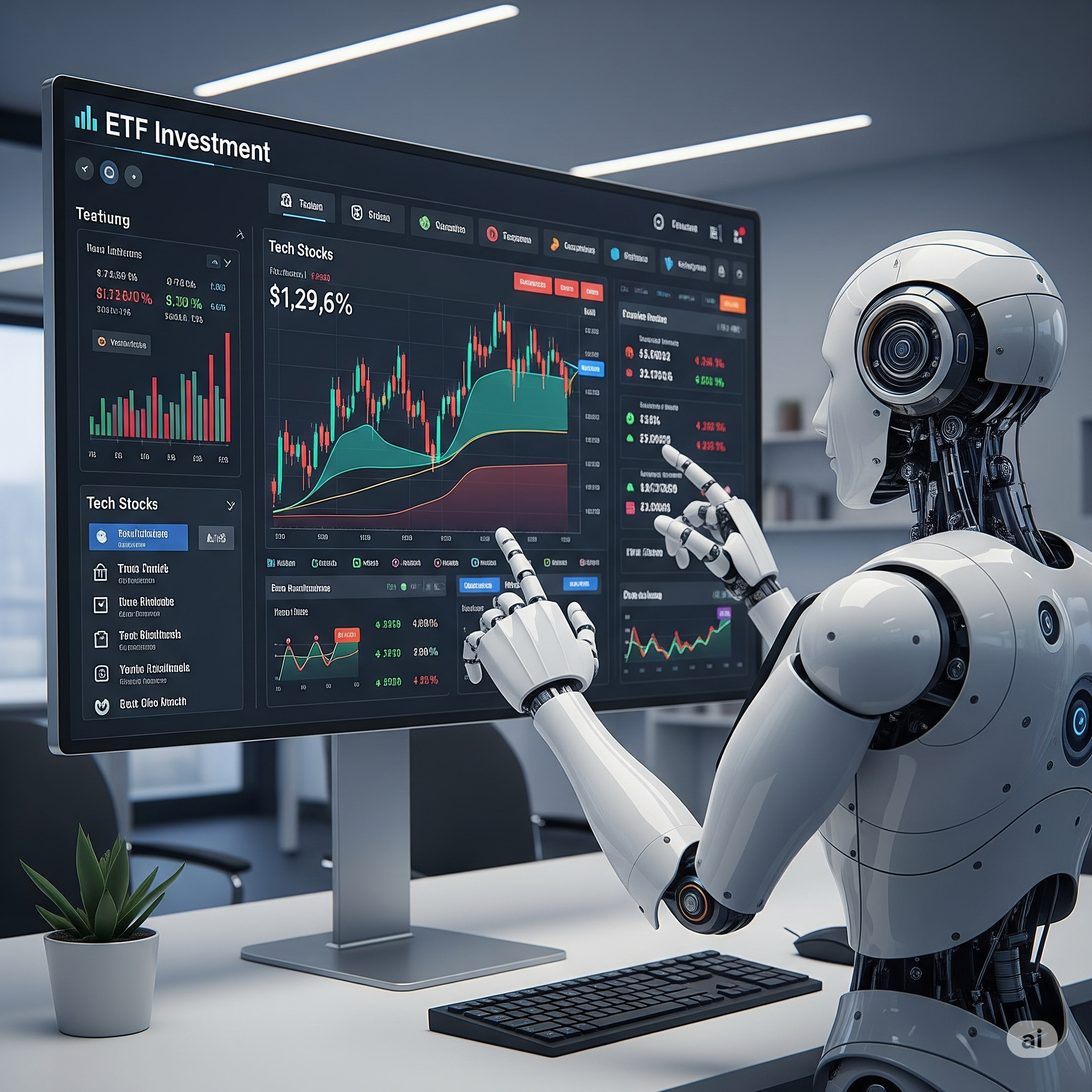
Sci-Fi to Stock Ticker
The world of robotics has long fascinated both futurists and technologists, but now it’s drawing the serious attention of investors. On June 26, 2025, Roundhill Investments introduced the Humanoid Robotics ETF (Ticker: HUMN), the first exchange-traded fund in the U.S. focused exclusively on companies developing humanoid robots. Unlike general robotics funds, HUMN zeroes in on a rapidly emerging class of robots designed to move, think, and act like humans.
This move marks a seismic shift in how Wall Street perceives humanoid robotics: not just as a novelty but as a cornerstone of the next industrial revolution.
What Is the HUMN ETF?
The Humanoid Robotics ETF (HUMN) is designed to give investors exposure to the global development of humanoid robots. These robots combine artificial intelligence, mechanical engineering, computer vision, and real-world learning capabilities to function in dynamic, unstructured environments.
Key sectors targeted by HUMN include:
- Industrial automation
- Elderly and healthcare assistance
- Security and defense
- Retail and hospitality
- Search and rescue operations
Who’s Behind It? Industry Giants
The ETF is backed by a portfolio of companies leading in the design and implementation of humanoid robots. Notable holdings include:
Tesla (TSLA)
Elon Musk’s Tesla Optimus robot has received growing attention for its potential role in factories and homes. As part of Tesla’s broader AI vision, Optimus aims to revolutionize labor markets with autonomous humanoids.
Nvidia (NVDA)
Nvidia is providing the computing muscle behind the next generation of AI-powered robots. Its GPUs are already being used in training humanoid robots for real-time environmental decision-making.
Boston Dynamics
Now owned by Hyundai, Boston Dynamics continues to push boundaries in robot mobility. Its humanoid robot Atlas can navigate rough terrain, carry heavy objects, and perform tasks in warehouses and disaster zones.
Amazon and Google
With ongoing investments in logistics, smart home devices, and AI, these tech giants are entering the humanoid space to integrate smart robots into homes and retail environments.
Why Humanoid Robots Matter
While industrial robots have long dominated assembly lines, humanoid robots are designed for more intuitive, adaptable interactions with human environments. Their ability to climb stairs, open doors, recognize faces, and respond to voice commands makes them ideal for healthcare, home care, and retail applications.
Stats to Consider:
- According to McKinsey, the global humanoid robot market could reach $40 billion by 2030.
- Goldman Sachs predicts a billion humanoid robots could be deployed worldwide by 2050.
Investor Appeal: Why Buy HUMN?
1. Future-Proofing Your Portfolio
Humanoid robots are no longer confined to labs. With the introduction of models like Optimus and increasing investments in AI robotics, early investors could ride a wave similar to past tech booms.
2. Diversified Exposure
Instead of betting on one company, HUMN offers access to a basket of innovators—from chipmakers to robot designers.
3. Ethical Tech with Utility
Humanoid robots also address global challenges like aging populations, labor shortages, and healthcare support—providing value beyond financial returns.
Risks to Watch
Like all investments, the HUMN ETF carries certain risks:
- Tech volatility: Emerging tech stocks are subject to large swings
- Adoption timelines: Full-scale humanoid robot deployment could take longer than expected
- Regulation and ethics: Concerns about job replacement, surveillance, and human-robot interactions may invite scrutiny
Investors should weigh these factors alongside potential rewards.
Global Competition Heats Up
It’s not just U.S. firms in the race. Chinese giants like UBTECH and Baidu are accelerating their humanoid robotics R&D. The HUMN ETF is expecting to include select international players, making it a globally competitive fund.
Governments are also getting involved. Japan and South Korea have dedicated budgets for elder care robotics, while the EU is pushing forward with robot ethics regulations.
The Human Element in Humanoid Robotics
What sets humanoid robotics apart is its potential to mimic human cognition, mobility, and empathy. From nursing assistants to disaster relief responders, these machines aim not to replace humans but to augment human capability.
“Humanoid robots aren’t here to replace us. They’re here to help us do more,” says Dr. Elaine Foster, robotics ethicist at MIT.
Conclusion: The Rise of the Robot Economy
The launch of the HUMN ETF marks more than just another financial instrument—it signals a vote of confidence in a future where humans and humanoid robots coexist, collaborate, and thrive.
As investors and innovators come together to shape this future, the HUMN ETF could be a front-row ticket to one of the most exciting technological revolutions of the century.
Whether you’re a tech enthusiast, investor, or futurist, one thing is clear: the age of humanoid robots is no longer science fiction—it’s stock market reality.





+ There are no comments
Add yours