
Key Highlights
- Engineers’ Day celebrates Sir M. Visvesvaraya’s 164th birth anniversary with theme “Deep Tech & Engineering Excellence: Driving India’s Techade” reflecting technological leadership aspirations
- Krishna Raja Sagar Dam remains engineering marvel built 1911-1931 with innovative automatic gates, serving irrigation and power for Karnataka regions over century later
- ISRO and DRDO showcase modern excellence through cost-effective space missions, Mars Orbiter success, and advanced defense technologies including 30kW laser systems
- Ancient heritage spans 4,500 years from Indus Valley’s sophisticated drainage and urban planning to medieval architectural marvels combining precision with artistry
- Contemporary challenges drive innovation in climate-resilient infrastructure, AI-powered systems, and sustainable development balancing growth with environmental stewardship
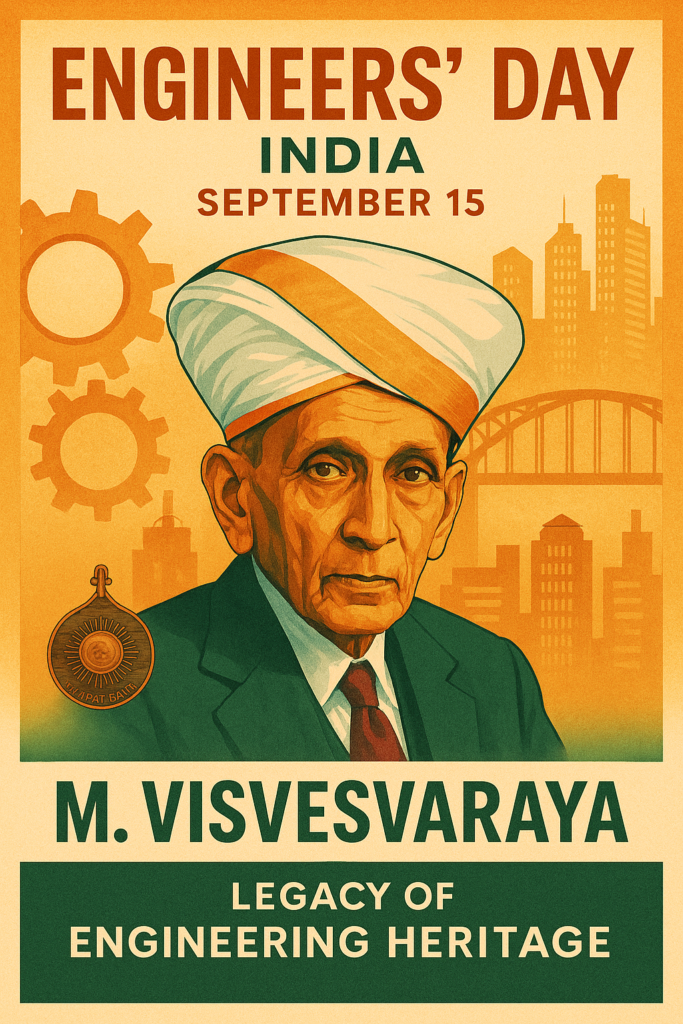
Every September 15th, India pays tribute to its engineering heritage by celebrating Engineers’ Day, commemorating the birth anniversary of Sir Mokshagundam Visvesvaraya (1861-1962), the legendary engineer who earned the title “Father of Modern Mysore” and India’s highest civilian honor, the Bharat Ratna, in 1955. This year’s theme, “Deep Tech & Engineering Excellence: Driving India’s Techade,” reflects the nation’s ambitious journey from the sophisticated drainage systems of the Indus Valley Civilization to becoming a global leader in artificial intelligence, space technology, and sustainable infrastructure. As India stands at the threshold of its technological decade, the engineering community continues to build upon Visvesvaraya’s vision of combining technical excellence with national development, transforming the country into a knowledge-driven economy that balances innovation with sustainability. pib.gov
India’s Ancient Engineering Prowess: Foundations of Excellence
Indus Valley Civilization: The First Urban Planners
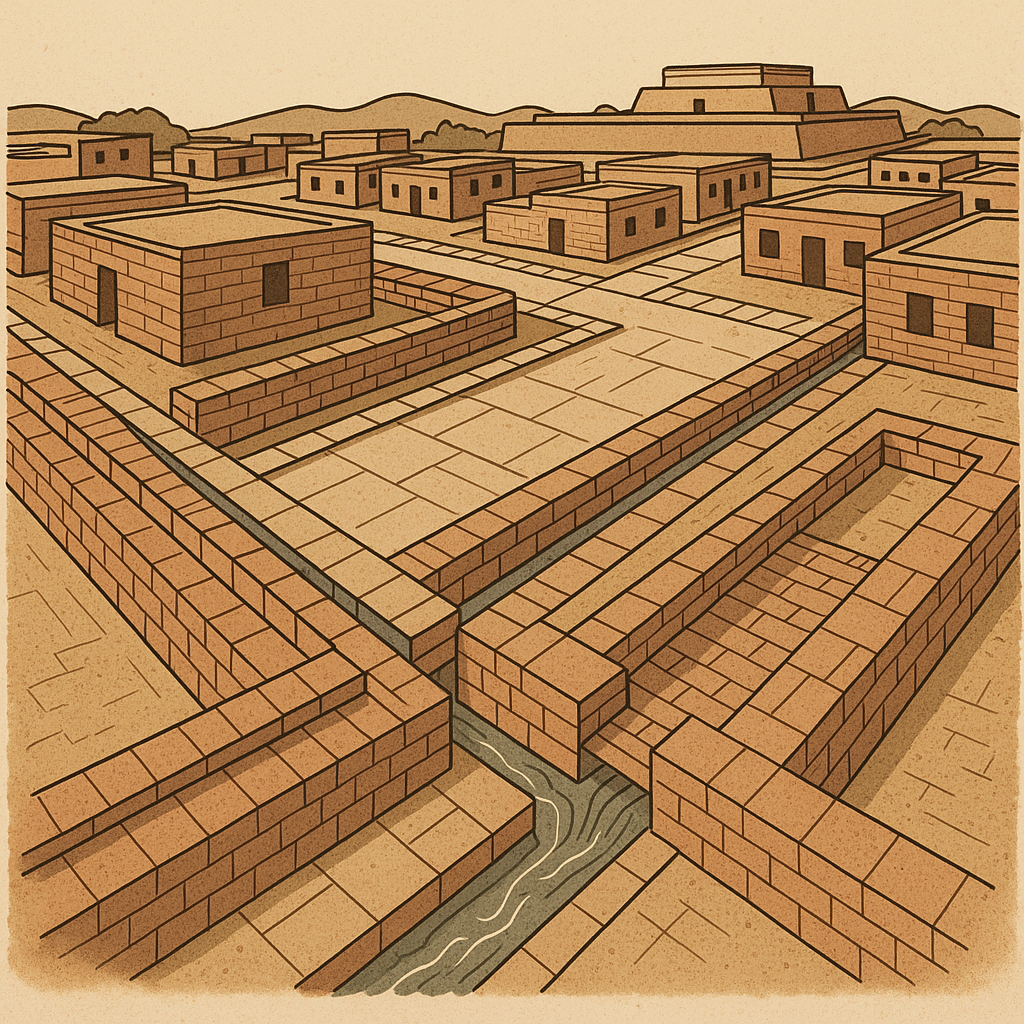
India’s engineering legacy spans over 4,500 years, beginning with the Indus Valley Civilization (2600 BCE), which demonstrated remarkable urban planning expertise that continues to inspire modern city designers. The Harappan cities of Harappa, Mohenjo-daro, and Dholavira featured sophisticated engineering systems that surpassed many contemporary civilizations in their technical sophistication and social organization.
Ancient Engineering Achievements:
- Grid-pattern city planning: Systematic street layouts with 90-degree intersections
- Advanced drainage systems: Covered sewers and individual house connections
- Standardized brick sizes: Uniform construction materials ensuring structural integrity
- Water management: Wells, reservoirs, and public baths demonstrating hydraulic engineering
- Dockyard construction: Lothal’s sophisticated port with tidal locks and warehouse systems
Medieval Engineering Marvels
Subsequent periods witnessed architectural and engineering innovations that combined aesthetic beauty with structural excellence:
Mauryan and Gupta Period Achievements:
- Grand Trunk Road: Strategic highway connecting diverse regions
- Irrigation canals: Sophisticated water distribution systems
- Iron Pillar of Delhi: Corrosion-resistant metallurgy demonstrating advanced materials science
- Ajanta and Ellora caves: Rock-cut architecture showcasing precision engineering
Medieval Period Innovations:
- Qutub Minar: 73-meter minaret demonstrating structural engineering expertise
- Khajuraho temples: Complex stone carving with earthquake-resistant design principles
- Vijayanagara irrigation: Tank systems and aqueducts for agricultural sustainability
- Red Fort and Taj Mahal: Architectural masterpieces combining engineering precision with artistic excellence
Sir M. Visvesvaraya: The Engineering Visionary
Early Life and Education
Born on September 15, 1861, in Muddenahalli village, Karnataka, Mokshagundam Visvesvaraya overcame early hardships after losing his father at age 15 to become India’s most celebrated engineer. His academic excellence at the College of Engineering, Pune, where he topped both LCE and FCE examinations in 1883, set the foundation for a distinguished career that would transform Indian infrastructure and industrial development.
Revolutionary Engineering Contributions
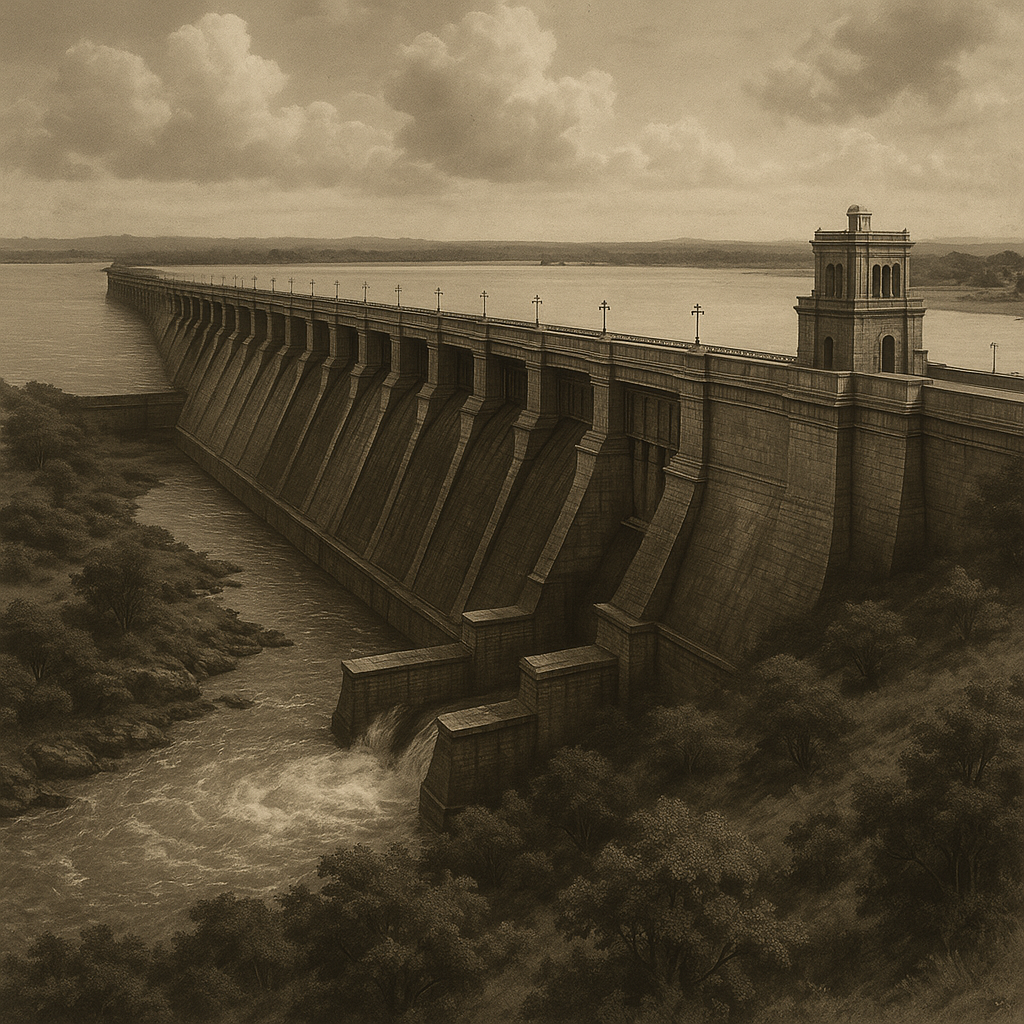
Visvesvaraya’s engineering innovations established him as a pioneer in water management, flood control, and industrial planning, with his work continuing to benefit millions even today.
Major Engineering Projects:
Krishna Raja Sagar Dam (1911-1931):
- Gravity dam: 130 feet high, 8,600 feet long across the Cauvery River
- Innovative features: 177 arch-type iron sluices with automatic gates
- Construction cost: ₹2.5 crore (massive investment for the era)
- Storage capacity: 49.45 TMC serving irrigation and power generation
- Impact: Primary water source for Mysore, Mandya, and Bangalore regions
Automatic Weir Floodgates:
- First installation: Khadakvasla Dam, Pune (1903)
- Innovation: Self-regulating water level control through mechanical systems
- Replication: Successfully implemented at Tigra Dam, Gwalior and KRS Dam
- Technical achievement: Eliminated manual gate operation while preventing overflow damage
Hyderabad Flood Protection System:
- Comprehensive solution: Engineered flood control for Hyderabad city
- Impact: Prevented recurring flood damage affecting thousands of residents
- Recognition: Achieved celebrity status for this innovative urban planning solution
- Legacy: Template for modern urban flood management systems
Administrative and Industrial Leadership
As Diwan of Mysore (1912-1918), Visvesvaraya transformed the state into a model of industrial development and modern governance.
Industrial Establishment:
- Mysore Iron & Steel Works (now Visvesvaraya Iron and Steel Limited) in Bhadravathi
- Sandal Oil Factory: Commercial utilization of natural resources
- Soap Factory and Chrome Tanning Factory: Diverse industrial base
- Bangalore Agricultural University: Educational infrastructure for technical advancement
- Government Engineering College, Bangalore (later Visvesvaraya College of Engineering)
Modern India’s Engineering Renaissance
Post-Independence Infrastructure Development
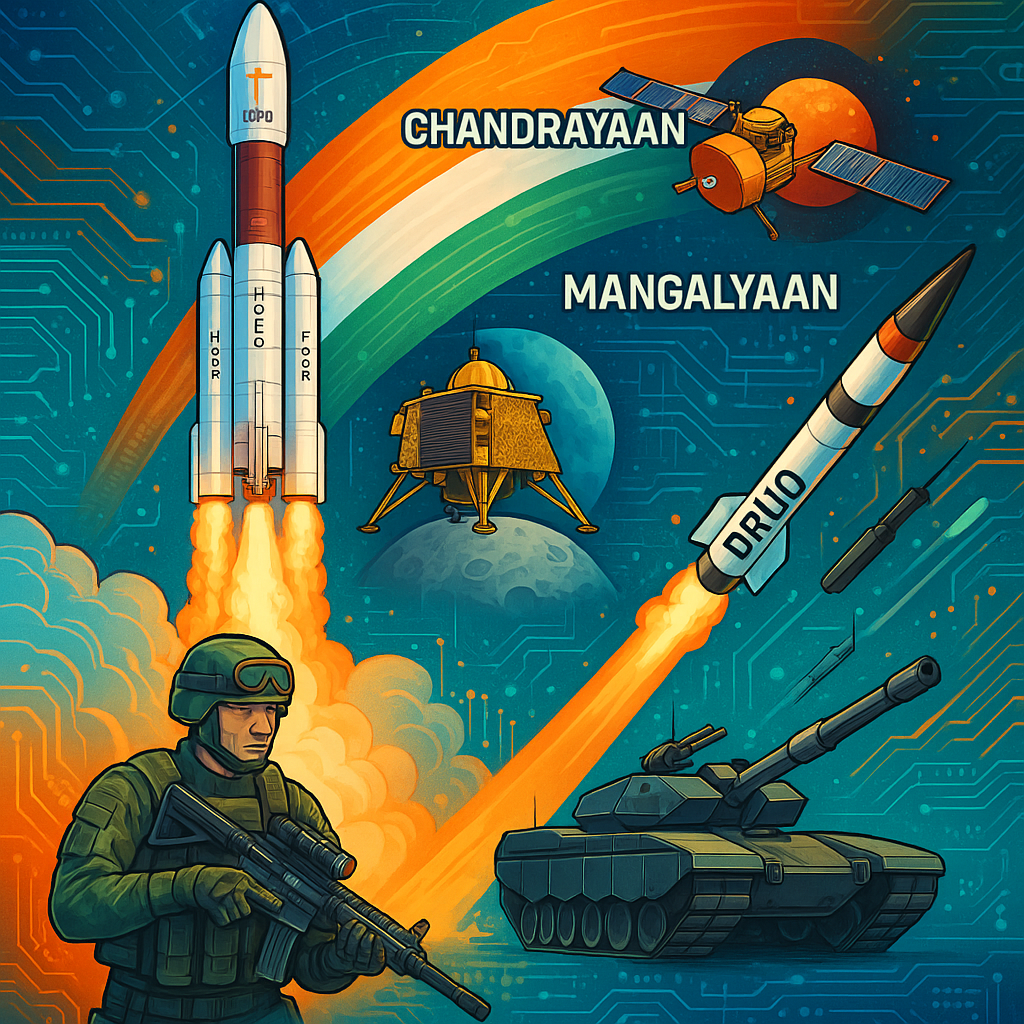
Independent India’s engineering achievements reflect the systematic application of Visvesvaraya’s vision for comprehensive national development through large-scale infrastructure projects.
Landmark Projects:
- Bhakra Nangal Dam: Asia’s second-highest dam transforming Punjab and Haryana agriculture
- Hirakud Dam: Longest earthen dam controlling Mahanadi River floods
- Green Revolution infrastructure: Canal systems and irrigation enabling food self-sufficiency
- Railway electrification: Expanding connectivity across diverse geographical regions
ISRO: Pioneering Space Engineering
Indian Space Research Organisation (ISRO) represents the pinnacle of Indian engineering excellence, demonstrating cost-effective innovation and technical mastery in space technology.
ISRO Achievements:
- Mars Orbiter Mission (Mangalyaan): First successful Mars mission in maiden attempt
- Chandrayaan missions: Lunar exploration establishing India’s space capabilities
- Record satellite launches: 104 satellites in single launch demonstrating precision engineering
- Cost efficiency: World’s most economical space missions through innovative engineering solutions
- Commercial success: Global satellite launch services generating international revenue
DRDO: Advanced Defense Technologies
Defence Research and Development Organisation (DRDO) showcases indigenous engineering capabilities in cutting-edge military technologies.
DRDO Innovations:
- Directed Energy Weapons: 30 kW laser systems for anti-drone warfare with 4-5 km range
- Missile Technology: Agni, Prithvi, and BrahMos missile systems with advanced guidance
- Radar Systems: Multi-function phased array radars and 3D surveillance systems
- Aerospace Projects: HAL Tejas programme and fifth-generation AMCA aircraft
- Electronic Warfare: Sophisticated countermeasure systems and communication networks
Contemporary Engineering Challenges and Opportunities
21st Century Infrastructure Transformation
Modern Indian engineering addresses complex challenges through integrated approaches combining traditional expertise with emerging technologies.
Infrastructure Megaprojects:
- Bharatmala Pariyojana: 65,000 km highway development improving national connectivity
- Sagarmala Programme: Port modernization and coastal development
- PM Gati Shakti: Multimodal connectivity infrastructure for logistics optimization
- Smart Cities Mission: Technology integration in urban planning and service delivery
- Metro networks: Expanding urban transit systems in major metropolitan areas
Climate Change and Sustainable Engineering
Environmental challenges require innovative engineering solutions that balance development needs with ecological sustainability:
Green Technology Integration:
- Renewable energy grids: Solar and wind power infrastructure development
- Energy-efficient buildings: Green construction standards and sustainable materials
- Water conservation: Rainwater harvesting and wastewater treatment systems
- Carbon capture: Industrial processes reducing greenhouse gas emissions
- Sustainable transport: Electric vehicle infrastructure and public transit expansion
AI and Digital Transformation in Engineering
Industry 4.0 and Automation
Artificial Intelligence and machine learning are revolutionizing Indian engineering across multiple sectors:
AI Applications:
- Predictive maintenance: Industrial equipment optimization through data analytics
- Smart manufacturing: Automated production systems with quality control
- Infrastructure monitoring: Real-time assessment of bridges, dams, and buildings
- Traffic management: Intelligent transportation systems for urban mobility
- Energy optimization: Smart grid technologies for efficient power distribution
Healthcare Engineering Revolution
Biomedical engineering advances are transforming healthcare delivery across India:
Medical Technology Innovation:
- Telemedicine platforms: Remote healthcare for rural populations
- Medical devices: Indigenous development of diagnostic equipment
- Surgical robotics: Precision medical procedures through technological assistance
- Digital health records: Integrated systems for patient care management
- Pharmaceutical engineering: Drug development and manufacturing optimization
Policy Framework for Engineering Excellence
National Education Policy (NEP) 2020
NEP 2020 emphasizes multidisciplinary technical education preparing engineers for 21st-century challenges:
Educational Reforms:
- Holistic curriculum: Integration of liberal arts with technical subjects
- Research emphasis: Innovation and critical thinking development
- Industry collaboration: Practical experience through internships and projects
- Skill development: Emerging technologies and entrepreneurship training
- Global standards: International collaboration and quality benchmarks
Startup India and Innovation Ecosystem
Government initiatives foster engineering entrepreneurship and technological innovation:
Support Mechanisms:
- Atal Innovation Mission: Research and development funding for emerging technologies
- Startup India: Business incubation and regulatory support for technology ventures
- Skill India: Technical training programs for industry-relevant skills
- Make in India: Manufacturing promotion through engineering excellence
- Digital India: Technology infrastructure development for nationwide connectivity
Future Roadmap: Engineering India’s Tomorrow
Indigenous R&D and Self-Reliance
Reducing technological dependence requires sustained investment in indigenous research and development capabilities:
Strategic Priorities:
- Advanced materials: Nanotechnology and smart materials for next-generation applications
- Quantum computing: Research initiatives for computational breakthroughs
- Biotechnology: Genetic engineering and synthetic biology applications
- Renewable energy: Advanced storage and distribution technologies
- Space technology: Deep space exploration and commercial space services
Public-Private Partnerships
Collaborative approaches leverage government resources with private sector innovation:
Partnership Models:
- Infrastructure development: Hybrid funding for large-scale projects
- Technology transfer: Academic-industry collaboration for commercial applications
- Skill development: Corporate training programs aligned with industry needs
- Research funding: Joint investment in cutting-edge technologies
- International cooperation: Global partnerships for knowledge exchange
Ethical Engineering and Social Responsibility
Modern engineers must balance technical excellence with social and environmental responsibility:
Ethical Considerations:
- Sustainable development: Environmental impact assessment for all major projects
- Social inclusion: Technology accessibility for diverse populations
- Data privacy: Cybersecurity and information protection in digital systems
- Safety standards: Risk assessment and public safety prioritization
- Cultural sensitivity: Respecting local traditions in development projects
Continuing Visvesvaraya’s Vision in the Digital Age
As India celebrates its engineering heritage on Engineers’ Day 2025, the legacy of Sir M. Visvesvaraya continues to inspire contemporary practitioners who face challenges that the legendary engineer could hardly have imagined. From climate change and artificial intelligence to space exploration and quantum computing, today’s engineers build upon the foundation of technical excellence, systematic planning, and national service that Visvesvaraya established over a century ago.
The transformation from the sophisticated urban planning of the Indus Valley Civilization to the AI-powered smart cities of modern India demonstrates the continuity of Indian engineering innovation. ISRO’s cost-effective space missions, DRDO’s advanced defense systems, and the massive infrastructure projects transforming the nation reflect the systematic application of engineering principles to national development challenges.
Success in India’s Techade will require engineers to embrace Visvesvaraya’s holistic approach – combining technical mastery with economic planning, social responsibility, and environmental stewardship. The integration of artificial intelligence, renewable energy, and sustainable technologies into engineering curricula ensures that future generations are prepared for challenges that demand both technical innovation and ethical leadership.
The vision of an AI-powered nation built on sustainable principles requires engineers who understand that true excellence lies not just in technical achievement but in creating solutions that improve lives, protect the environment, and strengthen the nation. As India advances toward its 2047 development goals, the engineering community carries forward Visvesvaraya’s legacy of transforming dreams into reality through disciplined effort, innovative thinking, and unwavering commitment to national progress.
Mains Practice Qs
- GS-1 (15 marks): Discuss how India’s ancient engineering traditions influenced its modern infrastructure development.
- GS-3 (15 marks): “Engineers are crucial in bridging sustainability and technology.” Discuss with reference to India’s renewable energy transition.
- Essay (250 words): “From Visvesvaraya to AI – Engineers as the architects of India’s future.”






+ There are no comments
Add yours