
In 2026, enterprise blockchain has stopped trying to replace every corporate database and instead serves as a shared cryptographic trust layer across organizations that do not share a single central IT system (Indium, Blocsys).
Where Enterprise Adoption Is Delivering Measurable ROI
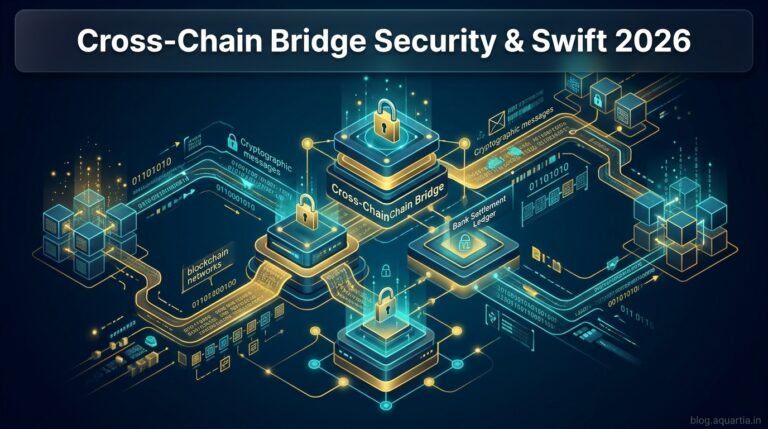
- Interbank Settlement: Permissioned networks such as JPMorgan’s Onyx process billions in daily interbank transfers, while SWIFT’s shared-ledger pilots connect legacy payment rails to DLT (Blocsys).
- Trade Finance: Letters of credit that traditionally required 7 to 10 days of paper reconciliation now clear in hours on live platforms operated by banks such as HSBC and Standard Chartered (Blocsys).
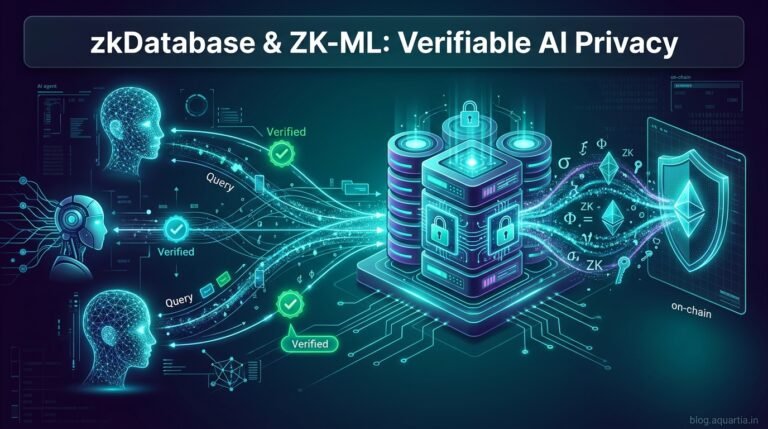
- Hybrid Modular Chains: Enterprises combine private data-availability layers with public settlement verification and ZK proofs so competitors can verify supply-chain provenance without leaking pricing (Indium).
Frequently Asked Questions
Why do enterprises prefer hybrid blockchains over purely public or private chains?
Hybrid modular architectures keep sensitive business data confidential off-chain while anchoring verifiable proofs on shared ledgers (Indium).




+ There are no comments
Add yours