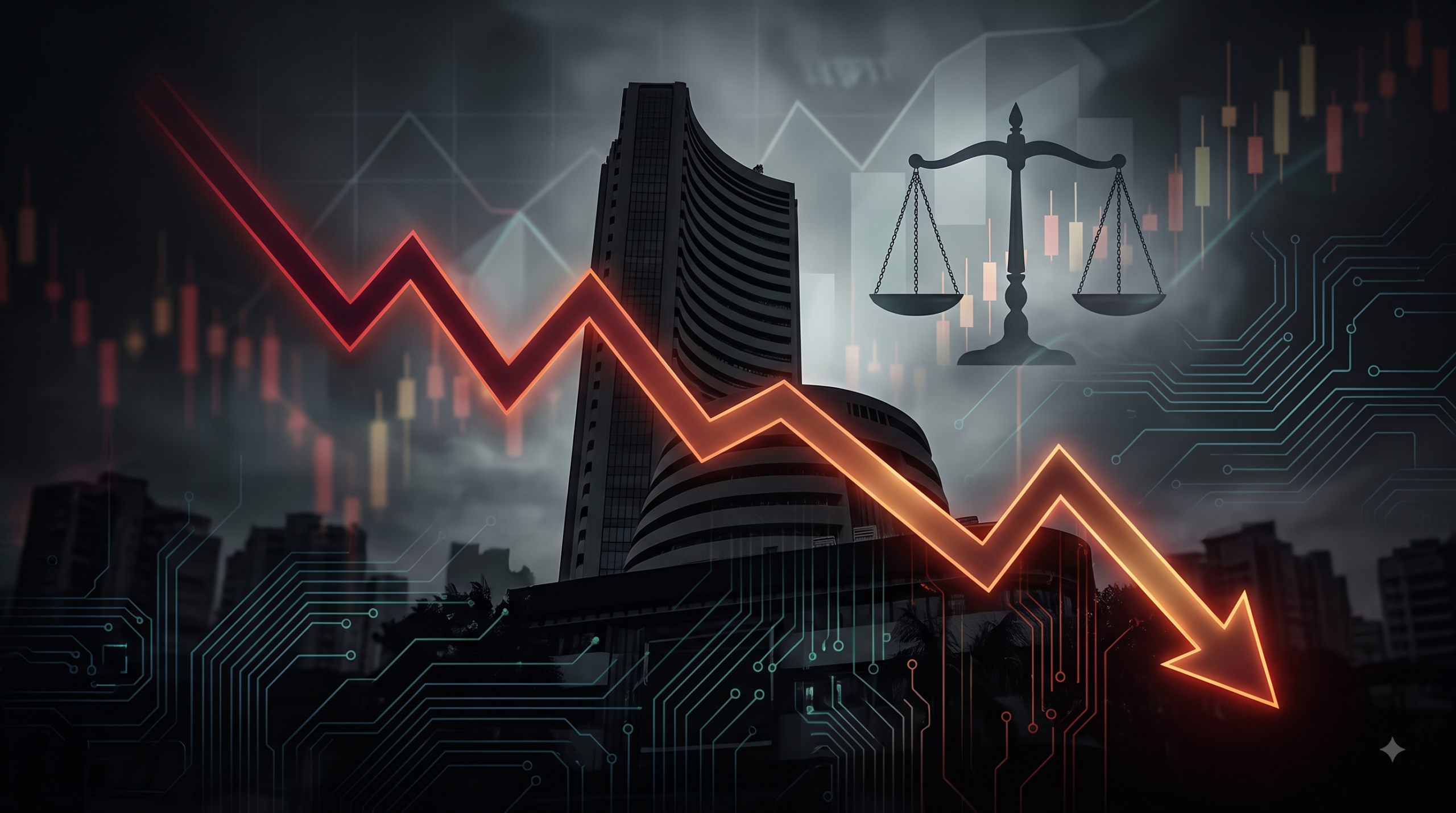
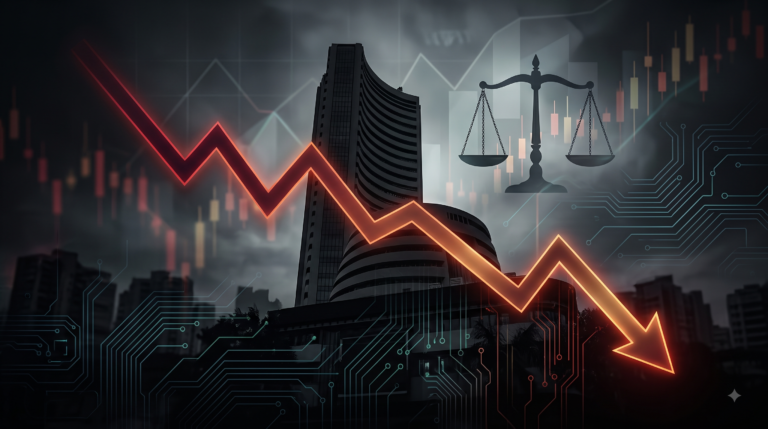
The N Chandrasekaran resignation as Chairman of Tata Sons marks a major turning point for the $160+ billion conglomerate. He confirmed he will complete his second term through February 20, 2027, but will not seek re-appointment. Following the news, TCS and other Tata Group stocks fell up to 6% in a single trading session as investors reacted to the unexpected boardroom transition.
Executive Summary & Quick Overview
- The News: Natarajan Chandrasekaran has tendered his resignation as Chairman of Tata Sons, opting not to seek re-appointment when his second term concludes on February 20, 2027. He will remain in office until the completion of his current term.
- Immediate Market Impact: Tata Group listed entities experienced a sharp sell-off. TCS plummeted up to 5.7% intraday, erasing over ₹32,000 crore to ₹41,000 crore in market capitalization. Overall Tata Group market cap shrank by over ₹45,000 crore in a single trading session.
- Core Catalyst: Internal friction between Tata Sons and Tata Trusts (holding ~66% equity), specifically involving Tata Trusts Chairman Noel Tata. A resolution for a 5-year extension failed to achieve unanimous board approval on February 24, 2026, prompting Chandrasekaran to step down.
- Strategic Implications: Creates immediate governance and strategic uncertainty across high-capital new bets, including semiconductors, battery gigafactories, electronics manufacturing, Air India integration, and Tata Neu digital ecosystems.
Market Reactions to the N Chandrasekaran Resignation
Table 1: Market Impact Across Key Tata Group Stocks Following Resignation Announcement
| Company Name | Stock Ticker | Intraday Drop (%) | Closing/Low Price (₹) | Key Business Segment Impacted | Market Cap Value Erased (₹ Cr) |
| Tata Consultancy Services (TCS) | TCS | -4.0% to -5.7% | ₹2,301.10 | IT Services & Global Tech | ~₹32,743 Cr – ₹41,000 Cr |
| Tata Motors Passenger Vehicles | TMPV | -1.9% to -4.1% | — | Automotive & EV Transition | Significant Drag |
| Tata Consumer Products | TATACONSUM | -2.4% to -2.85% | ₹1,062.00 | FMCG & Consumer Packaged Goods | Sub-₹1,05,140 Cr total |
| Tata Power Company | TATAPOWER | -0.5% to -1.4% | ₹375.40 | Renewable Energy & Utilities | Moderate Correction |
| Titan Company | TITAN | -0.18% to -2.0% | ₹5,002.00 | Retail, Jewelry & Consumer | Sub-₹4,44,693 Cr total |
| Tata Elxsi | TATAELXSI | -2.14% to -2.23% | — | Design, ER&D Services | Minor Correction |
| Tata Steel | TATASTEEL | -1.57% to -1.96% | — | Global Metals & Mining | Commodity Drag |
| Group Total Market Cap | — | Up to -4.0% to -6.0% | — | All Listed Entities | ~₹45,615 Crore Wipeout |
Table 2: The Transformation Under N. Chandrasekaran (FY20 vs. FY26)
| Financial & Operational Metric | FY20 Baseline | FY26 Achievement | Growth Multiplier / Shift |
| Aggregate Group Revenue | ₹7.89 Lakh Crore | ₹16.24 Lakh Crore | +105.8% (More than doubled) |
| Profit After Tax (PAT) | ₹32,000 Crore | ₹1.71 Lakh Crore | >5x Increase (534% Growth) |
| Group Market Capitalization | ₹9.31 Lakh Crore | ₹24.39 Lakh Crore (Peak: ₹27.85L Cr in FY25) | +162% Expansion |
| Key Strategic Additions | Legacy Businesses (Steel, IT, Auto, Power) | Semiconductor Assembly, Air India, Tata Neu, EV Gigafactories, Electronics | Modern Capital-Intensive Frontier Sectors |
1. The Event: N. Chandrasekaran Resigns Ahead of Tata Sons AGM
In a development that sent shockwaves across Dalal Street and international financial hubs, Natarajan Chandrasekaran announced his resignation as Chairman of Tata Sons, the holding company of the $160+ billion salt-to-software Tata Group. Chandrasekaran, aged 63, informed the board of Tata Sons that he will complete his current tenure through February 20, 2027, but will not offer himself for re-appointment or seek a third term.
The announcement comes directly ahead of the conglomerate’s highly anticipated Annual General Body Meeting (AGM) scheduled for August 18. The news triggered an immediate sell-off across almost all listed Tata Group companies.
Chandrasekaran’s exit marks the end of a pivotal decade. Taking over in 2017 after serving as Chief Executive Officer and Managing Director of Tata Consultancy Services (TCS), Chandrasekaran was the first non-family, non-Parsi professional manager to head the holding company. His appointment followed the tumultuous exit of Cyrus Mistry in late 2016, and Chandrasekaran was widely credited with restoring organizational stability, simplifying complex cross-holdings, enforcing capital discipline, and pivoting the traditional group toward high-tech, future-ready industries.
┌────────────────────────────────────────────────────────────────────────┐
│               TATA SONS LEADERSHIP TIMELINE & EVENTS                   │
├────────────────────────────────────────────────────────────────────────┤
│ 2017        │ N. Chandrasekaran appointed 7th Chairman of Tata Sons    │
│             │ (First non-Parsi, professional executive chief)          │
├─────────────┼──────────────────────────────────────────────────────────┤
│ 2017–2022   │ Term 1: Debt simplification, acquisition of Air India,   │
│             │ EV push at Tata Motors, launch of Tata Neu super-app.    │
├─────────────┼──────────────────────────────────────────────────────────┤
│ Feb 2022    │ Unanimously re-appointed for a 2nd 5-year term           │
│             │ (Tenure set to run through February 20, 2027).           │
├─────────────┼──────────────────────────────────────────────────────────┤
│ Feb 2026    │ Re-appointment resolution for 3rd term deferred due      │
│             │ to lack of unanimous board consensus (Noel Tata dissent).│
├─────────────┼──────────────────────────────────────────────────────────┤
│ Aug 12, 2026│ Chandrasekaran submits resignation; declines 3rd term.   │
│             │ Confirms he will serve until Feb 20, 2027.               │
└─────────────┴──────────────────────────────────────────────────────────┘
2. Market Impact: TCS Leads Sell-off as Over ₹45,000 Crore Wiped Out
Institutional and retail investors reacted swiftly to the prospect of a leadership vacuum at Bombay House. Markets view Chandrasekaran as the primary architect behind the group’s earnings expansion and modern capital allocation.
Deep Dive into Stock Performance
Tata Consultancy Services (TCS)
As the cash cow and most valuable listed entity within the conglomerate, TCS bore the brunt of the market anxiety. TCS shares sank as much as 5.7% to a low of ₹2,301.10 on the BSE before settling around 3.7% to 4.1% lower. The single-day contraction erased between ₹32,743 crore and ₹41,000 crore from TCS’s market valuation. Analysts noted that Chandrasekaran’s deep background with TCS—having built it into a global IT titan—created additional nervousness over leadership continuity at both Tata Sons and TCS.
Tata Motors Passenger Vehicles (TMPV)
Shares dropped between 1.92% and 4.11% intraday. Under Chandra’s direction, Tata Motors turned around its domestic passenger vehicle business, spearheaded India’s electric vehicle revolution (capturing over 70% EV market share), and restructured Jaguar Land Rover (JLR). Investors fear that execution momentum on battery gigafactories and EV platforms could slow without his direct oversight.
Titan Company
Titan slipped 1.66% to 2.0% lower to touch a low of ₹5,002. Although Titan remains structurally sound with dominant retail metrics, overall sentiment dragged consumer discretionaries down.
Tata Consumer Products & Tata Power
Tata Consumer dropped up to 2.85%, falling to ₹1,062, while Tata Power slid 1.2% to 1.4% to trade near ₹375.40. Both companies represent key pillars of Chandra’s consolidation strategy—combining FMCG brands under Tata Consumer and transitioning Tata Power from coal dependency to green energy platforms.
Broader Group Entities
Slumps were recorded across the board:
- Tata Elxsi: Down 2.14% to 2.23%
- Tata Communications: Down 0.37% to 2.0%
- Tata Steel: Down 1.57% to 1.96%
- Indian Hotels Company (IHCL): Down 0.52% to 1.32%
- Trent Ltd: Down 0.86% to 0.89%
In total, the market capitalisation of Tata listed companies contracted by ₹45,615.67 crore in one session, dragging down the benchmark BSE Sensex by over 600 points during peak intraday selling.
3. Why the N Chandrasekaran Resignation Happened: Boardroom Dynamics
To understand why N. Chandrasekaran stepped down six months ahead of his term expiry, one must examine the corporate governance matrix governing Bombay House.
                       ┌──────────────────────────────────────────┐
                       │               TATA TRUSTS                │
                       │   (Holds ~66% Equity in Tata Sons)       │
                       │   Chairman: Noel Tata                    │
                       └────────────────────┬─────────────────────┘
                                            │
                           Veto Power & Primary Stakeholder
                                            │
                                            ▼
                       ┌──────────────────────────────────────────┐
                       │                TATA SONS                 │
                       │     (Holding Company of Tata Group)      │
                       │   Outgoing Chairman: N. Chandrasekaran   │
                       └────────────────────┬─────────────────────┘
                                            │
                     Direct Ownership, Control & Capital Allocations
                                            │
         ┌──────────────────────────────────┼──────────────────────────────────┐
         │                                  │                                  │
         ▼                                  ▼                                  ▼
┌──────────────────┐               ┌──────────────────┐               ┌──────────────────┐
│  Cash Engines    │               │ Legacy Core      │               │ Frontier Bets    │
│  • TCS           │               │ • Tata Steel     │               │ • Semiconductor  │
│  • Titan         │               │ • Tata Motors    │               │ • Air India      │
│  • IHCL          │               │ • Tata Power     │               │ • Tata Neu (App) │
└──────────────────┘               └──────────────────┘               └──────────────────┘
The Conflict Points Explained
1. The Role of Tata Trusts
Tata Trusts—principally the Sir Dorabji Tata Trust and the Sir Ratan Tata Trust—holds approximately 66% of the equity capital of Tata Sons. Following the death of long-serving group patriarch Ratan Tata in late 2024, Noel Tata assumed leadership of Tata Trusts. This shift altered the dynamic between the principal shareholder (Trusts) and the executive management (Tata Sons Board).
2. The February 24 Board Resolution Failure
In early 2026, both the Sir Dorabji Tata Trust and Sir Ratan Tata Trust had initially recommended a five-year extension for Chandrasekaran’s term beyond February 2027. This recommendation was endorsed by the Tata Sons Nomination and Remuneration Committee (NRC).
However, when the resolution was formally tabled at the Tata Sons board meeting on February 24, 2026, it failed to pass seamlessly. Noel Tata raised reservations regarding the performance, capital burn rate, and long-term gestation periods of several new business initiatives launched under Chandrasekaran.
3. Unanimous Consensus Requirement & Executive Term Limits
Reports indicate Noel Tata advocated for a shorter, two-year extension—aligning with the group’s executive retirement age policy of 65—rather than a full five-year term. In his formal resignation letter, Chandrasekaran stated that in the “absence of unanimous support” from the board, he felt it was in the best interest of the group to step aside rather than oversee a divided boardroom.
4. Underlying Friction Points
Beyond term length, several fundamental policy differences contributed to the rift:
- Capital Allocation to New Businesses: High capital commitments toward semiconductor fabrication facilities (Dholera, Gujarat), battery gigafactories (UK and India), and the digital super-app Tata Neu drew scrutiny over ROI timelines.
- Listing of Tata Sons: Debates surrounding whether Tata Sons should go public to comply with the Reserve Bank of India’s (RBI) Upper Layer Core Investment Company (CIC) regulations, or restructure its debt to avoid mandatory listing.
- Relationship with Shapoorji Pallonji (SP) Group: Differing viewpoints on how to resolve long-standing issues with the SP Group, which holds an 18.37% stake in Tata Sons.
4. The Chandra Legacy: A Decade of Aggressive Transformation
N. Chandrasekaran’s tenure will be remembered as one of the most transformative eras in modern Indian corporate history. Taking charge during a period of reputation risk and organizational friction, he instituted a strategic framework built around “3Ss”: Simplification, Synergy, and Scale.
1. Financial Performance
Under his leadership, the group demonstrated strong financial performance:
- Revenue Expansion: Aggregate revenue grew from ₹7.89 lakh crore in FY20 to ₹16.24 lakh crore in FY26, more than doubling the group’s top-line footprint.
- Profitability: Net profit after tax (PAT) rose over fivefold, jumping from ₹32,000 crore to ₹1.71 lakh crore.
- Market Valuation: Group market capitalisation rose from ₹9.31 lakh crore in FY20 to a peak of ₹27.85 lakh crore in FY25 before stabilizing at ₹24.39 lakh crore in FY26.
2. Strategic Portfolio Restructuring
- Aviation: Spearheaded the historic re-acquisition of Air India in 2022, consolidating four airline entities (Air India, Vistara, AIX Connect, and Air India Express) into a unified aviation powerhouse.
- Semiconductors & Electronics: Positioned Tata as a key player in global tech supply chains by building a $11 billion semiconductor fab in Dholera, Gujarat, alongside OSAT facilities in Assam and iPhone assembly plants in Tamil Nadu.
- E-Mobility & Clean Energy: Oversaw Tata Motors’ dominance in the Indian EV space and launched Agratas—the group’s global battery company—to build gigafactories in the UK and Gujarat.
- Consolidation & Simplification: Folded disparate consumer offerings into Tata Consumer Products, unified renewable power assets under Tata Power Renewable Energy, and exited non-core, unprofitable telecom enterprise operations.
5. Strategic Vulnerabilities: What the Leadership Void Means for Frontier Bets
The announcement of Chandrasekaran’s departure comes at a delicate juncture, as many of his flagship initiatives remain in high-capital deployment phases.
┌────────────────────────────────────────────────────────────────────────┐
│                   CAPITAL-INTENSIVE NEW BETS AT RISK                   │
├────────────────────────────────────────────────────────────────────────┤
│ 1. SEMICONDUCTOR FAB (DHOLERA & ASSAM)                                 │
│    • Total Outlay: ~$14+ Billion                                       │
│    • Risk: High execution dependencies; requires stable policy support.│
├────────────────────────────────────────────────────────────────────────┤
│ 2. AGRATAS BATTERY GIGAFACTORIES (UK & GUJARAT)                        │
│    • Total Outlay: ~$5+ Billion                                        │
│    • Risk: Scaling production lines to meet global EV supply contracts.│
├────────────────────────────────────────────────────────────────────────┤
│ 3. AIR INDIA FLEET TRANSFORMATION & MERGER                             │
│    • Total Outlay: ~$70 Billion (Multi-year aircraft orders)           │
│    • Risk: Operational integration, culture merging, profitability.    │
├────────────────────────────────────────────────────────────────────────┤
│ 4. TATA NEU DIGITAL ECOSYSTEM                                          │
│    • Total Outlay: Significant ongoing software/CAC burn               │
│    • Risk: Monetization hurdles and competing with Amazon/Blinkit.     │
└────────────────────────────────────────────────────────────────────────┘
Impact of the N Chandrasekaran Resignation on Semiconductor and EV Bets
1. Semiconductor Manufacturing & Electronics
The group’s ambitious $14+ billion foray into semiconductor fabrication and testing represents India’s marquee hardware initiative. These long-gestation projects require sustained capital commitments and diplomatic alignment with international technology partners. Any shifts in capital allocation strategy from Tata Sons could create project delays.
2. Air India Integration & Aviation turnaround
Consolidating four airlines while modernizing aging fleets with over 470 new aircraft orders demands hands-on leadership. Chandrasekaran personally chaired Air India, navigating complex labor integrations, international route approvals, and service upgrades. Finding a successor capable of managing both traditional holding tasks and airline restructurings presents a challenge.
3. EV Ecosystem & Battery Gigafactories (Agratas)
Tata Motors’ leadership in electric mobility relies heavily on vertical integration through Agratas. With gigafactory investments in the UK and India requiring billions in upfront deployment, a leadership change could lead to stricter payback demands from the board.
6. Succession Scenarios Following the N Chandrasekaran Resignation
With Chandrasekaran agreeing to remain until February 20, 2027, Tata Sons has a six-month window to execute a structured succession process. However, the immediate focal point remains the August 18 Annual General Meeting.
┌────────────────────────────────────────────────────────────────────────┐
│               POTENTIAL SUCCESSION CANDIDATES & ROUTES                 │
├────────────────────────────────────────────────────────────────────────┤
│ OPTION A: INTERNAL VETERAN / TATA GROUP CEO                            │
│ • Candidates: Top-performing CEOs of tier-1 operating companies        │
│   (e.g., Rajesh Gopinathan, K. Krithivasan, TV Narendran,Praveer Sinha)│
│ • Pros: Instant operational familiarity, low transition friction.      │
├────────────────────────────────────────────────────────────────────────┤
│ OPTION B: GLOBAL EXTERNAL PROFESSIONAL                                 │
│ • Candidates: High-profile international corporate leaders.            │
│ • Pros: Unbiased capital allocation, global credibility.               │
│ • Cons: Steeps learning curve regarding Tata Trusts relations.         │
├────────────────────────────────────────────────────────────────────────┤
│ OPTION C: INTERIM LEADER / TRUSTEE ALIGNED EXECUTIVES                  │
│ • Candidates: Senior non-executive board members closely linked to     │
│   Tata Trusts leadership.                                              │
│ • Pros: Immediate consensus between Trusts and Sons board.             │
└────────────────────────────────────────────────────────────────────────┘
Key Questions for the August 18 AGM
- Board Composition and Governance Alignment: Will Tata Trusts seek to alter the composition of the Tata Sons board to secure a broader consensus for the next leader?
- Interim Execution Protocols: Will the board institute an executive committee or co-chief operating model to support Chandrasekaran during his final six months?
- Clarification on Tata Sons Public Listing: Investors expect a definitive roadmap regarding whether Tata Sons will seek listing exemption or move toward an IPO.
7. Investor Playbook: Strategic Guidance for Managing Tata Group Volatility
For institutional and retail market participants, the abrupt drop across Tata Group stocks presents both tactical risks and long-term valuation opportunities.
┌────────────────────────────────────────────────────────────────────────┐
│               INVESTOR PLAYBOOK: ACTIONABLE STRATEGIES                 │
├────────────────────────────────────────────────────────────────────────┤
│ 1. SEPARATE CORE CASH FLOWS FROM HOLDING-LEVEL NOISE                   │
│    • Companies like TCS, Titan, and IHCL possess strong individual     │
│      balance sheets and independent cash flows that remain resilient.  │
├────────────────────────────────────────────────────────────────────────┤
│ 2. MONITOR CAPITAL INTENSITY IN GROWTH STOCKS                          │
│    • Keep a close eye on Tata Motors, Tata Power, and Tata Steel,      │
│      which rely on steady capital commitments from the holding co.     │
├────────────────────────────────────────────────────────────────────────┤
│ 3. AVOID PANIC SELLING DURING LEADERSHIP HEADLINES                     │
│    • Historical precedents (such as the 2016 Mistry transition) show   │
│      that high-quality operating companies recover as governance       │
│      frameworks stabilize.                                             │
└────────────────────────────────────────────────────────────────────────┘
1. For Short-Term & Intraday Traders
Expect elevated volatility across TCS, Tata Motors, and Tata Consumer leading up to and immediately following the August 18 AGM. Position sizing should reflect potential headline risk as details regarding board votes emerge.
2. For Long-Term Fundamental Investors
Focus on the intrinsic operational metrics of individual operating companies:
- TCS: Trading at attractive historical valuation multiples following the 5.7% dip. TCS’s global IT services delivery pipeline, cash generation, and dividend yields remain intact despite holding-level leadership changes.
- Titan & Consumer: Driven largely by domestic consumption trends, these retail businesses face limited structural risk from holding company shifts.
- Tata Motors & Tata Power: Monitor upcoming quarterly capex disclosures to ensure capital deployment for EV platforms and green power projects remains on track.
8. Frequently Asked Questions (FAQs) – AEO & GEO Optimized
Q1: Why did N. Chandrasekaran resign as Tata Sons Chairman?
Answer: N. Chandrasekaran resigned after a resolution recommending a five-year extension of his term (beyond February 20, 2027) failed to achieve unanimous support during a Tata Sons board meeting on February 24, 2026. Tata Trusts Chairman Noel Tata raised reservations regarding the performance and capital burn of new businesses. Citing the absence of unanimous consensus, Chandrasekaran chose to step down at the end of his current term.
Q2: Is N. Chandrasekaran leaving Tata Sons immediately?
Answer: No. Chandrasekaran will complete his full second term, remaining in office as Chairman until February 20, 2027. This six-month transition period is intended to allow for an orderly leadership hand-off.
Q3: Which Tata Group stock was worst affected by the resignation news?
Answer: Tata Consultancy Services (TCS) took the hardest hit, falling up to 5.7% in intraday trade and erasing over ₹32,000 crore to ₹41,000 crore in market capitalisation. Other major decliners included Tata Motors (-4.1%), Tata Consumer (-2.85%), and Titan (-2.0%).
Q4: How much total market capitalization did the Tata Group lose in a single day?
Answer: The combined market capitalisation of listed Tata Group entities dropped by approximately ₹45,615.67 crore in a single trading session following the resignation announcement.
Q5: What is the role of Tata Trusts in Tata Sons?
Answer: Tata Trusts (principally the Sir Dorabji Tata Trust and Sir Ratan Tata Trust) holds approximately 66% of the equity capital of Tata Sons, making it the majority stakeholder with controlling voting influence over major board decisions and leadership appointments.
Q6: What happens at the upcoming August 18 Tata Sons AGM?
Answer: The August 18 Annual General Body Meeting (AGM) will address the holding company’s operational performance, deliberate on succession planning, and formalize governance steps following Chandrasekaran’s decision not to seek re-appointment.
Reference Links
Primary Source (The Economic Times): TCS, other Tata stocks fall up to 4% as N Chandrasekaran resigns
Detailed Breakdown (Economic Times): Why N Chandrasekaran resigned from Tata Sons: What the tycoon revealed
Financial & Market Valuation Coverage (NDTV Profit): Tata Group Stocks Lose ₹46,000 Crore In Market Value After N Chandrasekaran Resigns
Governance Analysis (LiveMint): N Chandrasekaran resigns as Tata Sons chairman: What triggered his exit and succession rules
ET Manufacturing Industry Integration: N Chandrasekaran steps down as Tata Sons chairman after 10-year transformation
Internal link
The sudden market drop in blue-chip shares highlights broader market sensitivity, much like the ripple effect of US Federal Reserve rate changes on NIFTY 50 equities.
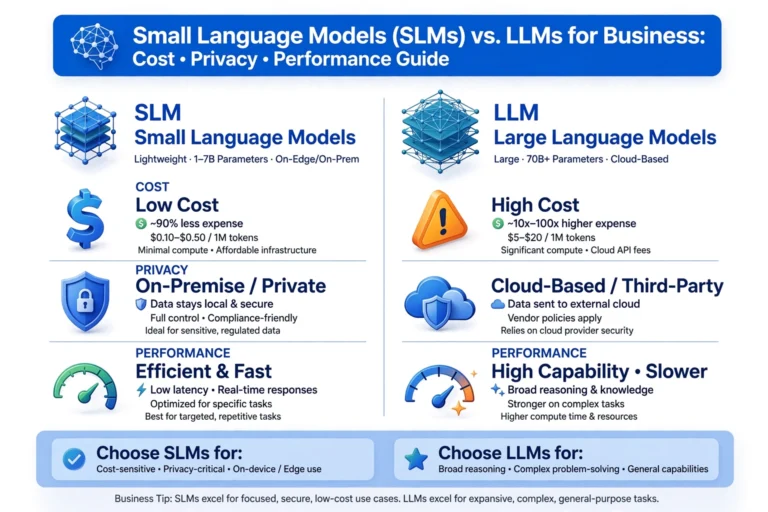
Furthermore, evaluating capital efficiency in enterprise software aligns with our analysis on Small Language Models (SLMs) vs. LLMs for enterprise performance and cost control.
To see how industrial conglomerates protect complex manufacturing lines from disruption, review our operational guide on building autonomous agentic AI for supply chain optimization.


+ There are no comments
Add yours