Key Highlights
- Gemini 3 Pro Image (Nano Banana Pro) is Google’s new state-of-the-art image generation model built on Gemini 3 Pro, released November 2025.
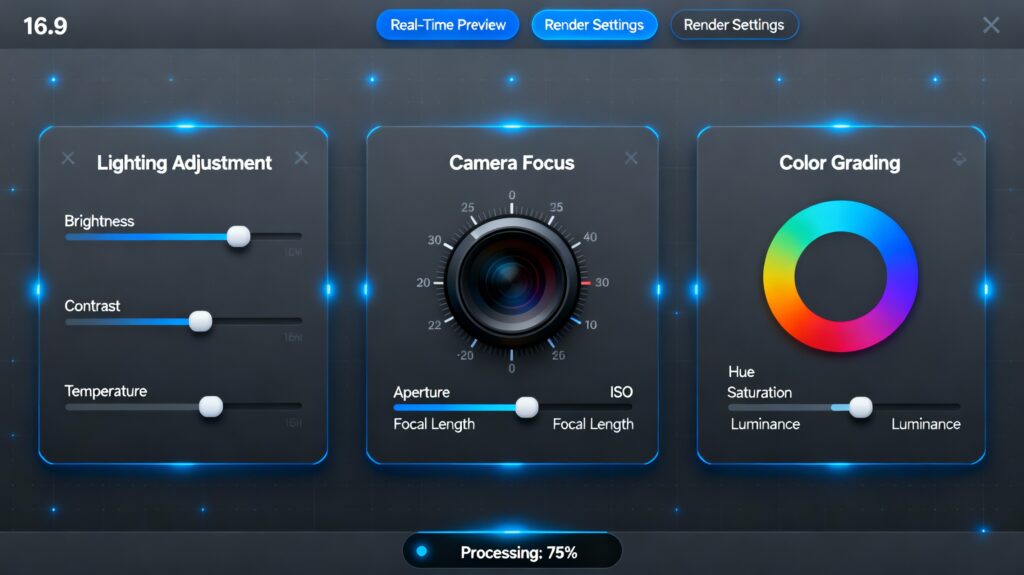
- Studio-quality controls let developers adjust lighting, camera angles, focus, color grading, and scene composition directly through prompts—shifting AI imagery from “nice demos” to production-ready workflows.
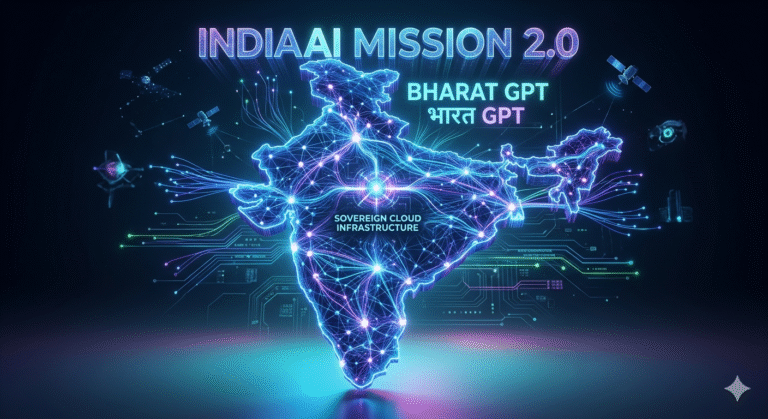
- Text rendering breakthroughs enable clean, readable in-image text across multiple languages, fonts, and calligraphy styles—critical for marketing, UI, and localization.
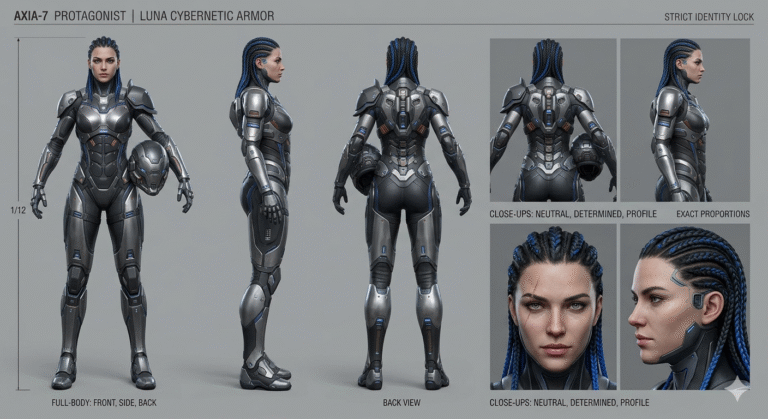
- Identity and input mixing supports blending up to 14 images while maintaining consistency and resemblance of up to 5 people, enabling brand-consistent campaigns and character continuity.
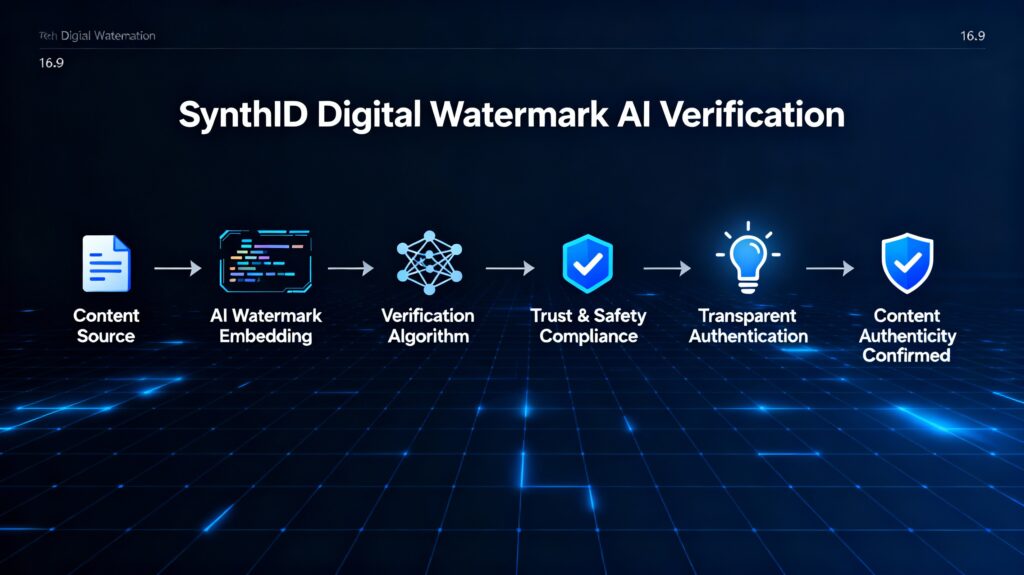
- SynthID watermarking is embedded in every generated image, along with C2PA metadata for provenance—addressing trust, safety, and regulatory compliance concerns.
Introduction: From Viral Toys to Production Tools
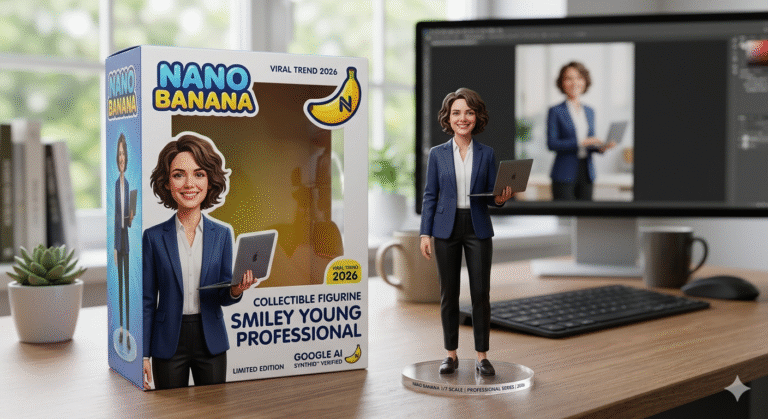
When Google launched the original Nano Banana (Gemini 2.5 Flash Image) in August 2025, it went viral almost overnight. Users turned themselves into action figures, transformed pets into 3D models, and flooded social media with shareable creations. Within four days, 13 million new users flooded the Gemini app. blog
Now, Google has released Nano Banana Pro (Gemini 3 Pro Image)—and it’s no longer just about fun. Built on the reasoning backbone of Gemini 3 Pro, this model is designed for developers, designers, and enterprises who need controllable, high-fidelity, production-ready image generation.
This blog breaks down what Nano Banana Pro offers, how it fits into Google’s developer ecosystem, and what strategic choices teams must weigh when adopting it for real-world workflows.
What Is Gemini 3 Pro Image?
Model Positioning
Gemini 3 Pro Image is a paid preview model optimized for:
- Complex and multi-turn image generation and editing
- Multimodal applications via the Gemini API
- Production workflows through Google AI Studio and Vertex AI
Unlike consumer-focused image generators, Gemini 3 Pro Image prioritizes accuracy, controllability, and integration into enterprise stacks.
Key Improvements Over Gemini 2.5 Flash Image
The trade-off is clear: Pro delivers quality and control; Flash delivers speed and cost-efficiency. Teams must choose based on use-case requirements.
Ecosystem and Integration Surface
Where Developers Can Access It
Gemini 3 Pro Image is available across Google’s developer and enterprise platforms: google
- Gemini API – Direct API access for custom applications
- Google AI Studio – Low-code experimentation and prototyping
- Vertex AI – Enterprise-grade deployment with security and compliance features
- Google Antigravity – Google’s new agentic IDE for agent-driven development
Google Antigravity Integration
Announced alongside Gemini 3, Google Antigravity is Google’s new AI-powered IDE built for agent-first development.
Within Antigravity, developers can use Gemini 3 Pro Image to:
- Generate UI mockups and asset packs before writing code
- Produce themed visual components for applications
- Create design artifacts that agents can verify and iterate on
Creative Platform Support
Google has partnered with major creative tools:
- Adobe Photoshop – Nano Banana Pro now powers Generative Fill, enabling prompt-based editing within Photoshop workflows
- Figma – Integration for design teams to leverage AI-generated visuals while preserving brand DNA
High Fidelity and Fine-Grained Control
Studio-Quality Creative Controls
What sets Gemini 3 Pro Image apart for professional use is granular control over visual parameters:
- Lighting – Transform scene lighting (day to night, diffused/soft, directional)
- Camera angles – Adjust perspective and viewpoint conversationally
- Focus – Create bokeh effects, foreground/background emphasis
- Color grading – Apply sophisticated color treatments
- Layout – Control composition and element arrangement
These controls are accessed through conversational prompts, not complex interfaces. Developers describe what they want; the model reasons through the adjustments.
Output Capabilities
| Capability | Specification |
|---|---|
| Resolutions | 1K, 2K, 4K |
| Aspect Ratios | 1:1, 16:9, 9:16, 21:9 |
| Multi-image blending | Up to 14 images |
| Character consistency | Up to 5 people |
| Multi-turn editing | Supported |
| Input mixing | Product shots, logos, references into cohesive compositions |
Real-World Workflow Example
A developer building a product catalog can:
- Upload product photos and brand logos
- Prompt: “Combine these into a lifestyle shot with soft morning lighting, 16:9, 4K”
- Iterate: “Move the logo to the top-left, add a subtle bokeh background”
- Export production-ready assets directly from the API
Text, Localization, and Content Accuracy

The Text Rendering Breakthrough
Previous AI image generators struggled with text—producing garbled letters, misspellings, or illegible fonts. Gemini 3 Pro Image solves this.
Nicole Brichtova, product lead at Google DeepMind, explained: “Even if you have one letter off, it’s very obvious. It’s similar to hands with fingers—it’s the thing you notice.”
The model now generates:
- Clean, readable text in multiple languages
- A wider variety of textures, fonts, and calligraphy styles
- Detailed text in mockups, posters, and UI elements
Use Cases Enabled
- Marketing creatives – Ad variants with accurate taglines and copy
- UI mockups – Realistic interface designs with proper text labels
- Comics and illustrated content – Multi-page comics with styled, readable dialogue
- Localization workflows – Translate text on signs, menus, or documents while preserving layout and style
Factual Grounding with Google Search
When enabled, Gemini 3 Pro Image can integrate real-time information from Google Search to create accurate diagrams, maps, and infographics tailored to user prompts.
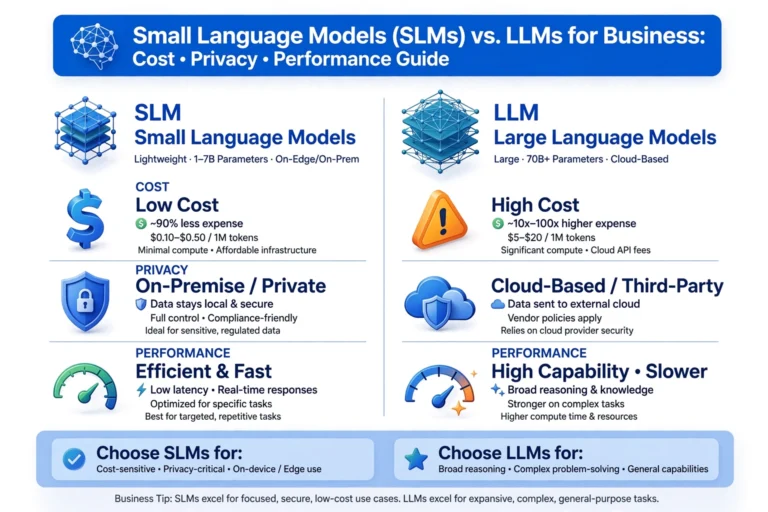
Josh Woodward, VP of Google Labs, noted: “It’s exceptional at creating infographics. This capacity to represent concepts that previously might not have been considered suitable for visual representation is one of the remarkable aspects.”
Trust, Safety, and Compliance
SynthID Digital Watermarking
Every image generated by Gemini 3 Pro Image carries a SynthID watermark—an imperceptible digital signature embedded in the image.
Since 2023, over 20 billion AI-generated pieces of content have been watermarked using SynthID.
Users can verify if an image was AI-generated by uploading it to the Gemini app and asking: “Was this created with Google AI?”
C2PA Metadata for Provenance
Images generated through the Gemini app, Vertex AI, and Google Ads now include C2PA (Coalition for Content Provenance and Authenticity) metadata, providing transparency into creation history.
Compliance Implications
| Area | Implication |
|---|---|
| Platform Trust | Users can verify AI involvement in content |
| Regulatory Compliance | Supports emerging AI disclosure requirements |
| Advertising Standards | Enables transparent AI-generated ad content |
| Enterprise Governance | Audit trails for synthetic media |
| Media Integrity | Combats misinformation through provenance tracking |
For businesses operating in regulated industries (advertising, media, healthcare), SynthID and C2PA provide compliance infrastructure that was previously missing from AI image generation.
Developer Onboarding and Experience
Getting Started
Google provides multiple entry points:
- Demo App Gallery – Explore sample applications (mockups, comics, infographics, localization)
- Google AI Studio – Low-code experimentation with the model
- Vertex AI – Enterprise deployment with security controls
- Gemini API – Direct integration into custom applications
Support Resources
- Documentation – Comprehensive API reference
- Prompt Guide – Best practices for effective prompting
- Cookbook – Code samples and implementation patterns
- Developer Forum – Community support and troubleshooting
Code Sample: Basic Image Generation
pythonfrom google import genai

client = genai.Client()

response = client.models.generate_content(
    model="gemini-3-pro-image-preview",
    contents="Premium wireless earbuds on white studio background,
              professional product photography, 16:9",
    config=types.GenerateContentConfig(
        response_modalities=["TEXT", "IMAGE"],
        image_config=types.ImageConfig(
            aspect_ratio="16:9",
            image_size="2K"
        ),
    ),
)

for part in response.parts:
    if image := part.as_image():
        image.save("product_shot.png")
Strategic Choices for Teams and Businesses
When to Choose Gemini 3 Pro Image vs. Lighter Models
| Criteria | Choose Gemini 3 Pro Image | Choose Gemini 2.5 Flash Image |
|---|---|---|
| Quality requirements | Production-ready, brand-critical | Prototyping, internal use |
| Text accuracy needed | Marketing copy, UI labels | Decorative text only |
| Resolution | 2K/4K required | 1K sufficient |
| Budget sensitivity | Higher cost acceptable | Cost-constrained |
| Iteration speed | Quality over speed | Speed over quality |
| Character consistency | Multi-image campaigns | Single-image use |
Evaluation Criteria for Enterprise Adoption
- Brand Safety – SynthID watermarking + factual grounding
- Ecosystem Fit – Existing Google Cloud/Vertex AI investments
- Design Workflows – Integration with Figma, Adobe, internal tools
- Governance Requirements – Audit trails, content provenance, compliance
- Cost-Latency Trade-offs – ~$0.134 per image vs. faster/cheaper alternatives
Key Use Cases and Product Ideas
Design and Marketing
- Automated ad variants – Generate hundreds of localized ad creatives from a single brief
- Social media content – Platform-specific aspect ratios with accurate copy
- Brand-consistent campaigns – Maintain visual DNA across touchpoints
Product and UX
- Rapid UI mockups – Generate interface designs before coding
- Themed asset packs – Consistent iconography and illustrations
- Localization-ready visuals – Translate and adapt content for international markets
Media and Education
- Comics and illustrated lessons – Multi-page visual narratives with styled text
- Infographics and diagrams – Factually grounded with Google Search
- Educational content – Visual explanations tied to real-time information
Enterprise
- Custom report generation – Branded dashboards and visual reports
- Domain-specific illustrations – Technical diagrams, architectural visualizations
- Internal communications – Engaging visual content at scale
Risks, Limitations, and Open Questions
Potential Constraints
- Paid Preview Nature – Access, pricing tiers, and usage quotas may limit experimentation
- Google Ecosystem Dependence – Deep integration may create lock-in concerns for multi-cloud strategies
- Latency – ~60–70 seconds per image vs. 4–5 seconds for Flash models
Questions Teams Should Assess
- IP and Licensing – What are the usage policies for generated assets? Can they be used commercially without restrictions?
- Sensitive Domain Handling – How does the model behave when Search grounding encounters sensitive or controversial topics?
- Watermark Governance – How will downstream systems detect and process SynthID watermarks? What if watermarks are stripped?
- Cost Scaling – At production volumes, how do costs compare to in-house solutions or competing APIs?
- Misuse Risk – Despite safety measures, controversy has occurred tied to politically sensitive generated images.
Conclusion: From Nice Demos to Controllable Workflows
Gemini 3 Pro Image marks a significant inflection point. AI image generation is no longer a novelty—it’s becoming enterprise infrastructure.
For developers, the shift is clear: you now have production-grade controls over lighting, composition, text, and consistency. For businesses, the stakes are higher: quality vs. cost, ecosystem lock-in vs. speed, and the governance needed for responsible large-scale use.
The model won’t be right for everyone. Flash is faster and cheaper; competitors offer different trade-offs. But for teams building brand-critical, text-heavy, or multi-image workflows, Nano Banana Pro represents a new benchmark.




+ There are no comments
Add yours