Key Highlights:
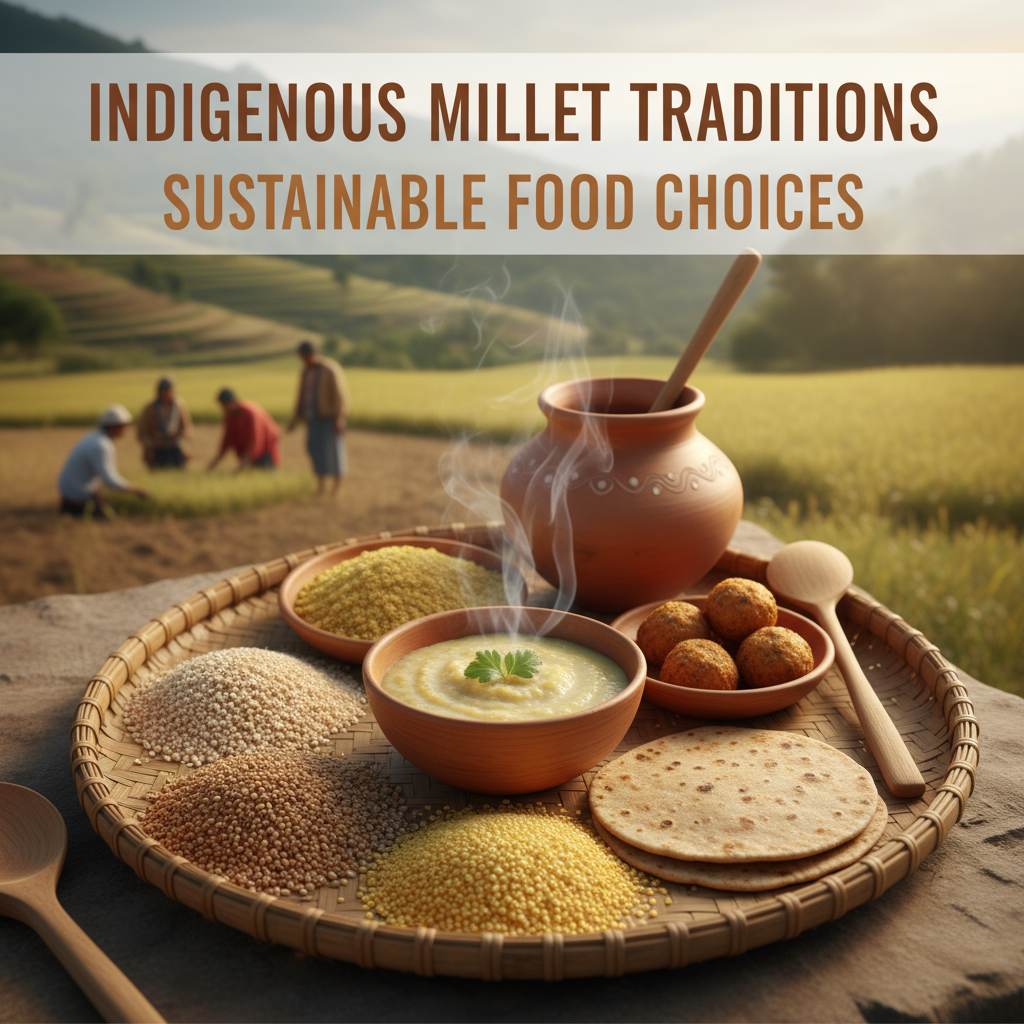
- India’s 705 tribal communities preserve rich indigenous food diversity including climate-resilient crops like kodo millet, jamyrdoh (fish mint), and ker-sangri, offering sustainable alternatives to water-intensive conventional agriculture
- Millets demonstrate exceptional climate resilience through C4 photosynthetic pathways requiring minimal water while providing superior nutrition with high dietary fiber, essential amino acids, and potential for carbon sequestration revenue
- UN declared 2023 International Year of Millets at India’s behest, recognizing millets as “nutri-cereals” and “Shree Anna” with government initiatives promoting production across 131 countries where millets serve 600 million people
- WWF report reveals if world adopted India’s diet model, only 0.84 Earths needed by 2050 compared to current unsustainable consumption patterns contributing to food system’s 11% global greenhouse gas emissions
- Traditional food systems face severe decline with Baiga Chak study showing sharp two-decade decrease in traditional food availability, while Green Revolution subsidies favor water-intensive rice-wheat over sustainable indigenous crops
The Climate-Food Crisis Convergence
The global food system stands at a critical crossroads, confronting the dual reality of mass-produced factory food versus smallholder farming for survival – a tension that embodies the broader climate crisis facing humanity today. Food production contributed 11% of global greenhouse gas emissions in 2018, while simultaneously remaining vulnerable to climate change impacts that threaten global food security for billions of people.
The concept of “luxury emissions” versus “survival emissions” becomes particularly relevant when examining food choices in a climate-risked world. While wealthy nations contribute disproportionately to climate change through resource-intensive consumption patterns, developing countries and indigenous communities often maintain sustainable practices that could offer solutions to the global climate emergency.
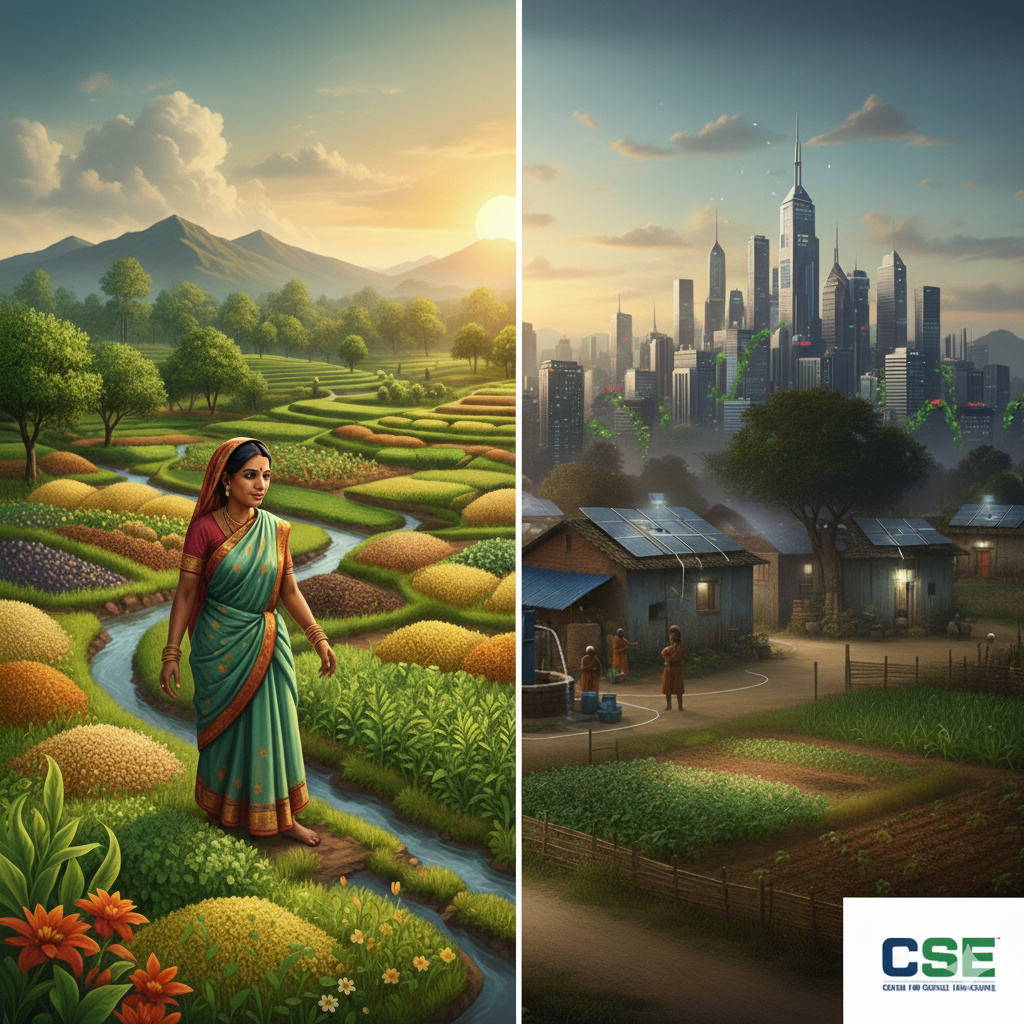
India presents a fascinating paradox: home to 705 tribal communities with rich indigenous culinary traditions that have sustained biodiversity and climate resilience for millennia, yet simultaneously experiencing rapid dietary transitions toward Western consumption patterns that exacerbate environmental degradation. The World Wildlife Fund (WWF) report reveals that if the world adopted India’s traditional diet model, only 0.84 Earths would be needed by 2050 – a stark contrast to current unsustainable consumption trajectories.
The urgency is unmistakable: with climate change causing 0.7°C temperature rise in India (1901-2018) and 6% decline in rainfall (1951-2015), traditional food systems offer proven strategies for climate adaptation while addressing nutritional security and environmental sustainability simultaneously. For UPSC aspirants and policymakers, understanding this nexus between indigenous food wisdom and climate action becomes essential for designing effective governance strategies in the 21st century.
Understanding the Food-Climate Nexus: The Feedback Loop Crisis
Agriculture’s Dual Role in Climate Change
Agriculture occupies a unique position as both victim and contributor to climate change. While agricultural systems suffer from rising temperatures, altered precipitation patterns, and extreme weather events, they simultaneously contribute significantly to global greenhouse gas emissions through soil erosion, water pollution, methane emissions from livestock, and carbon dioxide releases from rice cultivation.
Climate Impact on Indian Agriculture:
- 0.7°C temperature increase from 1901-2018 affecting crop yields and growing seasons
- 6% rainfall decline from 1951-2015 stressing water resources and rainfed agriculture
- Projected yield losses in wheat and rice – India’s staple crops – threatening food security
- Increased frequency of extreme weather events including droughts, floods, and heatwaves
Agricultural Contribution to Emissions:
- Methane emissions from flooded rice fields and livestock production
- Nitrous oxide releases from fertilizer application and agricultural soils
- Carbon dioxide emissions from deforestation, land-use changes, and mechanized farming
- Soil carbon loss through intensive cultivation and erosion
This feedback loop creates accelerating environmental degradation: unsustainable agricultural practices worsen climate change, which in turn reduces agricultural productivity, forcing further intensification and environmental damage.
India’s Indigenous Culinary Traditions: A Sustainable Solution

The Wealth of Tribal Communities
India’s 705 tribal communities represent living libraries of sustainable food knowledge, having developed food systems through harvesting, foraging, hunting, fishing, and gathering shaped by local biodiversity and ecological balance. These communities historically depended on 1000-1500 plant species compared to mainstream populations relying on just 100-150 species.
Examples of Indigenous Food Diversity:
Baiga Tribe (Madhya Pradesh):
- Kodo millet (Paspalum scrobiculatum): Drought-resistant grain with superior nutrition
- Kutki (Picrorhiza kurroa): Medicinal plant with food applications
- Tubers and roots: Wild varieties providing carbohydrates and micronutrients
- Mahua flowers (Madhuca longifolia): Traditional fermented foods and nutritious preparations
Rajasthan’s Arid Zone Communities:
- Pearl millet (Bajra): Primary drought-resistant cereal adapted to desert conditions
- Moth beans (Vigna aconitifolia): Protein-rich legume requiring minimal water
- Ker-sangri: Wild desert beans and berries providing essential nutrients during scarcity periods
- Desert vegetables: Indigenous varieties adapted to water stress and high temperatures
Meghalaya’s Northeast Communities:
- Jamyrdoh (fish mint, Houttuynia cordata): Wild leafy vegetable with medicinal properties
- Jarain (buckwheat): Climate-resilient pseudocereal with complete amino acid profile
- Wild mushrooms: Diverse fungal species providing protein and micronutrients
- Traditional red and black rice: Indigenous varieties with superior nutrition and flood tolerance
Nutritional and Environmental Advantages
Indigenous food systems offer multiple advantages over conventional agriculture:
Nutritional Superiority:
- Higher micronutrient density in wild and traditional varieties
- Diverse amino acid profiles from multiple protein sources
- Natural antioxidants and bioactive compounds in wild foods
- Balanced macronutrient ratios suited to local metabolic needs
Environmental Benefits:
- Biodiversity conservation through in-situ preservation of wild species
- Soil health maintenance via polyculture systems and minimal external inputs
- Water conservation through drought-resistant crops and traditional water management
- Carbon sequestration via agroforestry systems and perennial crops
Millets: Climate-Resilient Nutritional Powerhouses
Historical Significance and Global Distribution
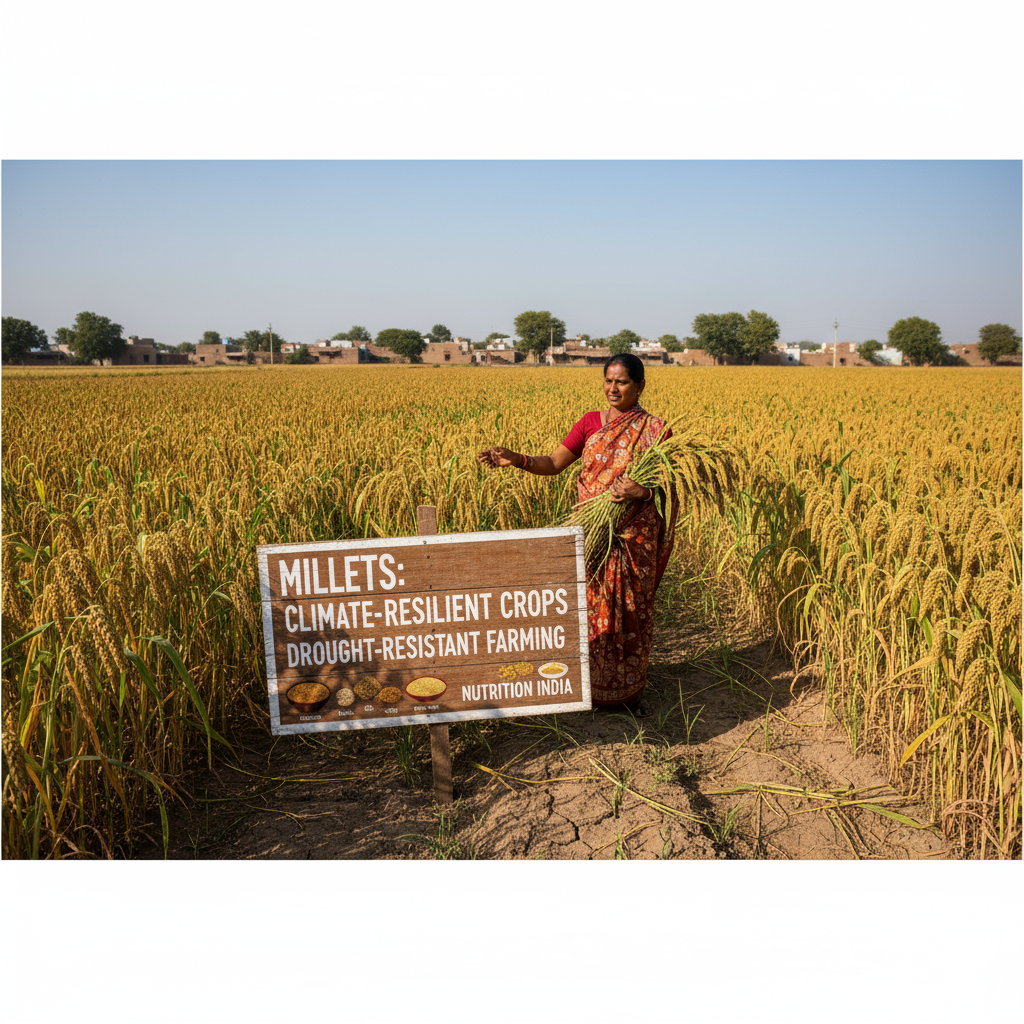
Millets have been part of human agriculture since 3000 BC, serving as traditional staples across India, China, and Africa. Archaeological evidence from the Indus Valley Civilization demonstrates millennia-old cultivation of various millet species, highlighting their fundamental role in human food security.
Global Context:
- Grown in 131 countries serving as traditional food for over 600 million people in Asia and Africa
- India produces 41% of global millet output, making it the world’s largest producer
- Africa accounts for 55% of global production, Asia contributes nearly 40%, while Europe represents 3%
- Over 90 million individuals in Africa and Asia incorporate millets into their regular diets
Nutritional Powerhouse Characteristics
Millets demonstrate exceptional nutritional profiles that address multiple dietary deficiencies:
Macronutrient Composition:
- High dietary fiber content promoting digestive health and satiety
- Essential amino acids providing complete protein profiles
- Complex carbohydrates with low glycemic index beneficial for diabetes management
- Healthy fats including omega-3 and omega-6 fatty acids
Micronutrient Density:
- Iron content higher than rice and wheat, addressing anemia concerns
- Calcium levels exceeding conventional cereals, supporting bone health
- B-complex vitamins essential for metabolic functions
- Magnesium, phosphorus, and zinc for enzymatic processes
Health Benefits:
- Gluten-free nature suitable for celiac disease sufferers
- Antioxidant properties from bioactive flavonoids
- Disease prevention potential including cancer protection
- Diabetes management through blood sugar regulation
Climate Resilience Mechanisms
Millets demonstrate extraordinary climate adaptation through multiple biological mechanisms:
C4 Photosynthetic Pathway:
- Enhanced CO2 concentration mechanism improving photosynthetic efficiency
- Reduced photorespiration under high temperature conditions
- Greater water-use efficiency compared to C3 crops like wheat and rice
- Carbon sequestration potential generating revenue through carbon trading
Environmental Adaptability:
- Minimal water requirements – crucial for water-scarce regions
- Thrives in marginal lands unsuitable for conventional crops
- Withstands extreme weather including droughts, heatwaves, and irregular rainfall
- Resistance to pests and diseases reducing pesticide dependence
Short Growing Seasons:
- Maturation within 12-14 weeks enabling multiple cropping cycles
- Flexible planting windows adapting to uncertain weather patterns
- Quick harvest capability reducing climate risk exposure
- Reduced agricultural inputs lowering production costs
Government Initiatives and Policy Framework
UN International Year of Millets 2023
India’s leadership in promoting millets globally achieved historic recognition when the UN General Assembly declared 2023 as the International Year of Millets (IYM) following India’s proposal supported by 72 countries.
Key Objectives:
- Raise awareness of millets’ contribution to food security and nutrition
- Inspire stakeholders to improve sustainable production and quality of millets
- Focus on enhanced investment in research and development and extension services
- Promote global recognition of millets as climate-smart crops
India’s Vision:
Prime Minister Narendra Modi positioned the initiative as a “People’s Movement” alongside establishing India as the “Global Hub for Millets”. The comprehensive approach engages central ministries, state governments, farmers, startups, exporters, and Indian embassies in coordinated global promotion.
National Policy Framework
Classification and Branding:
- Millets rebranded as “Nutri-Cereals” in April 2018, emphasizing nutritional value
- Designation as “Shree Anna” (sacred grain) highlighting cultural significance
- 2018 declared as National Year of Millets for domestic promotion
Institutional Support:
- Indian Institute of Millets Research (IIMR), Hyderabad serves as Centre of Excellence
- National Millet Campaign promoting production and consumption
- Integration with LiFE (Lifestyle for Environment) mission and net-zero goals
- Coordination with SDG achievement particularly SDG 2 (Zero Hunger) and SDG 13 (Climate Action)
Research and Development:
- ICAR-IIMR leading crop improvement programs and variety development
- Multi-location trials testing climate-resilient varieties
- Value chain development from production to processing to marketing
- Nutritional research documenting health benefits and therapeutic applications
Challenges to Indigenous Food Systems: The Erosion Crisis
Green Revolution Legacy and Subsidies
The Green Revolution’s focus on rice and wheat through subsidies and mechanization has systematically marginalized millets and traditional food systems. Policy incentives favoring high-yielding varieties of water-intensive crops created economic pressures that displaced sustainable indigenous agriculture.
Subsidy Distortions:
- Input subsidies for fertilizers and pesticides favor conventional crops
- Minimum support prices (MSP) primarily for rice and wheat disadvantage millets
- Public Distribution System (PDS) distributing subsidized rice and wheat reducing millet demand
- Agricultural credit easier access for conventional crops compared to indigenous varieties
Market Dynamics:
- Consumer preferences shifted toward polished rice and refined wheat
- Processing infrastructure primarily developed for major cereals
- Supply chain networks optimized for rice-wheat systems
- Branding and marketing emphasized “modern” foods over traditional varieties
Land Use and Environmental Pressures
Deforestation and commercial farming have restricted access to traditional food sources for tribal communities:
Baiga Chak Study Findings:
- Sharp two-decade decline in traditional food availability
- Forest department restrictions limiting access to wild food resources
- Commercial agriculture expansion displacing traditional farming systems
- Monoculture plantations reducing biodiversity essential for diverse food systems
Land Use Policy Impacts:
- Restrictive forest regulations preventing traditional harvesting
- Conservation policies excluding indigenous communities from ancestral territories
- Land acquisition for development projects displacing traditional food systems
- Property rights favoring commercial interests over community food sovereignty
Generational Knowledge Loss
Younger generations are losing connection to indigenous food knowledge due to:
Educational System Changes:
- Formal education emphasizing Western knowledge systems
- Migration to urban areas for employment opportunities
- Digital entertainment competing with traditional knowledge transmission
- Language shifts eroding oral traditions containing food wisdom
Cultural Stigmatization:
- Indigenous foods perceived as “backward” or “poor people’s food”
- Social mobility associated with adopting modern diets
- Marketing campaigns promoting processed foods as “aspirational”
- Peer pressure discouraging traditional food practices among youth
Climate-Resilient Indigenous Agricultural Practices

Traditional Farming Wisdom: The Chuktia Bhunjia Model
The Chuktia Bhunjia tribe of Odisha exemplifies sophisticated indigenous agriculture that integrates knowledge-based intercropping, agroforestry, crop rotation, and crop diversity. Their practices demonstrate how traditional systems can enhance climate resilience while maintaining ecosystem health.
Integrated Farming Components:
- Knowledge-based intercropping: Multiple species cultivated together for mutual benefit
- Agroforestry systems: Trees integrated with crops and livestock
- Crop rotation patterns: Systematic alternation maintaining soil fertility
- Crop diversity: Multiple varieties reducing risk and enhancing nutrition
Climate Adaptation Strategies:
- Rainwater harvesting through traditional water conservation structures
- Soil fertility management using organic inputs and biological processes
- Carbon sequestration via perennial crops and agroforestry systems
- Reduced greenhouse gas emissions through minimal external inputs
Economic and Social Benefits:
- Integration of beliefs, rituals, and technology making agriculture cost-effective
- Climate change-driven decision-making ensuring sustainable food production
- Community-based resource management enhancing social cohesion
- Multiple livelihood streams from diverse agricultural systems
Traditional Water and Soil Management
Indigenous communities have developed sophisticated systems for water and soil conservation:
Water Management Innovations:
- Check dams and bunds for rainwater harvesting
- Traditional tanks and ponds for irrigation storage
- Watershed management through community participation
- Crop selection based on rainfall patterns and water availability
Soil Health Practices:
- Organic matter addition through crop residues and animal manure
- Mixed cropping systems enhancing soil biology and nutrient cycling
- Minimal tillage practices preserving soil structure and microbial communities
- Terracing and contouring preventing soil erosion on sloped lands
Environmental and Climate Benefits of Indigenous Systems
Biodiversity Conservation Impact
Traditional food systems serve as crucial repositories of agricultural biodiversity:
In-Situ Conservation:
- Wild relatives of cultivated crops preserved in natural habitats
- Traditional varieties maintained by farming communities
- Seed exchange networks ensuring genetic diversity preservation
- Sacred groves serving as biodiversity hotspots and gene banks
Ecosystem Services:
- Pollinator habitat maintenance through diverse flowering plants
- Natural pest control via predator-prey relationships
- Soil microbiome diversity supporting plant health
- Water cycle regulation through diverse vegetation covers
Carbon Sequestration Potential
Indigenous agroforestry systems demonstrate significant carbon sequestration capabilities:
Sequestration Mechanisms:
- Tree biomass accumulation in above-ground and below-ground components
- Soil organic carbon enhancement through leaf litter and root inputs
- Perennial systems providing long-term carbon storage
- Reduced emissions from minimal external inputs and machinery use
Revenue Generation Opportunities:
- Carbon credit markets offering financial incentives for sequestration
- Payment for ecosystem services recognizing environmental contributions
- Green bonds financing sustainable agriculture projects
- Climate finance supporting traditional system maintenance and expansion
Policy Recommendations
Institutional Framework Strengthening
Comprehensive Support Systems are needed for indigenous food system revival:
Land Rights and Access:
- Community forest rights under Forest Rights Act implementation
- Traditional knowledge protection through intellectual property frameworks
- Access rights to wild food resources in protected areas
- Benefit-sharing agreements for commercialization of traditional foods
Financial and Credit Support:
- Priority sector lending classification for millet and indigenous crop cultivation
- Crop insurance schemes covering traditional varieties and wild food systems
- Subsidies reorientation from rice-wheat to climate-resilient crops
- Value chain financing for processing and marketing of traditional foods
Capacity Building and Awareness
Educational and Training Programs:
- Training programs for farmers, educators, and consumers on indigenous foods
- Curriculum integration in agricultural colleges and schools
- Extension service capacity building on traditional farming practices
- Consumer awareness campaigns highlighting nutritional and environmental benefits
Research and Documentation:
- Systematic documentation of indigenous food knowledge and climate adaptation strategies
- Participatory research involving tribal communities in knowledge generation
- Nutritional analysis of traditional foods and wild varieties
- Climate resilience assessment of indigenous agricultural systems
Processing Infrastructure Development
Value Chain Enhancement:
- Decentralized processing units for millets and traditional foods
- Storage facilities preserving traditional seed varieties
- Market linkages connecting producers with urban consumers
- Quality certification systems for organic and traditional products
Technology Integration:
- Appropriate technology for processing traditional foods
- Packaging solutions extending shelf life of indigenous products
- Digital platforms connecting traditional food producers with markets
- Cold chain infrastructure for perishable traditional foods
Nutrition Security Programs
Integration with Existing Schemes:
- ICDS (Integrated Child Development Services) incorporating millet-based foods
- Mid-Day Meal schemes including traditional grains and wild vegetables
- Public Distribution System diversification beyond rice and wheat
- Anganwadi nutrition programs featuring local indigenous foods
Therapeutic Applications:
- Medical nutrition therapy using traditional foods for diabetes and lifestyle diseases
- Functional food development from indigenous ingredients
- Nutraceutical research on bioactive compounds in traditional foods
- Community health programs promoting traditional dietary patterns
Global Context and Strategic Vision
International Best Practices
Mediterranean Diet Model parallels India’s traditional plant-based diverse diets in promoting sustainability:
Shared Characteristics:
- Plant-based emphasis with minimal animal products
- Seasonal food consumption aligned with local production cycles
- Traditional cooking methods preserving nutritional value
- Cultural food practices maintaining dietary diversity
Climate Action Integration:
- Short food supply chains reducing transportation emissions
- Urban agriculture initiatives bringing production closer to consumers
- Sustainable consumption campaigns promoting environmentally friendly food choices
- International cooperation on traditional knowledge sharing and conservation
India’s Global Leadership Opportunity
Positioning India as a global leader in sustainable food systems:
Knowledge Export:
- Traditional farming techniques suitable for climate adaptation globally
- Crop varieties adapted to diverse environmental conditions
- Processing technologies for indigenous foods
- Policy frameworks integrating traditional knowledge with modern governance
South-South Cooperation:
- Technology transfer to African countries with similar agro-climatic conditions
- Capacity building programs for developing nations
- Research collaboration on climate-resilient agriculture
- Market development for traditional foods in international markets
CSE’s Initiative: Bridging Knowledge Gaps
The Centre for Science and Environment’s “Sustainable Flavours” webinar represents crucial educational intervention for understanding eating right in a climate-risked world. This initiative focuses on India’s indigenous culinary traditions that are naturally suited to the local environment and climate conditions.
Program Components:
- Educational platform promoting sustainable food choices
- Traditional recipe contest encouraging engagement and awareness
- Expert discussions on climate-food nexus
- Policy dialogue on supporting indigenous food systems
Knowledge Bridging Role:
Organizations like CSE play crucial roles in connecting scientific knowledge with traditional wisdom, facilitating dialogue between policymakers and communities, and promoting sustainable food choices through evidence-based advocacy.
Conclusion: Harvesting Wisdom for Climate Resilience
India’s indigenous culinary traditions and climate-resilient crops like millets offer viable pathways to sustainable food security in an era of climate uncertainty. The wisdom embedded in 705 tribal communities represents millennia of experimentation with sustainable food systems that enhance rather than degrade environmental resources while providing superior nutrition and climate adaptation capabilities.
The evidence is compelling: millets’ exceptional drought tolerance, minimal water requirements, and carbon sequestration potential position them as climate-smart crops for future food security. The UN’s recognition through International Year of Millets 2023 validates India’s leadership in promoting sustainable agriculture globally, while WWF’s finding that adopting India’s traditional diet would require only 0.84 Earths by 2050 demonstrates the global relevance of indigenous food wisdom.
However, challenges are formidable: the Baiga Chak study’s documentation of sharp decline in traditional food availability and systematic marginalization of indigenous crops through Green Revolution policies highlight urgent need for policy intervention. The transformation of citizens from food sovereigns to market dependents represents not just nutritional loss but erosion of climate resilience that communities had developed over centuries.
For UPSC aspirants and governance professionals, recognizing food choices as critical climate action tools becomes essential for effective policy-making. The intersection of food security, climate mitigation, and cultural preservation requires nuanced understanding of how traditional knowledge systems can inform contemporary governance while adapting to modern challenges.
The path forward demands systematic support for indigenous food systems through land rights protection, financial incentives for climate-resilient crops, processing infrastructure development, and educational programs that value traditional knowledge. Success requires reorienting agricultural policies from industrial monocultures toward biodiverse systems that enhance both human and planetary health.
India’s traditional food wisdom provides models for global sustainability that require revival, not replacement. The choice is clear: continue down the path of resource-intensive agriculture that contributes to climate change, or embrace time-tested indigenous systems that offer solutions to contemporary challenges. The 705 tribal communities hold keys to this sustainable future – the question is whether policymakers will listen and act before this irreplaceable knowledge is lost forever.










+ There are no comments
Add yours