
Key Highlights:
- UPI transactions surge 114% CAGR with 18,587 crore transactions in FY 2024-25, accounting for 84% of total digital payment volumes in India
- Sarawak Pay adoption driven by perceived usefulness and ease of use, demonstrating 75% user satisfaction in rural Malaysian communities through localized digital wallet strategies
- Indian fintech market projected to reach $990 billion by 2032, with government initiatives like JAM Trinity and DBT enabling comprehensive financial inclusion
- Digital infrastructure gaps persist with only 41.75% rural internet users despite 65% rural population, highlighting critical connectivity challenges for inclusive growth
- RBI’s new authentication guidelines mandate two-factor security from April 2026, strengthening cybersecurity frameworks for India’s expanding digital payment ecosystem
India’s Digital Payment Revolution Accelerates
India’s transformation from a cash-heavy economy to digital-first nation represents one of the most remarkable fintech success stories globally. The Unified Payments Interface (UPI) has recorded unprecedented growth, with transactions surging from 92 crore in FY 2017-18 to 18,587 crore in FY 2024-25, achieving a compound annual growth rate (CAGR) of 114%. paytm
This digital revolution extends far beyond payment volumes. Total digital payment value increased from ₹1,962 lakh crore to ₹3,509 lakh crore over the same period, with UPI contributing 84% of transaction volumes and processing over 1,946.79 crore transactions in July 2025 alone.
The economic implications are transformative: India’s fintech market is projected to reach $990 billion by 2032, driven by innovations in digital banking, UPI ecosystems, and neobank platforms. This growth trajectory positions India as a global benchmark for digital financial inclusion, yet significant challenges remain in bridging digital divides and ensuring equitable access.
Malaysia’s Sarawak model offers valuable insights for addressing these challenges through community-driven digital wallet adoption strategies. Understanding both success factors and implementation barriers becomes crucial for policymakers, administrators, and UPSC aspirants studying India’s digital transformation.
India’s Digital Payment Policy Framework: Building the Foundation
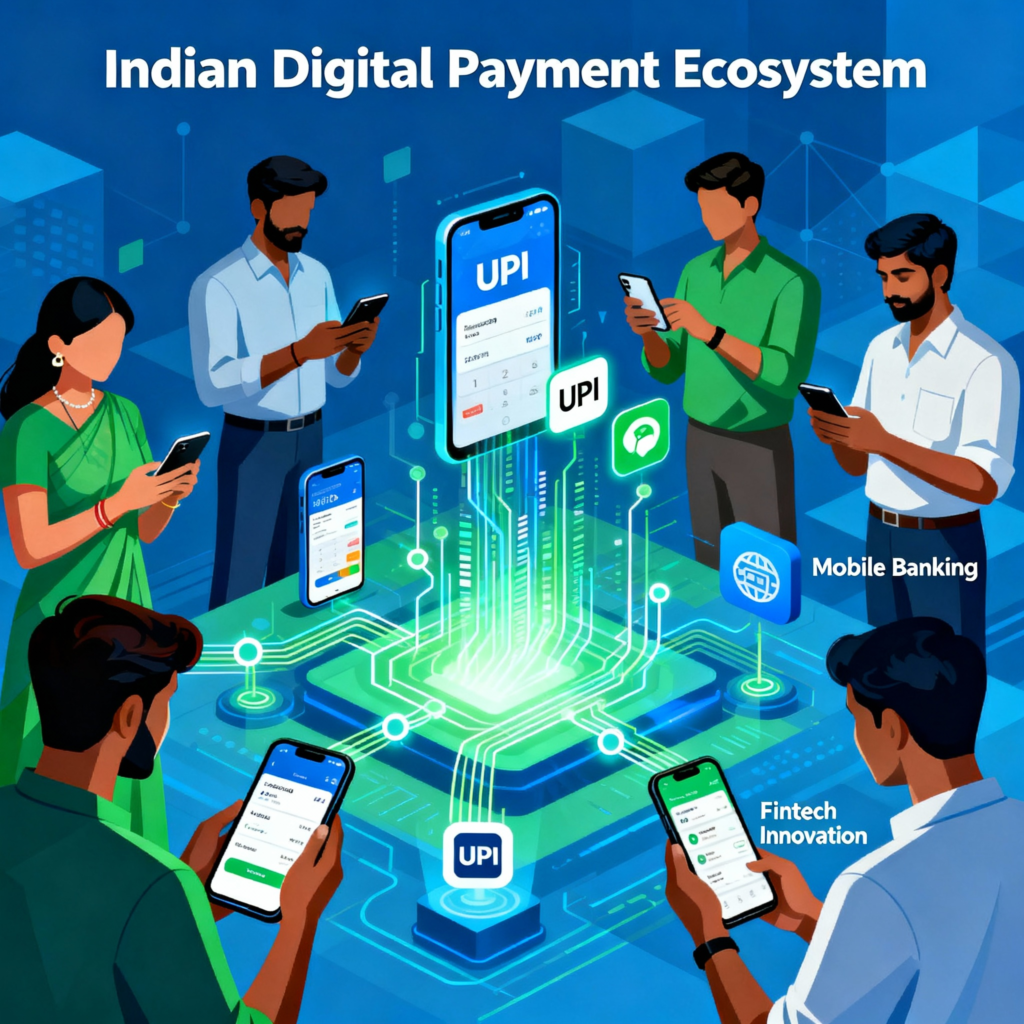
National Digital Payment Mission and Strategic Architecture
Digital India Mission represents the comprehensive policy framework driving India’s cashless transformation. The initiative encompasses eight national missions integrating digital payments across governance, commerce, and social delivery systems. pib.gov
Key Policy Components:
JAM Trinity Integration: The convergence of Jan-Dhan accounts (21.11 crore), Aadhaar numbers (98 crore), and mobile connections (100 crore) creates the foundational infrastructure for digital financial inclusion. nceg.gov
Direct Benefit Transfer (DBT) Expansion: Over ₹6.9 trillion was transferred in 2022-23 compared to ₹3.8 trillion in 2019-20, representing 80% growth in cash transfers during the COVID-19 pandemic. t20ind
UPI Ecosystem Development: The National Payments Corporation of India (NPCI) framework enables real-time, interoperable transactions with enhanced transaction limits for merchant payments. ibsintellegence
RBI’s Regulatory Framework Evolution
Enhanced Security Protocols
The Reserve Bank of India’s new authentication guidelines, effective April 1, 2026, mandate two-factor authentication for all digital payments with at least one dynamic factor.
Key Security Features:
- Risk-based transaction validation using behavioral patterns and geographic data
- Enhanced cross-border protection for card-not-present transactions by October 2026
- Issuer liability framework ensuring customer compensation for security failures
Digital Payment Security Controls (DPSC)
The Master Direction on Digital Payment Security Controls establishes common minimum standards for scheduled commercial banks, payment banks, and NBFCs:
- Application Security Life Cycle (ASLC) requirements
- Fraud Risk Management protocols
- Customer Protection and Awareness mechanisms
- Reconciliation and Grievance Redressal systems
Regulatory Sandbox Innovation
RBI’s innovation-friendly approach encourages fintech experimentation while maintaining security standards, enabling startup ecosystem growth within controlled regulatory environments.
Impact on Local Economy and Society: Transforming India’s Economic Landscape
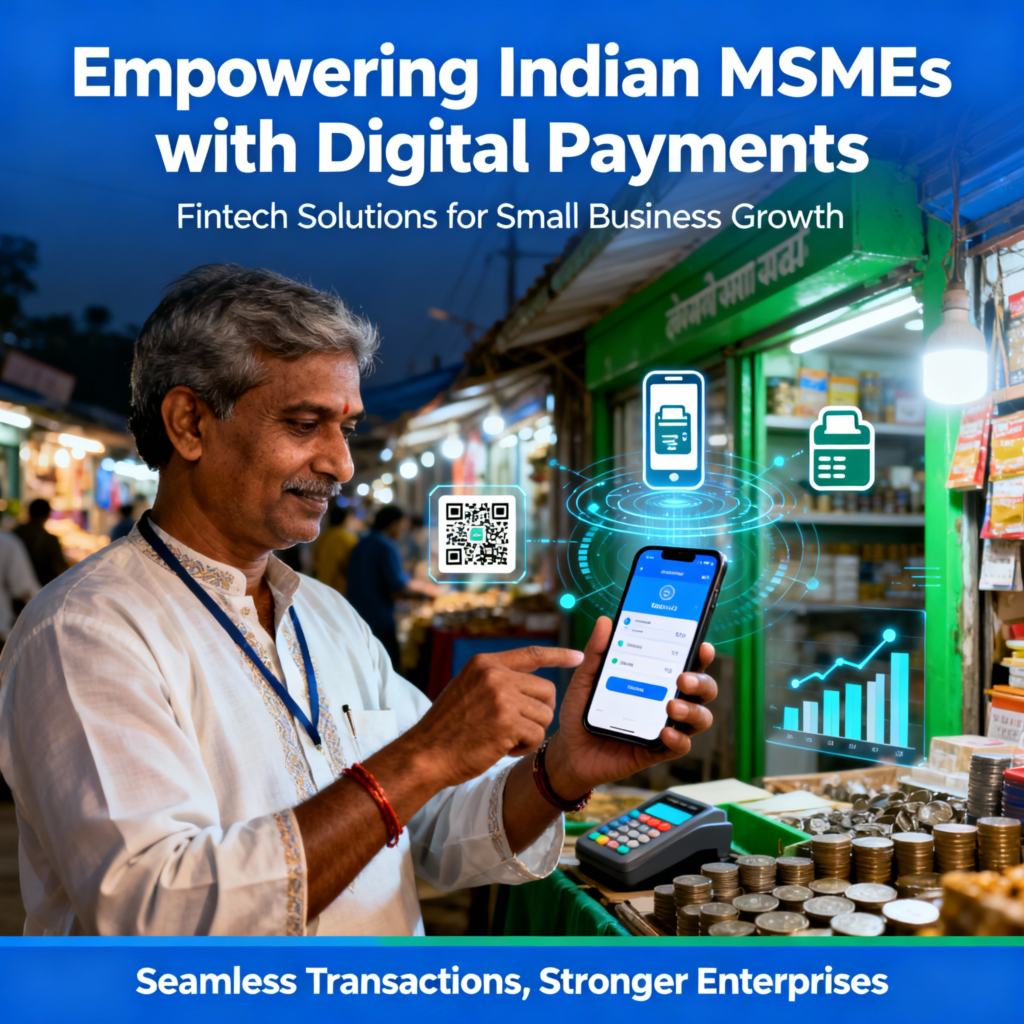
MSME Empowerment Through Digital Transformation
Micro, Small, and Medium Enterprises (MSMEs) represent the backbone of India’s economy, contributing approximately 29% to GDP, 44% to exports, and 62% to employment. Digital payments have revolutionized MSME operations through:
Enhanced Financial Access
72% of MSME payments now conducted digitally, with fintech platforms like Easebuzz enabling:
- Real-time UPI-based collections reducing transaction costs by up to 1.5%
- API-driven billing and disbursement systems
- Instant settlement cycles (T+0/T+1) improving cash flow management easebuzz
Credit Gap Resolution
Traditional ₹25 trillion credit gap for MSMEs is being addressed through fintech innovations:
- 68% YoY growth in digital lending to MSMEs in FY2023, exceeding ₹2.5 lakh crore disbursement
- Alternative data sources (GST filings, utility bills, bank statements) enable collateral-free lending
- Buy Now, Pay Later (BNPL) schemes for B2B procurement
Integrated Financial Management
Fintech solutions provide unified dashboards covering:
- Revenue tracking and GST-ready reports
- Cash flow forecasts and payroll automation
- Real-time expense management and TDS compliance ibef
Direct Benefit Transfer Revolution
DBT has emerged as the largest financial inclusion program globally, leveraging digital payments for transparent welfare delivery:
Scale and Impact:
- ₹2.73 trillion savings between 2013-2022 through leakage reduction
- Over 950 schemes now operate through DBT channels
- Women’s economic empowerment through direct account transfers improving household decision-making
COVID-19 Response:
Government leveraged digital payments to channel $22.5 billion in welfare payments to migrant laborers, MSMEs, and vulnerable communities during the pandemic.
Rural and Urban Digital Inclusion Progress
Financial Inclusion Metrics:
- Jan-Dhan account holders: 21.11 crore with comprehensive banking access
- RuPay card issuance: Expanding digital payment acceptance
- Aadhaar Enabled Payment System (AePS): Facilitating doorstep banking services
Urban Digital Commerce Growth:
Businesses and merchants have rapidly adopted online platforms, with steep rise in e-commerce adoption even in tier-2 and tier-3 cities. betterthancash
Challenges and Barriers: Addressing Digital Divide Complexities
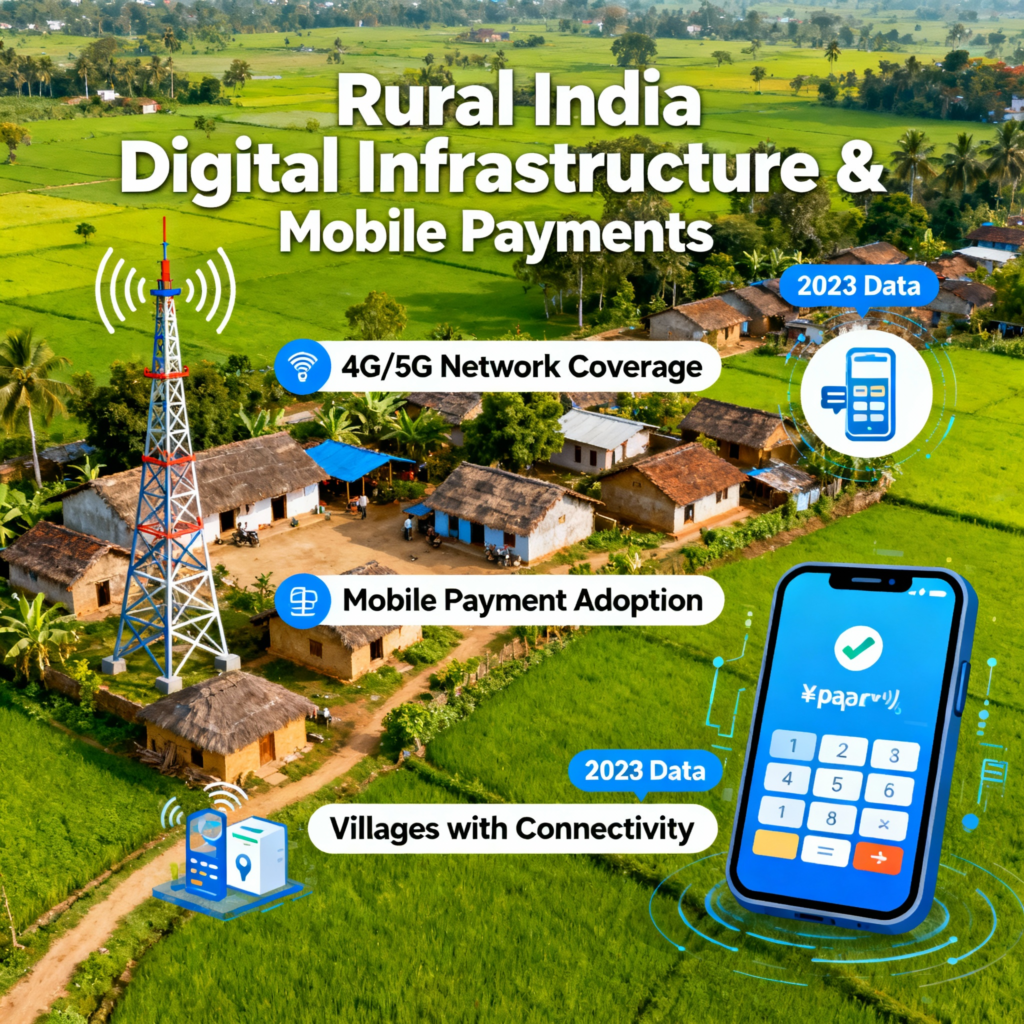
Infrastructure and Connectivity Gaps
Digital Divide Statistics:
- Only 41.75% of India’s internet users are rural despite 65% rural population
- Rural internet penetration: 31% compared to urban: 67%
- Only 3.8% of rural households have access to high-speed fiber connections vs. 15.3% urban
Connectivity Quality Issues:
- TRAI data shows lower average internet speeds in rural areas affecting usability
- Frequent power outages and patchy mobile network coverage impede digital service access
- 51% of rural women don’t own mobile phones, creating complete digital invisibility
Infrastructure Investment Requirements:
- High smartphone costs remain prohibitive for rural households
- Limited maintenance and repair facilities in rural areas
- Inadequate IT support centers for troubleshooting and user training
Digital Literacy and Awareness Barriers
Capability Constraints:
- Low digital readiness affects 1 in 2 rural households without internet access
- 2 in 5 urban households also report digital literacy challenges
- Language barriers persist with limited vernacular interface availability
Demographic Vulnerabilities:
- Older populations face significant learning curves for digital payment adoption
- Gender disparities in digital access particularly pronounced in rural areas
- Educational background correlation with digital payment acceptance rates
Trust and Security Concerns:
- Perception of fraud risks inhibits adoption among risk-averse populations
- Concerns about transaction irreversibility and technical failures
- Limited awareness of grievance redressal mechanisms and consumer protection
Cybersecurity and Privacy Challenges
Threat Landscape Evolution:
RBI emphasizes highest importance to security controls given the pre-eminent role of digital payment systems.
Key Security Vulnerabilities:
- Rising sophistication of cyber threats requiring advanced authentication
- SMS-based OTP limitations necessitating dynamic authentication factors
- Cross-border transaction risks requiring enhanced validation mechanisms
Data Protection Requirements:
- Alignment with Digital Personal Data Protection Act, 2023
- Data localization norms for payment system operators
- Stringent KYC requirements to prevent fraud and money laundering
Technology and Innovation Drivers: Fueling India’s Fintech Boom
UPI Ecosystem Leadership
Technical Architecture Excellence:
UPI’s real-time, interoperable platform processes over 13 billion transactions monthly, demonstrating India’s technological leadership in instant payment systems.
Innovation Features:
- QR code payment standardization through BharatQR
- Voice-enabled transactions for enhanced accessibility
- Multi-lingual interface support across regional languages
- Merchant payment flexibility with revised transaction limits
Global Recognition:
UPI’s success has attracted international collaboration, with several countries exploring similar real-time payment implementations based on India’s model.
Fintech Startup Ecosystem Expansion
Investment and Growth Metrics:
- $990 billion market opportunity by 2032 attracting global venture capital
- Strong government support from RBI and NITI Aayog enabling innovation
- Regulatory sandbox initiatives providing controlled experimentation environments
Innovation Domains:
Artificial Intelligence and Machine Learning:
- AI-powered fraud detection and customer service automation
- Personalized financial recommendations using data analytics
- Credit scoring through alternative data sources and behavioral analysis
Blockchain and DeFi Applications:
- Secure transaction processing preventing fraud in digital payments
- Decentralized finance models enabling peer-to-peer financial services
- Smart contract integration for automated payment processing
Cloud Computing and API Integrations:
- Scalable fintech solutions supporting real-time transaction processing
- Open banking frameworks enabling seamless financial service integration
- Embedded finance allowing businesses to integrate payment solutions directly
Biometric and Security Innovation
Advanced Authentication Systems:
- Biometric verification strengthening transaction security
- Behavioral pattern analysis for risk-based authentication
- Multi-factor authentication protocols exceeding global security standards
Lessons from Malaysia’s Sarawak Model: Rural Digital Adoption Strategies
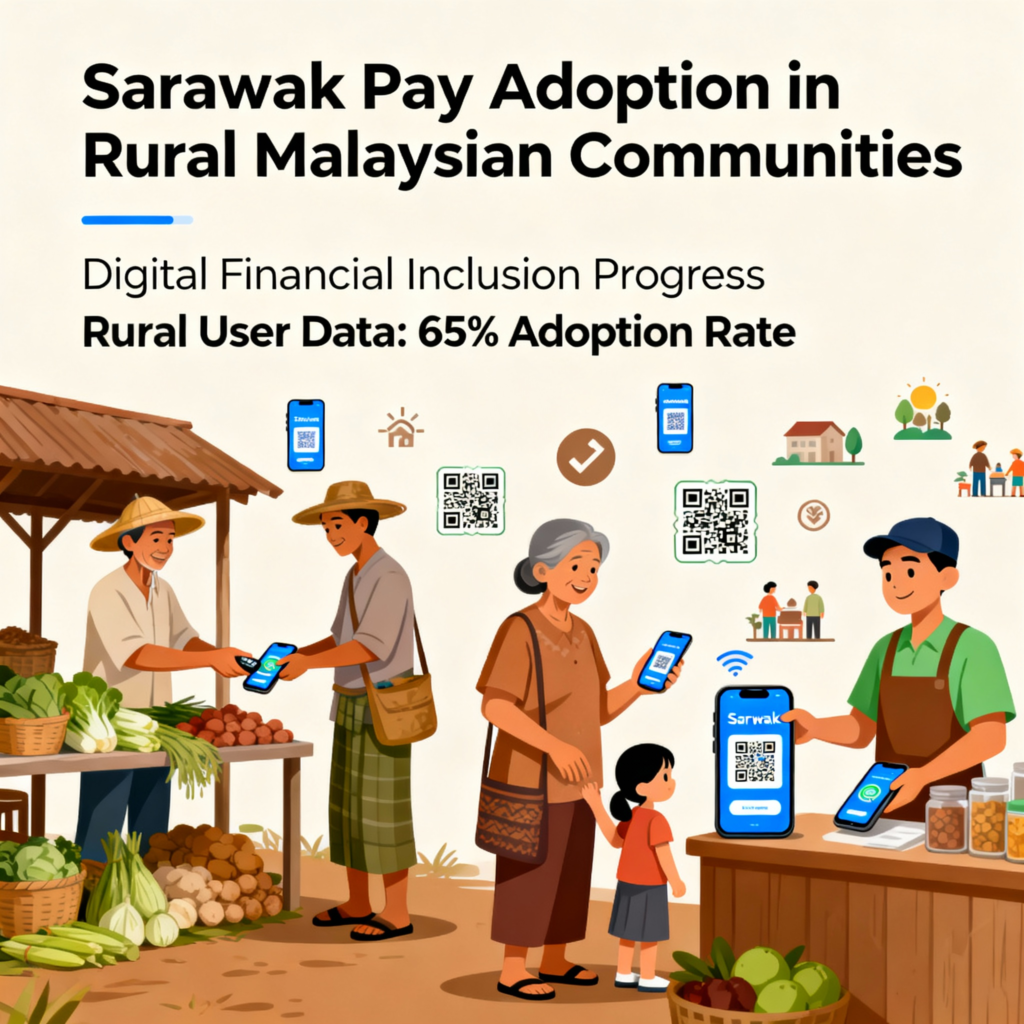
Sarawak Pay Implementation Framework
Government-Led Digital Transformation
The Sarawak Government’s aggressive digital transformation mandate aims to boost e-commerce industry development through comprehensive digital wallet adoption.
Key Success Factors Identified:
Perceived Usefulness and Ease of Use: Research demonstrates that perceived usefulness, perceived ease of use, and perceived risk significantly impact Sarawak Pay adoption among 204 respondents in Kuching.
Technology Acceptance Model (TAM) Application: The expanded TAM framework incorporating risk and reward perceptions provides comprehensive understanding of adoption determinants.
Community-Centric Design: S Pay Global evaluation among UNIMAS students and merchants reveals Scan & Pay feature as crucial component alongside user-friendly, customizable dashboard.
Rural Adoption Determinants
Malaysian Rural Digital Payment Research identifies four critical factors influencing cashless transaction adoption: aasmr
Infrastructure and Connectivity (β ≈ 0.17, p < 0.01): Significant positive effect on cashless payment likelihood, emphasizing foundational infrastructure importance.
Digital Literacy (β ≈ 0.34, p < 0.001): Strongest predictor of adoption, highlighting education and capacity building priorities.
User-Friendly Interfaces (β ≈ 0.21, p < 0.01): Significant positive influence on adoption likelihood, emphasizing design importance.
Local Merchant Acceptance (β ≈ 0.03, p = 0.678): Non-significant influence, suggesting supply-side factors secondary to user-side enablers.
Comparative Analysis: Malaysia vs. India
Successful Implementation Elements:
Government Commitment: Both Sarawak’s state-level initiative and India’s national Digital India mission demonstrate strong policy support importance.
Technology Integration: Malaysia’s focus on user experience aligns with India’s UPI emphasis on simplicity and interoperability.
Rural Focus: Sarawak’s rural community targeting provides insights for India’s 65% rural population digital inclusion challenges.
Risk Mitigation Strategies:
- Perceived security concerns addressed through transparent communication
- Trust building initiatives essential for overcoming adoption barriers
- Local language support critical for inclusive participation
India’s Strategic Opportunities: Learning from Global Best Practices
Fintech Innovation Ecosystem
Regulatory Sandbox Expansion
Innovation-Friendly Environment: RBI’s regulatory sandbox enables fintech experimentation while maintaining consumer protection standards.
Startup Ecosystem Support: Government backing from NITI Aayog combined with venture capital investment creates robust innovation environment.
Technology Integration Priorities:
- AI and machine learning integration for personalized financial services
- Blockchain applications enhancing transaction security and transparency
- IoT connectivity enabling smart payment systems
Rural-Urban Integration Strategies
Comprehensive Financial Inclusion
JAM Trinity Optimization: Maximizing Jan-Dhan, Aadhaar, and Mobile convergence for seamless financial service delivery.
MSME Credit Channel Enhancement: Alternative data-driven credit scoring expanding access to formal financial systems.
Agricultural Finance Innovation: Climate-resilient financial products supporting farmer income stability through digital channels.
International Cooperation and Knowledge Sharing
South-South Learning Networks
BRICS Fintech Collaboration: Cross-border payment systems development with emerging economies sharing similar challenges.
ASEAN Digital Payment Integration: Learning from successful regional models like Sarawak for rural digital adoption strategies.
Technology Export Opportunities: UPI model licensing to other developing countries seeking digital payment infrastructure.
Conclusion: Charting India’s Digital Payment Future
India’s digital payment revolution has achieved unprecedented scale, with UPI transactions growing at 114% CAGR and the fintech market projected to reach $990 billion by 2032. This transformation represents more than technological advancement—it embodies democratic financial inclusion and economic empowerment for millions of citizens.
Malaysia’s Sarawak model offers valuable insights: perceived usefulness, ease of use, and digital literacy emerge as primary adoption drivers, while infrastructure quality and user-friendly design prove more critical than merchant network expansion alone. These lessons directly apply to India’s challenge of connecting 65% rural population to digital financial services.
The policy framework foundation is strong: JAM Trinity architecture, DBT expansion, and RBI’s security guidelines create robust infrastructure for continued growth. However, digital divide challenges persist, with only 41.75% rural internet penetration and significant gender disparities in digital access.
Success requires sustained commitment to infrastructure investment, digital literacy expansion, and inclusive policy design. The $990 billion opportunity will materialize only through comprehensive approaches addressing both technological capabilities and socio-economic barriers to adoption.
India’s digital payment journey demonstrates that transformative change is possible when government vision, private sector innovation, and community engagement converge. The lessons from Sarawak’s focused rural strategy combined with India’s scale and diversity can create a globally replicable model for digital financial inclusion.
The future depends on choices made today: prioritizing rural connectivity, women’s digital empowerment, and cybersecurity frameworks will determine whether India’s fintech revolution truly becomes inclusive and sustainable.







+ There are no comments
Add yours