
India’s strategic aspirations, economic growth, and social stability depend upon secure borders. Yet the enduring menace of cross-border terrorism, emanating primarily from Pakistan, continues to strike at the core of India’s sovereignty. It not only undermines the constitutional guarantee of life under Article 21, but also frays communal harmony and diverts vital resources away from development into security expenditure.
From the 1989–90 Kashmir insurgency to the 2001 Parliament attack, the 2008 Mumbai strikes, the 2016 Uri assault, 2019 Pulwama suicide bombing, and the 2021 drone attack on Jammu, the tactics of Pakistan-based groups have evolved with striking agility. India has responded through calibrated military action (surgical strikes, Balakot airstrikes), sophisticated border-management infrastructure, and intelligence reforms. Yet terrorism persists, exacting a high human and economic toll.
Historical Evolution and Contemporary Context
Early Manifestations: “Bleeding India by a Thousand Cuts”
Pakistan’s doctrine of sub-conventional warfare dates back to the late 1980s. The Afghan jihad’s residue provided a ready pool of militants, weapons, and covert networks, which Pakistan’s intelligence agencies redirected towards Kashmir (Brahma Chellaney, India’s Counterterrorism Dilemma, 2016).
- 1989–90 insurgency: The first large-scale externally supported violence in J&K.
- Objective: Internationalise the Kashmir dispute, psychologically stretch India’s military, and slow India’s rise.
- Tactic: Proxy outfits like Hizbul Mujahideen, later replaced by Lashkar-e-Taiba (LeT), Jaish-e-Mohammed (JeM).
UPSC Link: GS Paper II – India & neighbourhood, GS Paper III – Role of external state/non-state actors.
Post-Kargil Escalation and Symbolic Targeting
- 1999 Kargil War: Blend of regular Pakistani soldiers with irregular infiltration. Nuclear deterrence emboldened Islamabad to take risks.
- 2001 Parliament Attack: Direct assault on India’s democracy.
- 2008 Mumbai Attacks: Orchestrated urban terrorism — 166 deaths, $1.5 billion economic loss (World Bank estimate, 2009).
Despite global outrage, Pakistan’s “deep state” persisted with this low-cost, high-impact strategy.
Recent Trends: Technology and Lethality
- 2016 Uri Attack: 19 soldiers killed, highest Army fatalities in decades.
- 2019 Pulwama Attack: 40 CRPF personnel killed; JeM claimed responsibility.
- 2021 Jammu Drone Attack: First weaponised drone infiltration in India.
Emerging Patterns:
- Cross-border handlers continue financing & training.
- Indigenous radicalisation via social media, encrypted apps.
- Technology diffusion — drones, GPS, deepfakes — lowers costs, raises surprise potential.
SATP Data: 2022 witnessed 114 terrorist incidents in J&K, down from 228 in 2018, but drone-based arms drops increased (SATP, 2023).
Domestic Ramifications and Human Security
Demographic Fault-lines
- Jammu & Kashmir faces the brunt, but Punjab, Rajasthan, and Gujarat have seen arms drops and infiltration.
- Border districts lag behind in HDI and income. Example: Kupwara’s per-capita income is 40% below national average (NITI Aayog, 2021).
Socio-Economic Fallout
- Tourism disruptions: Kashmir lost ~₹5,000 crore in potential tourism revenue after Pulwama (Assocham, 2019).
- Guns vs Butter trade-off: Defence expenditure is 2.4% of GDP (SIPRI, 2022), diverting funds from health/education.
Communal Polarisation
- NCRB data shows communal incidents spike post major terror events. Mumbai 2008 and Pulwama saw significant communal tension nationwide.
Internal Displacement
- 50,000+ people displaced from LoC villages since 1990s due to shelling (MoHA, 2022).
- Children lose months of schooling, creating long-term developmental gaps.
Legal and Constitutional Framework
Constitutional Mandate
- Article 21: Right to Life → State’s duty to protect from terror.
- Article 355: Union’s duty to safeguard states against external aggression.
- Union List: Defence & foreign affairs exclusively central subjects.
Case Law: Kartic Chandra v. State of Assam – national security as a prerequisite for rights.
Statutory Instruments
- UAPA (1967, amended 2019) – empowers Centre to designate individuals as terrorists.
- NIA Act (2008) – created a federal agency with nationwide jurisdiction.
- NATGRID & MAC – real-time intelligence fusion.
- NTRO – advanced signals intelligence.
Judicial Oversight
- Supreme Court’s Nandini Sundar judgment: Counter-terror ops must follow proportionality.
- PILs on encounter killings/custodial deaths remind security forces of constitutional ethos.
GS4 Link: Ethics – balancing liberty vs security.
Institutional and Security Responses
Border-Management Architecture
- LoC fencing: Electrified, night-vision enabled, seismic sensors.
- Laser walls: Punjab, Rajasthan.
- Weaknesses: Riverine gaps, tunnels, drones flying above radar horizon.
Military Deterrence
- 2016 Surgical Strikes, 2019 Balakot Airstrikes.
- Critics: Limited behavioural change in Rawalpindi.
Financial Choking
- FATF Grey-list (2018–2022) cut Pakistan’s borrowing capacity by ~30% (IMF, 2022).
- Domestic crackdown: ED seizures of hawala funds in Kerala & Delhi.
Counter-Radicalisation
- Kerala’s Operation Pigeon, Maharashtra’s Khuda Hafiz: Counselling-based models.
- Early success: Low recidivism, but scalability challenges.
International Cooperation and Diplomatic Dimensions
- UNSC: Masood Azhar designation (2019) after Chinese holds.
- FATF: Pakistan grey-listed; compliance monitoring continues.
- SCO-RATS: India shares data despite Pakistan’s presence.
- Bilateral Ceasefire (2021): Reduced shelling but infiltrations continued.
Global Comparison:
- Israel: Iron Dome for drones/rockets.
- UK: “Prevent” strategy for deradicalisation.
- US: Homeland Security fusion centres → useful model for NATGRID expansion.
Challenges and Policy Gaps
- Drone Asymmetry: Cheap quadcopters vs costly anti-drone systems.
- Information Overload: Analysts overwhelmed by data; need AI-based filters.
- Legal Fragmentation: UAPA strong, but witness protection weak in states.
- Socio-Economic Neglect: BADP underfunded; border villages still deprived.
- Diplomatic Constraints: China’s BRI stakes in Pakistan dilute international consensus.
Way Forward
- Smart Walls & Tech Leapfrogging
- Fibre-optic sensing + AI camera analytics.
- Anti-drone rifles with BSF units.
- Expand Punjab pilot project (75% reduction in drone drops).
- Community-Centric Counter-Radicalisation
- Digital literacy → Spot fake news/deepfakes.
- Vocational training + deradicalisation.
- Legal-Judicial Coherence
- Fast-track special terror courts.
- National witness protection statute.
- Diplomatic Coalitions
- “No Safe Havens” initiative linking FATF + Interpol + UNSC sanctions.
- Leverage G20, BRICS to pressure state sponsors.
- Development-Security Balance
- Border Area Development Programme (BADP) expansion.
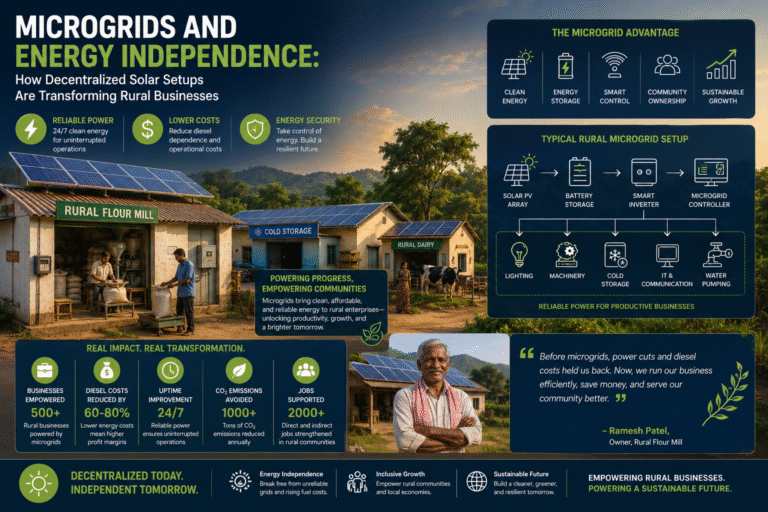
- CSR + private investment in tourism, horticulture, micro-grids.
Conclusion
Cross-border terrorism is neither sporadic nor localised; it is a systematic strategy that seeks to sap India’s economic energy, test communal cohesion, and challenge constitutional promises of life and liberty. Pakistan’s external sanctuaries, combined with accelerating technology diffusion, have rendered traditional deterrence increasingly complex. Yet India’s multidimensional response—spanning precision military action, progressive legal instruments, sophisticated intelligence integration, and strategic diplomacy—illustrates adaptive resilience. To convert resilience into lasting security, India must marry hard-power vigilance with soft-power inclusion, embedding cutting-edge surveillance within empowered border communities, synthesising financial sanctions with moral suasion, and harmonising federal statutes with developmental aspirations. Such a holistic approach will not only blunt the immediate threat but also reaffirm India’s identity as a plural, confident, and forward-looking republic capable of safeguarding its people while upholding democratic ideals in a turbulent neighbourhood.
Practice Material
Mains Qs:
- Critically analyse how drone warfare reshapes India’s counter-terror strategy. Suggest additional measures.
- Evaluate India’s diplomatic toolkit (FATF, UNSC, SCO) in countering cross-border terror.
- Discuss the role of community-centric deradicalisation in complementing kinetic measures.






+ There are no comments
Add yours