Key Highlights:
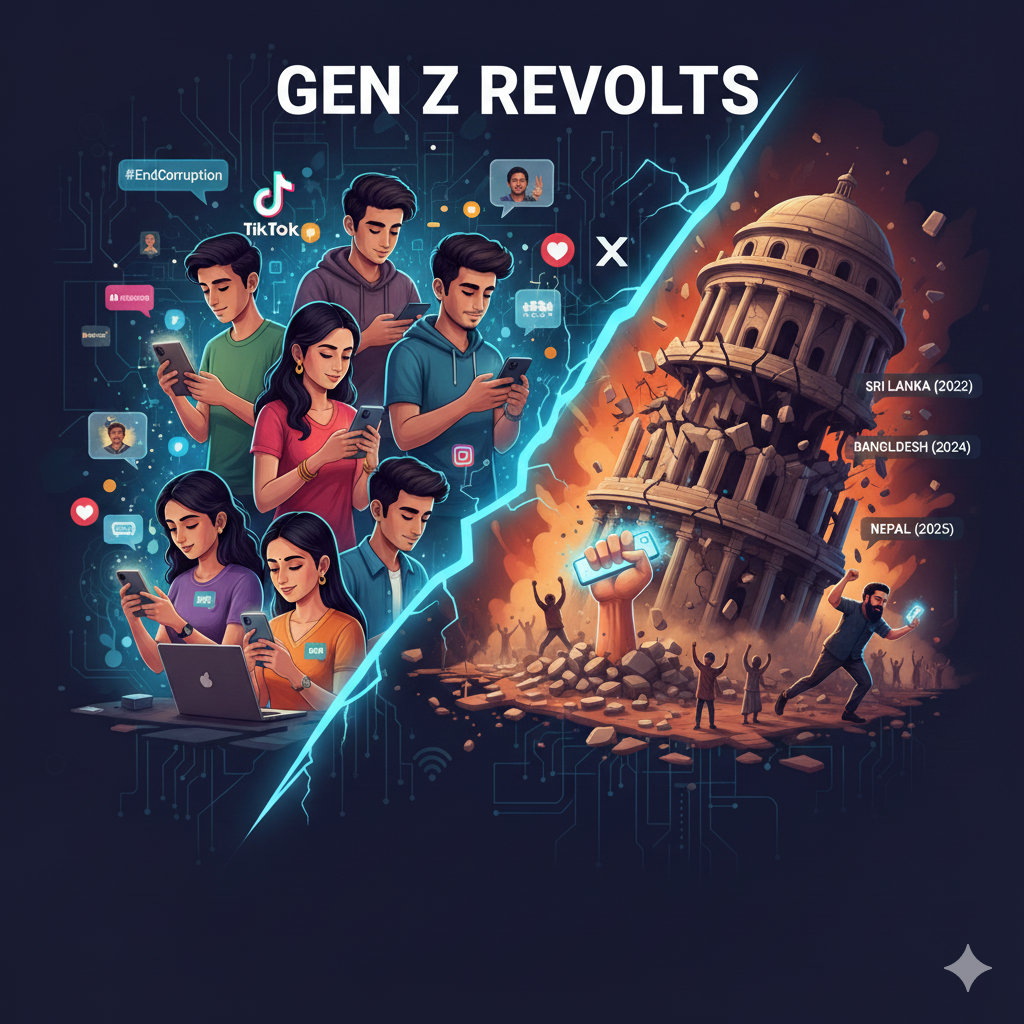
- September 9, 2025: Nepal’s PM K.P. Sharma Oli resigned after just two days of violent Gen Z protests, with at least 72 people killed including 19 young students—marking the deadliest unrest in Nepal in decades
- Bangladesh (July-August 2024): Student-led quota protests ousted PM Sheikh Hasina after 15+ years in power, with 266 deaths including 32 children, forcing her to flee the country
- Sri Lanka (March-July 2022): The Aragalaya movement forced President Gotabaya Rajapaksa to resign after economic collapse, fuel shortages, and 50%+ inflation sparked youth-led mass protests
- Common thread: Digitally coordinated, youth-led movements demanding accountability, transparency, and anti-corruption measures—leveraging hashtags (#GoHomeGota, #nepobabies), livestreaming, and memes as protest tools
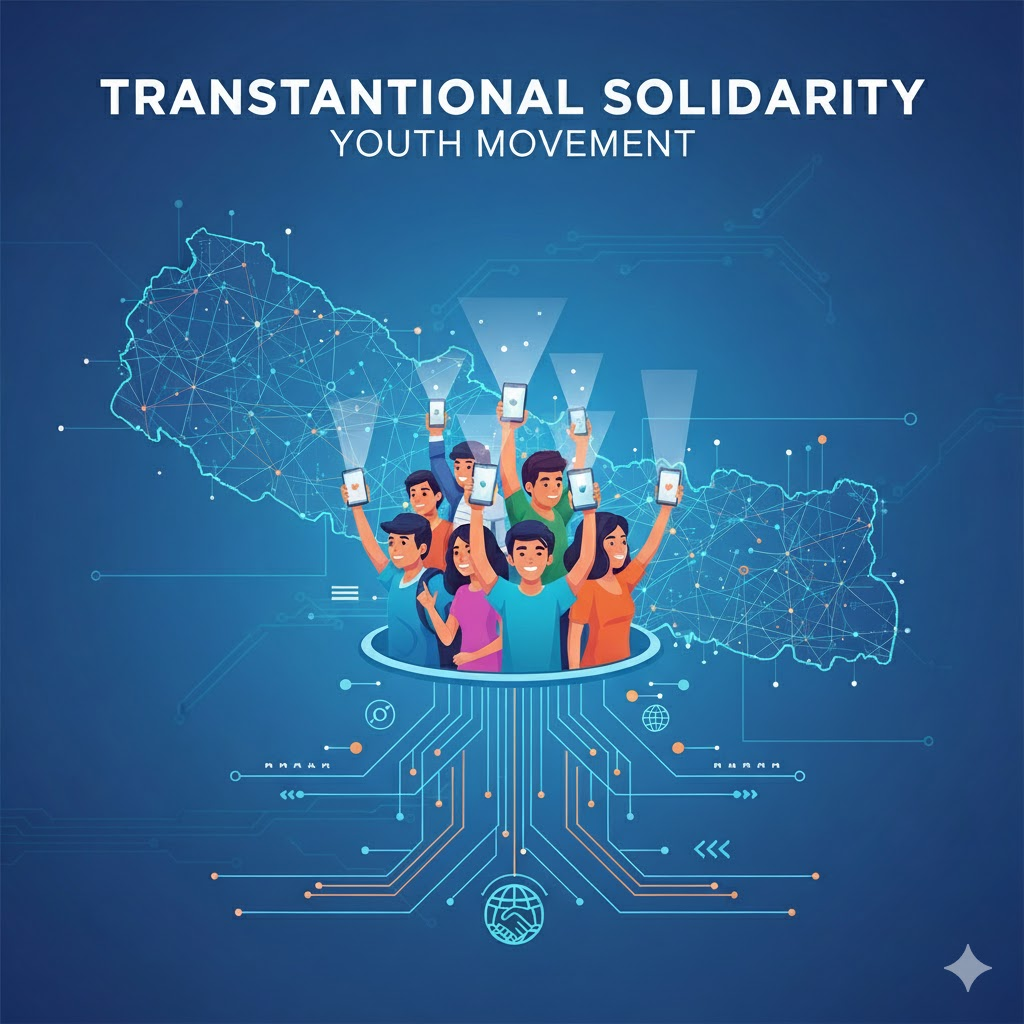
- Transnational learning: Nepali youth closely monitored Sri Lanka and Bangladesh movements, replicating tactics and strategies across borders through digital networks
A Generational Reckoning
On Monday, September 8, 2025, thousands of young Nepalis flooded the streets of Kathmandu, their smartphones held high, livestreaming confrontations with police in real-time. By Tuesday, September 9, Prime Minister K.P. Sharma Oli had resigned. The parliament building was in flames. At least 72 people lay dead, including a 12-year-old child and 19 young students. Former prime ministers’ homes were torched, politicians were assaulted and stripped, and 900 inmates escaped from two prisons.
This wasn’t a sudden eruption—it was a generational reckoning.
What began as frustration over a social media ban quickly morphed into a full-scale uprising against corruption, nepotism (branded #nepobabies), and a political elite perceived as disconnected from youth realities. The movement echoed similar Gen Z-led revolts that toppled governments in Sri Lanka (2022) and Bangladesh (2024). lpeproject
These youth movements represent a paradigm shift in South Asian politics: digitally native, transnational, leaderless yet coordinated, and uncompromising in their demands for accountability. This isn’t just about social media—it’s about a generation feeling “short-changed” by political systems that have failed to deliver prosperity, opportunity, or basic dignity.
Gen Z: The Digital Native Generation
Demographic Profile
Born between 1997-2012, Gen Z is the first truly digital native generation—growing up with smartphones, social media, and instant global connectivity. They matured amidst the 2008 financial crisis aftermath, witnessing increased inequality, the climate crisis, and the COVID-19 pandemic exposing systemic governance failures.
Youth bulge in South Asia:
- Nepal: 16-40 age group comprises 40.68% of population
- Bangladesh: 15-29 age group 25%; nearly 32 million young people out of work or education from 170 million population voanews
- Sri Lanka: 15-29 age group 23.6%
Defining Characteristics
Tech-Savvy and Digitally Connected:
- Social media as primary communication, mobilization, information-sharing platform
- TikTok, Instagram, X (Twitter), encrypted chat groups coordinating real-time logistics
- Livestreaming protests keeping the world watching; memes as protest symbols (#nepobabies, #GoHomeGota)
Politically Aware Yet Disillusioned:
- Higher political awareness than preceding generations despite disillusionment with conventional politics
- Issue-based activism: Climate justice, racial equity, labor rights, anti-corruption
- Cherishing democratic values even while wary of liberal representative democracy
Transnational Connectivity:
- Learning from, drawing inspiration from movements across borders
- Replicating tactics, sharing strategies via digital networks
- “Nepali youth closely monitoring Sri Lanka, Bangladesh movements”
Feeling “Short-Changed”:
- Perceiving that needs overlooked; future compromised by previous generations’ failures
- Economic instability, unemployment, inequality fueling frustration
- “Revolution of rising expectations” unfulfilled by governance structures
South Asian Gen Z Revolts: Comparative Analysis
Sri Lanka: The Aragalaya (2022)
The Struggle Begins:
In March 2022, Sri Lanka descended into economic chaos—foreign reserves depleted, fuel/food shortages, 50%+ inflation, daily blackouts. The crisis exposed decades of economic mismanagement by the Rajapaksa family, which had dominated Sri Lankan politics for 20 years. carnegieendowment
Youth-Led Uprising:
- Protesters, mostly young, established GotaGoGama (Gota Go Village) at Galle Face Green in Colombo—a permanent protest site with mobile toilets, health facilities, library, and community kitchen
- Chanted slogans: “Go Home Gota,” “Go Home Rajapaksas,” “Aragalayata Jaya Wewa” (Victory to the struggle)
- Hashtag #GoHomeGota (coined by activist Pathum Kerner in December 2021) trended internationally
- By mid-April, 240 protests of varying sizes erupted around the country
Government Response:
- Three states of emergency declared; military given authority to arrest civilians
- Social media ban in April—perceived to have backfired, lifting same day after international outcry
- May 9: Government supporters attacked peaceful protesters; 8 people killed, 80+ parliament members’ houses damaged in retaliation
Outcome:
- President Gotabaya Rajapaksa resigned and fled the country in July 2022
- Transitional government; fiscal reforms initiated
- Partial success but ongoing economic challenges
Bangladesh: The Student Revolution (2024)
The Catalyst:
In June 2024, Bangladesh’s Supreme Court reinstated a 30% job quota for descendants of 1971 Liberation War veterans—a provision seen as political patronage favoring PM Sheikh Hasina’s Awami League party.
Broader Grievances:
- 15+ years of Hasina’s rule marked by allegations of corruption, authoritarian governance, rigged elections
- Youth unemployment crisis: 32 million young people out of work/education
- Economic stagnation, 10% inflation, shrinking dollar reserves
The Uprising:
- Initially peaceful quota protests beginning July 1, 2024
- Hasina’s incendiary speech calling students “rajakaar” (pro-Pakistan collaborators) inflamed tensions
- Bangladesh Chhatra League (Awami League’s armed student wing) attacked protesters with tear gas, live bullets supported by police and Rapid Action Battalion
- Video of slain student Abu Sayeed circulating online galvanized mass participation
Government Crackdown:
- Schools/universities closed; curfew imposed; internet and telecommunications cut
- Student leaders arrested, coerced to withdraw demands
- 266 people killed, including 32 children
Outcome:
- Mass uprising demanding Hasina’s resignation; thousands marched to Dhaka defying curfew
- August 5, 2024: Sheikh Hasina fled the country; government ousted
- Interim leadership but instability persists; weak opposition, military interference
Nepal: The #NepoBabies Revolt (September 2025)

The Trigger:
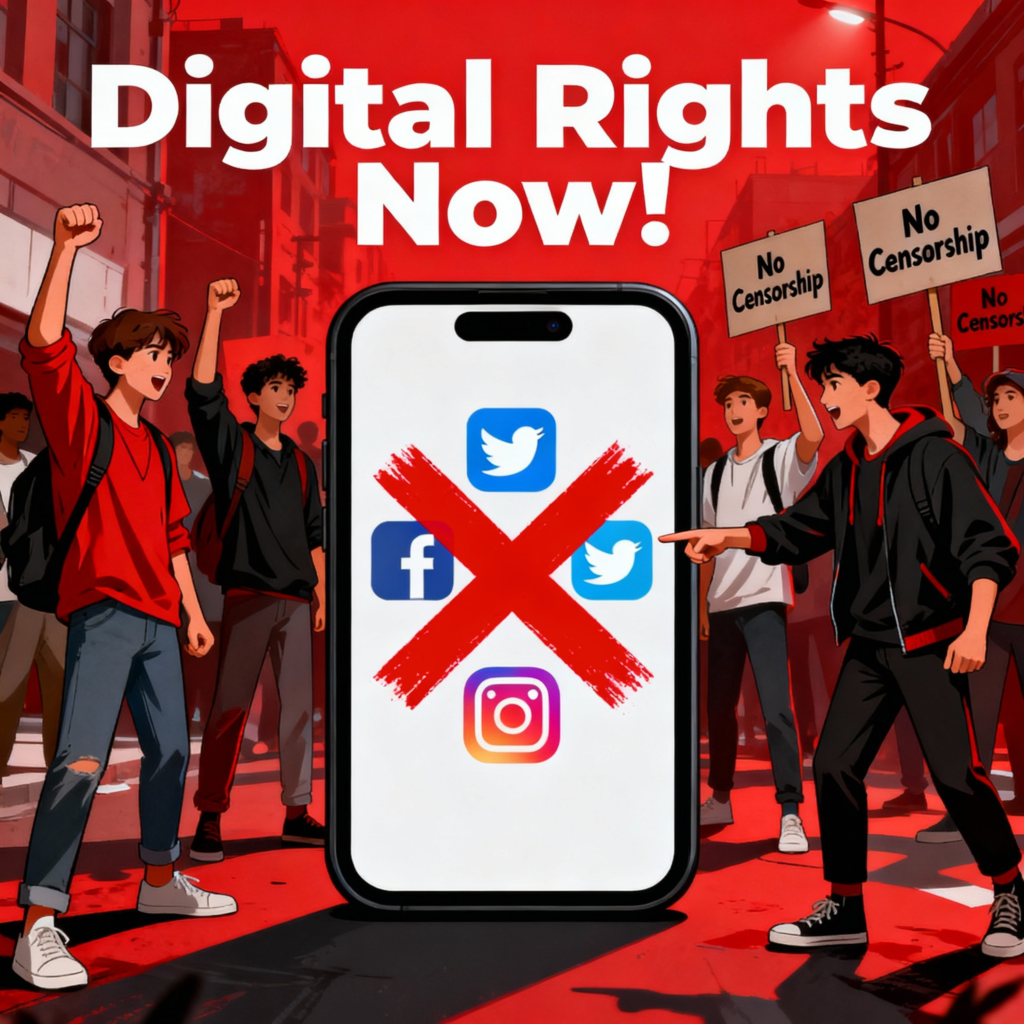
In early September 2025, the Nepali government banned 26 social media platforms—including Instagram, Facebook, WhatsApp—ostensibly for not registering with authorities. Critics accused the administration of suppressing an anti-corruption movement.
But social media was merely the spark. Long-simmering discontent fueled the explosion:
- Political elite corruption, nepotism (#nepobabies) dominating discourse
- Children of political leaders’ ostentatious lifestyles (designer items, luxury vacations) contrasting with masses’ struggles
- Youth unemployment crisis; millions seeking work abroad in Middle East, South Korea, Malaysia
Two Days That Shook Nepal:
Monday, September 8:
- Tens of thousands of young protesters flooded Kathmandu streets
- Clashes with police deploying tear gas, water cannons, live ammunition
- Protesters attempting to breach parliament walls
- 19 people killed; nearly 200 injured
- Government lifted social media ban Monday night—too late
Tuesday, September 9:
- Protests intensified despite ban lift
- Parliament building set ablaze; thick black smoke over Kathmandu
- Homes of at least five former PMs (Oli, Prachanda, Deuba, Madhav Nepal, Khanal) torched
- Rajyalaxmi Chitrakar (wife of former PM Khanal) died of burn injuries
- Former PM Sher Bahadur Deuba and wife (Foreign Minister Arzu Deuba) assaulted
- Finance Minister Bishnu Paudel and MP Eknath Dhakal stripped and paraded
- 900 inmates escaped from two prisons in western districts
- Three more deaths; total toll 22+ (later revised to 72, including 19 students)
- PM Oli resigned: “To facilitate a solution to the problem and to help resolve it politically”
Aftermath:
- Nepal Army stepped in; General Ashok Raj Sigdel warned institutions prepared to “regain control” if unrest persisted
- Sushila Karki appointed interim PM on September 12
- Protests died down by September 13
- Political void; future leadership uncertain
Protest Characteristics:
- Decentralized, leaderless; protesters united under anti-corruption banner but no formal leadership structure
- #nepobabies hashtag targeting elite nepotism; easily shareable, resonant
- Livestreaming, TikTok dances, memes amplifying voices
- Transnational learning: Closely monitoring Sri Lanka, Bangladesh movements
Common Threads Across South Asian Gen Z Revolts
Shared Grievances
Ruling Elites Perceived as Corrupt, Disconnected:
- Ostentatious elite lifestyles contrasting with poverty
- Endemic corruption; political leaders enriching families, cronies
- Lack of accountability; investigations stalled, prosecutions rare
Economic Failures:
- Youth unemployment crisis; educated graduates jobless
- Rising inequality; wealth gaps widening
- Economic instability: Inflation, stagnant wages, lack of opportunity
Democratic Processes Perverted:
Digital Mobilization
Social Media as Organizing Tool:
- Hashtag campaigns creating solidarity, visibility (#GoHomeGota, #nepobabies, #EngageThePresident)
- Real-time coordination; encrypted messaging coordinating logistics
- Livestreaming keeping pressure, visibility; documenting violence
- Memes, viral content mobilizing rapidly
Government Censorship Backfiring:
- Sri Lanka’s April 2022 social media ban lifted same day after international outcry
- Nepal’s September 2025 ban igniting protests rather than suppressing
Transnational Learning
Movements Observing, Learning from One Another:
- “Nepali youth closely monitoring Sri Lanka, Bangladesh movements”
- Shared playbook: Digital tactics replicable globally
- Global solidarity movements transcending geographic boundaries
Global Phenomenon: Beyond South Asia
Southeast Asia
Indonesia (2025):
- Gig workers protesting welfare cuts; students denouncing lawmakers ignoring economic hardships
- Public outrage over Parliament housing allowances 10x minimum wage
Thailand (2020-2021):
Africa
Kenya (2024):
- Anti-tax law protests; #EngageThePresident X Space where President Ruto engaged Gen Z at height of demonstrations
- Gen Z emerging as fragmented but powerful subject
Arab Spring (2010-2011)
Precursor to current wave; youth-led uprisings toppling governments across Middle East/North Africa.
Drivers of Gen Z Governance Crisis
Economic Factors
Rising Inequality:
- Wealth gaps widening; ruling elites enriching while masses struggle
- COVID-19 pandemic exposing, exacerbating inequalities
Lack of Opportunities:
- Youth unemployment crisis; educated graduates jobless
- Social mobility constrained by nepotism, patronage networks
- Perception of future compromised; “short-changed” generation
Political Failures
Corruption and Elite Impunity:
- Endemic corruption; political leaders enriching families, cronies
- Ostentatious elite lifestyles contrasting with poverty
Weak Institutions:
- Personality-centric power structures; weak democratic institutions
- Perverted democratic processes: Rigged elections, suppressed opposition
Unresponsive Governance:
- Governments failing to deliver “plausible path” to prosperity
- “Revolution of rising expectations” unmet
Digital Catalysts
Social Media as Political Site:
- Transformation from entertainment/networking to political battleground
- Lowering barriers to collective action; rapid mobilization
- Livestreaming creating transparency, accountability pressure
Information Flows:
- Youth accessing alternative information sources bypassing state propaganda
- Transnational connectivity enabling learning, solidarity
Characteristics of Gen Z Digital Activism
Defining Features
1. Decentralized Leadership:
- Loose, horizontal structures; no single charismatic leader
- Grassroots participation; student groups issuing demands
- Contrast with traditional hierarchical movements
2. Social Media-Driven Coordination:
- Hashtag campaigns creating solidarity (#GoHomeGota, #nepobabies)
- Encrypted messaging coordinating logistics
- Viral content (memes, videos) mobilizing rapidly
3. Transnational Connectivity:
- Movements inspiring, learning from one another across borders
- Shared playbook: Digital tactics replicable globally
Strategic Innovations
Real-Time Livestreaming:
- Keeping world watching; international pressure on governments
- Documenting violence, human rights violations
Memes as Protest Symbols:
Hybrid Online-Offline Mobilization:
Government Responses: Crackdown to Concession
Repressive Measures
Censorship:
- Social media bans (Sri Lanka, Nepal); internet shutdowns (Bangladesh)
- Backfiring by fueling outrage
Violence:
Conciliatory Approaches
Public Dialogue:
- Kenya’s President Ruto engaging Gen Z on #EngageThePresident X Space
- Mixed success; consultative governance attempts
Resignations and Power Vacuums:
- Leaders resigning (Rajapaksa, Hasina, Oli)
- Political voids filled by unelected leaders, interim governments
- Law and order challenges; instability
Challenges and Critiques
Movement Sustainability
Lack of Institutionalization:
- Decentralized leadership effective for mobilization but challenges for governance transition
- No political party, clear alternative leadership emerging
Post-Protest Instability:
- Sri Lanka, Bangladesh experiencing ongoing challenges post-uprising
- Power vacuums exploited by military, unelected actors
- Promised reforms slow to materialize
Social Media Paradox
Mobilization vs. Governance:
- Social media effective for protest but not governance
- Gap between online activism and offline political participation
External Influence Allegations
“Deep State” Narratives:
- Suspicions of covert orchestration; alleged U.S. involvement to counter China
- Debate: Organic vs. scripted protests
- Similarities across Sri Lanka, Bangladesh, Nepal fueling conspiracy theories
Policy Recommendations: Channeling Youth Energy
1. Institutional Reforms
Anti-Corruption Measures:
- Independent anti-corruption bodies with prosecutorial powers
- Asset declarations, conflict-of-interest regulations
- Fast-track corruption trials
Electoral Reforms:
- Transparent, credible election processes
- Campaign finance regulations limiting money politics
- Youth representation quotas in legislatures
2. Economic Opportunities
Youth Employment:
- Job creation strategies targeting young adults
- Skill development, vocational training aligned with market needs
- Entrepreneurship support, startup ecosystems
Reducing Inequality:
- Progressive taxation, social safety nets
- Universal basic services: Education, healthcare, housing
3. Political Inclusion
Youth Participation Mechanisms:
- Youth parliaments, advisory councils with decision-making roles
- Lowering candidacy age requirements
- Proportional representation ensuring diverse voices
4. Digital Governance
Enabling Environment:
- Protecting digital rights: Freedom of expression, privacy
- Resisting censorship; ensuring open internet
Constructive Engagement:
- Government-youth digital dialogues (Kenya #EngageThePresident model)
- Incorporating social media feedback into policymaking
5. Addressing Root Causes
Good Governance:
- Transparency, accountability as default
- E-governance reducing corruption opportunities
- Performance-based evaluation of officials
Responsive Policies:
- Aligning ruling priorities with Gen Z realities
- Climate action, education reform, healthcare access
Conclusion: A Generation Demanding Change
Gen Z is no longer asking politely—they’re toppling governments.
Sri Lanka (2022), Bangladesh (2024), Nepal (2025)—the pattern is unmistakable. Youth-led, digitally coordinated movements demanding accountability, transparency, and an end to elite impunity.
Nepal’s September 2025 uprising was the most dramatic yet: PM Oli resigned after just two days of protests that left 72 dead, parliament in flames, and political elites in hiding. The trigger—a social media ban—was merely the last straw for a generation watching “Nepo Kids” flaunt luxury while millions struggle.
Common drivers unite these movements: Economic failures, youth unemployment, corruption, nepotism, inequality, unresponsive governance. Digital revolution provides tools: Hashtags (#GoHomeGota, #nepobabies), livestreaming, memes, encrypted coordination. Transnational learning amplifies impact: Nepali youth monitored Sri Lanka, Bangladesh closely, replicating tactics.
Government responses range from violent crackdowns (266 killed in Bangladesh, 72 in Nepal, many in Sri Lanka) to conciliatory dialogues—with mixed effectiveness. Challenges persist: Movement sustainability, post-protest instability, social media paradox, external influence allegations.
Democratic implications remain ambiguous: Potential for renewal or erosion depending on institutional responses. As Nepal’s case demonstrates, not sudden eruption but “generational reckoning”—culmination of accumulated frustration.
For UPSC aspirants, these movements must be analyzed critically—neither romanticized nor dismissed. They represent complex governance challenges requiring nuanced responses: Institutional reforms, economic opportunities, political inclusion, digital rights protection, good governance.
Policymakers face stark choice: Channel youth energy into reforms or gamble with nation’s future through complacency. “Only response to crises in democracy is more democracy”—proactive engagement, not repression.
The transnational wave continues: “Where will protests manifest next?”. Digital age gives Gen Z “tools predecessors could only dream of”—and their patience is not infinite.
Whether movements deliver systemic change remains uncertain but trajectory is clear: Gen Z is not backing down. This is the 15-year wave from Arab Spring to present—representing a new era of youth-led, digitally coordinated activism demanding governments serve citizens, not elites.
Ultimate vision: Transforming governance crisis into renewal opportunity—youth-inclusive, accountable, transparent democracy serving 21st-century aspirations.




+ There are no comments
Add yours