Key Highlights
- Persistent undernutrition burden: Over one-third of Indian children under 5 remain stunted, indicating chronic malnutrition affecting long-term development
- Alarming anaemia prevalence: Two-thirds of children and over half of women are anaemic, with rates increasing rather than decreasing
- Double burden reality: India simultaneously faces undernutrition and rising childhood obesity, creating complex policy challenges
- Massive economic impact: Malnutrition costs India an estimated 4% of GDP annually through productivity losses, healthcare expenses, and reduced human capital
- Intergenerational transmission: Malnourished mothers are more likely to give birth to underweight babies, perpetuating the cycle across generations
A Multi-Dimensional Challenge Demanding Urgent Action
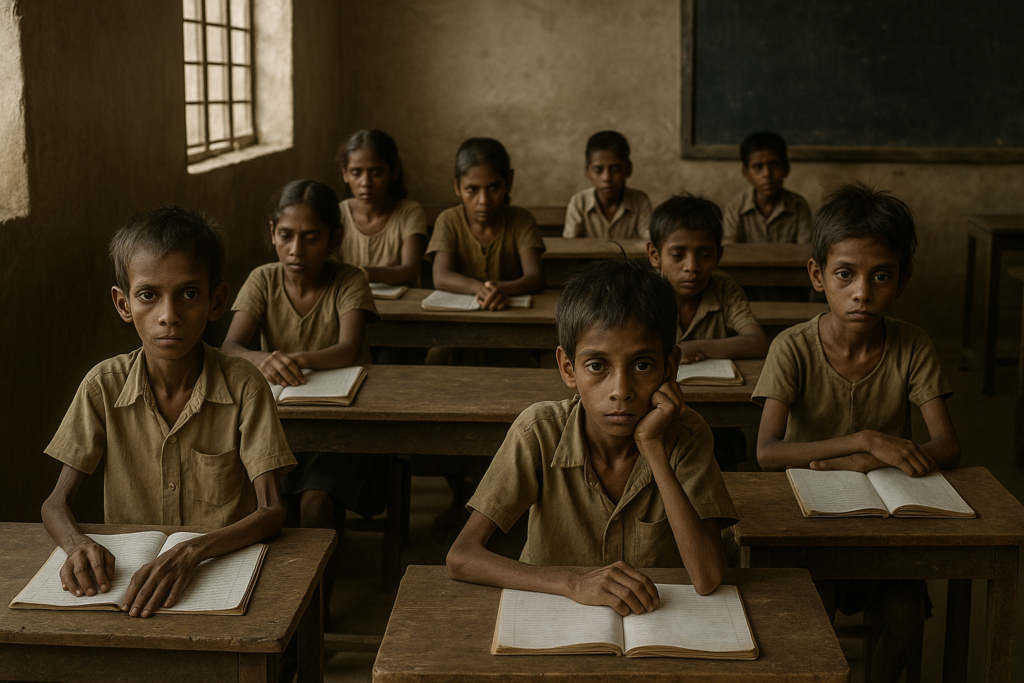
India faces a complex malnutrition paradox that encompasses undernutrition, micronutrient deficiencies, and rising overnutrition. According to the latest National Family Health Survey-5 (2019-21), the statistics paint a concerning picture: 35.5% of children under 5 are stunted, 19.3% are wasted, and 32.1% are underweight. Additionally, 57% of women and 67% of children suffer from anaemia, representing a worsening trend from previous surveys. ijtsrd
Understanding India’s Malnutrition Landscape
The Numbers Behind the Crisis
The NFHS-5 data reveals troubling regional disparities in malnutrition prevalence. Uttar Pradesh reports the highest stunting rates at 46.36%, followed by Lakshadweep at 46.31%. Maharashtra and Madhya Pradesh also show alarming stunting rates exceeding 40%.
Wasting, indicating acute malnutrition, affects 13.22% of children in Lakshadweep, with Bihar and Gujarat reporting rates above 9%. These statistics represent millions of children whose immediate health and future potential remain compromised. pmc.ncbi.nlm.nih
The Anaemia Epidemic
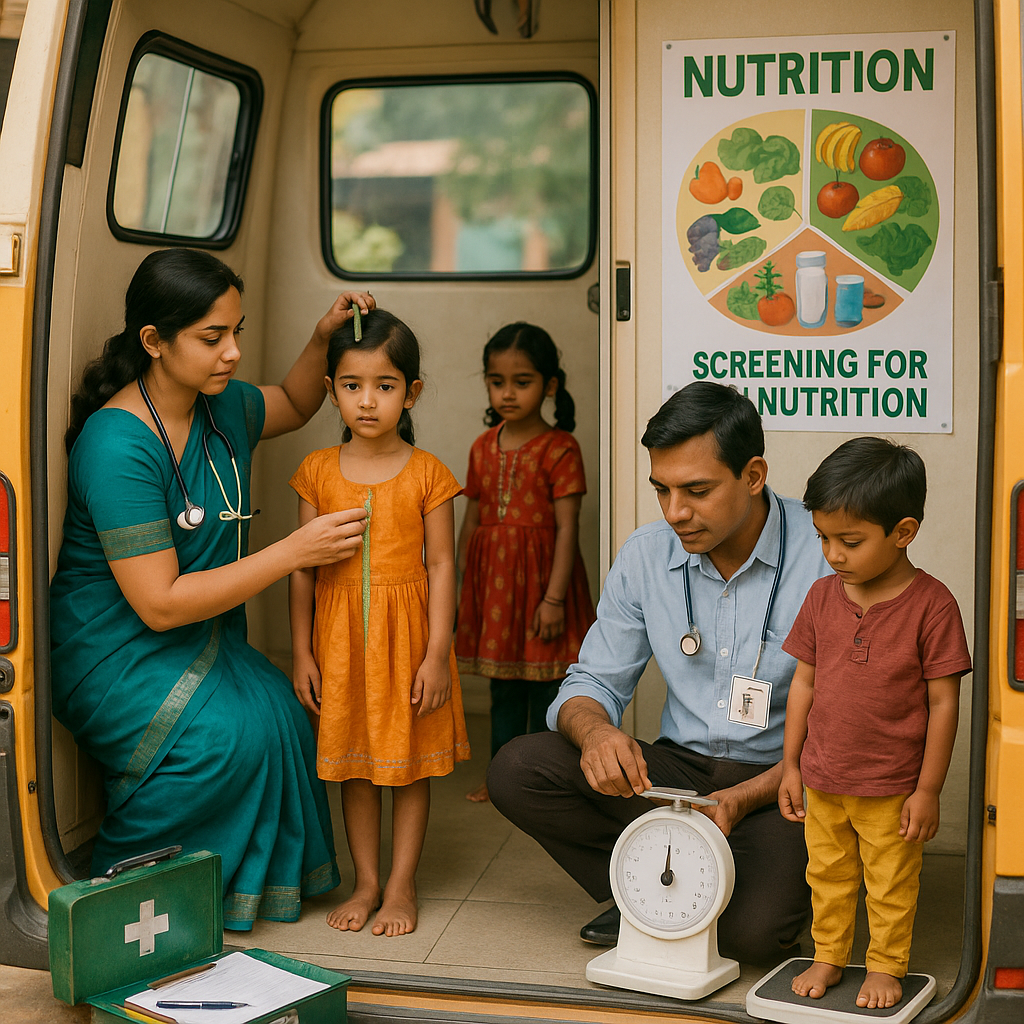
Perhaps more concerning is the deteriorating anaemia situation. Between NFHS-4 and NFHS-5, anaemia prevalence increased from 53% to 57% among women aged 15-49 years. For children aged 6-59 months, the rate jumped from 58.6% to 67.1%.
States like West Bengal show the highest anaemia prevalence at 67.2%, followed by Tripura and Assam. This trend directly contradicts the objectives of the Anaemia Mukt Bharat campaign launched in 2018.
Root Causes: A Complex Web of Factors
Socio-Economic Determinants
Poverty remains the fundamental driver of malnutrition in India. Research indicates that scheduled tribe women, poorest families, and those with multiple children face significantly higher malnutrition risks. Rural populations consistently show worse nutritional outcomes compared to urban areas.
Maternal education emerges as a crucial protective factor. Children of uneducated mothers show substantially higher rates of malnutrition across all indicators. This highlights the intergenerational nature of nutritional challenges.
Infrastructure and Service Delivery Gaps
Poor sanitation and inadequate access to clean water contribute significantly to malnutrition. Studies suggest that more than half of malnutrition stems from poor sanitation rather than food scarcity. This emphasizes the multi-sectoral nature of nutritional interventions required.
Limited dietary diversity particularly affects rural populations. Traditional cereal-based diets often lack essential micronutrients, contributing to hidden hunger despite adequate caloric intake.
Economic Consequences: The True Cost of Inaction
Productivity and Human Capital Losses
The economic impact of malnutrition extends far beyond immediate healthcare costs. Global estimates suggest malnutrition reduces GDP by 1-2% annually through productivity losses alone. For India, this translates to approximately $40 billion in economic losses by 2030.
Stunted children experience significant educational disadvantages. Research demonstrates a 0.7 grade loss in schooling and 22-45% reduction in lifetime earnings for stunted individuals. This creates a vicious cycle where malnutrition perpetuates poverty across generations.
Healthcare System Burden
Malnutrition increases healthcare costs by up to 20% due to increased susceptibility to infections and diseases. Direct healthcare costs related to malnutrition account for approximately 4.2% of GDP, with indirect costs adding another 8%.
Long-term Economic Implications
The World Bank estimates that every dollar invested in nutrition generates returns between $8-138. Conversely, preventing one child from low birth weight saves $580 in future economic benefits.
Studies show that each percentage point reduction in stunting correlates with increased GDP growth of 0.1-0.3 percentage points. This demonstrates nutrition’s critical role in sustainable economic development.
Government Interventions: Progress and Challenges
Major Nutrition Programs
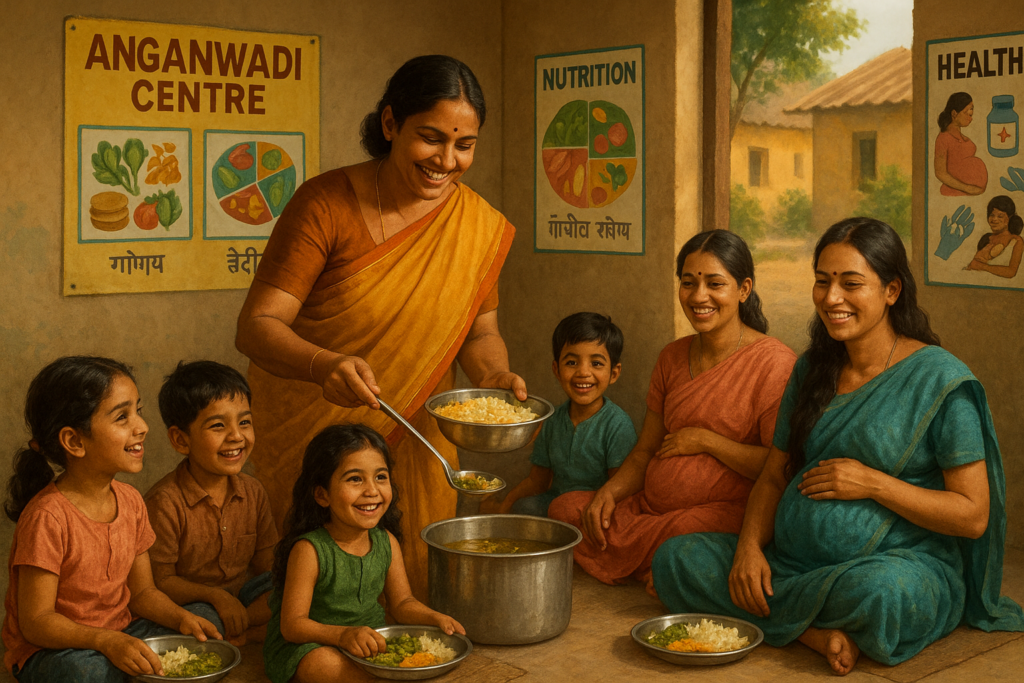
India implements several flagship nutrition initiatives targeting different aspects of malnutrition:
Mission Poshan 2.0 consolidates various nutrition programs under unified management, focusing on maternal nutrition, infant feeding norms, and treatment of severe acute malnutrition.
PM-POSHAN Scheme (formerly Mid-Day Meal Scheme) provides hot cooked meals to 11.8 crore children in 11.2 lakh schools across India. The program aims to improve nutritional status while encouraging school attendance.
Anaemia Mukt Bharat employs a 6x6x6 strategy targeting six vulnerable groups through six interventions via six institutional mechanisms. The program focuses on iron-folic acid supplementation, deworming, and behavior change communication.
Implementation Challenges
Despite comprehensive policy frameworks, coverage gaps persist. Multi-departmental convergence proves challenging, with programs served through health departments showing better coverage than those requiring coordination across sectors.
Supply chain disruptions and inadequate monitoring compromise program effectiveness. The Poshan Tracker system aims to address these issues through digital monitoring of service delivery.
The Double Burden Challenge
Rising Overnutrition Trends
India increasingly faces a double burden of malnutrition with rising childhood obesity alongside persistent undernutrition. Adult overweight/obesity doubled from 10% to 21% between 2006-2016.
This pattern reflects nutrition transition associated with economic growth, urbanization, and dietary changes. Ultra-processed foods and sedentary lifestyles contribute to rising obesity rates, particularly in urban areas and higher socioeconomic groups.
Policy Implications
Addressing the double burden requires dual-purpose strategies that simultaneously combat undernutrition and prevent overnutrition. This includes promoting nutritious food systems, regulating unhealthy food marketing, and encouraging physical activity.
Academic Performance Impact
Educational Consequences
Malnutrition severely impacts cognitive development and academic performance. Studies show moderate negative correlation (r = -0.55) between malnutrition and academic outcomes.
Stunted children face 57% lower odds of good academic performance compared to well-nourished peers. Underweight children show 68% reduced academic performance, while iodine deficiency significantly affects learning capacity.
School Attendance Issues
Malnutrition contributes to higher dropout rates, delayed school entry, and poor class attendance. These educational disruptions further perpetuate the cycle of poverty and undernutrition.
Future Directions and Recommendations
Strengthening Multi-Sectoral Approaches
Effective malnutrition reduction requires convergence across health, education, agriculture, and social protection sectors. WASH (Water, Sanitation, Hygiene) interventions must complement nutrition-specific programs.
Enhancing Monitoring Systems
Real-time monitoring through digital platforms like Poshan Tracker needs expansion and improvement. Regular nutritional assessments and outcome tracking are essential for program effectiveness.
Addressing Social Determinants
Women’s empowerment, education, and economic opportunities remain fundamental to breaking intergenerational malnutrition cycles. Addressing gender inequalities and social discrimination requires sustained attention.
Conclusion
India’s malnutrition crisis represents more than a health challenge—it’s an economic and development emergency that demands immediate, coordinated action. With millions of children’s futures at stake and billions in economic losses annually, the cost of inaction far exceeds investment requirements.
The path forward requires sustained political commitment, adequate resource allocation, and innovative program delivery mechanisms. Success depends on treating malnutrition as a national priority deserving urgent, comprehensive intervention.
✍️ Possible Mains Questions
- “Malnutrition in India is more a governance and implementation issue than a resource issue. Discuss.”
- “Critically examine the role of community-based interventions in tackling child and maternal malnutrition in India.”










+ There are no comments
Add yours