📦 In Short
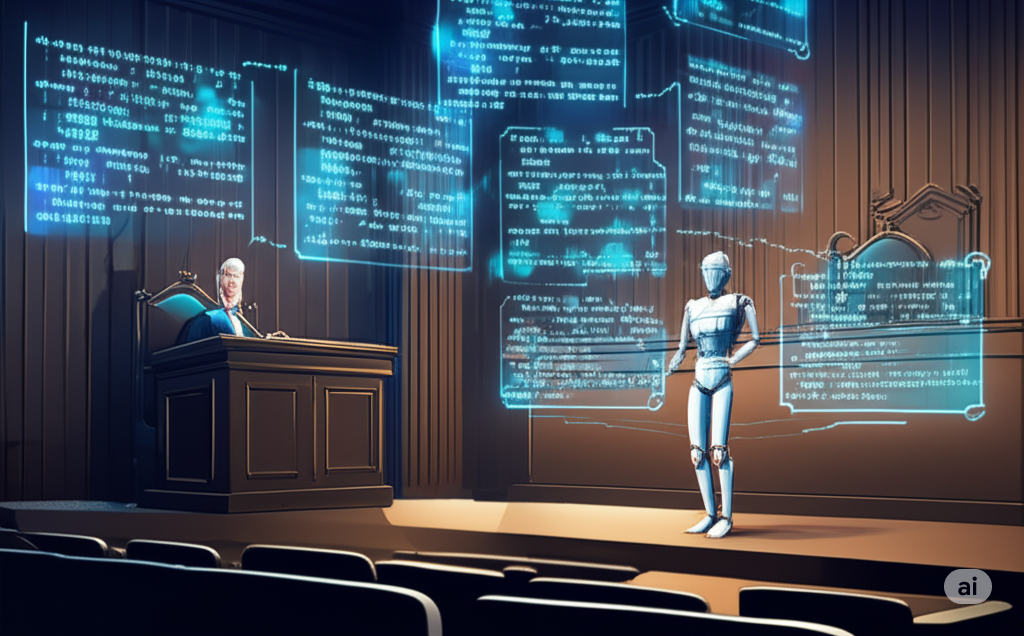
- Courts and lawmakers are debating AI authorship and copyright boundaries.
- Current laws generally exclude non-human creators from holding copyright.
- Questions around ownership, accountability, and originality remain unresolved.
- The rise of Generative AI tools (Gen AI) like ChatGPT and DALL·E raises major legal and ethical concerns.
- The need for updated intellectual property laws has never been more urgent.
🧭 Who’s the Author in the Age of AI?
Can a machine create something original? And if it does—who owns it?
As Generative AI (Gen AI) systems like ChatGPT, DALL·E, and others become capable of producing art, music, articles, and code, the legal world is struggling to catch up. Traditional copyright laws were built on the idea that only humans can be authors. But what happens when AI writes a poem, paints a picture, or composes music?
This blog explores the growing debate over AI-generated content and copyright ownership, the challenges it presents, and what courts and lawmakers are doing to address this 21st-century dilemma.
🧠 What Is Generative AI?
Generative AI refers to machine learning models trained to create original content based on input data. This includes:
- Text (e.g., ChatGPT, Claude)
- Images (e.g., Midjourney, DALL·E)
- Music (e.g., Amper, AIVA)
- Code (e.g., GitHub Copilot)
These tools learn from vast datasets and generate content that often feels indistinguishable from human-made work.
⚖️ Copyright Law: Where It Stands Today
📜 Current Rule: Human Authorship Required
According to most existing copyright laws (e.g., in the U.S., U.K., India, and the EU), only natural persons—i.e., humans—can own copyrights. The U.S. Copyright Office, for instance, has repeatedly rejected claims for AI-generated works without meaningful human involvement.
🧾 Key Legal Rulings
- Thaler v. U.S. Copyright Office (2022): Rejected AI as author of an artwork.
- India & EU: Also emphasize human originality and intent in copyright attribution.
- UK Consultation (2023): Called for public input on possible reforms regarding AI and copyright.
🔍 The Big Questions Facing Courts and Lawmakers
🤖 1. Who Is the Author?
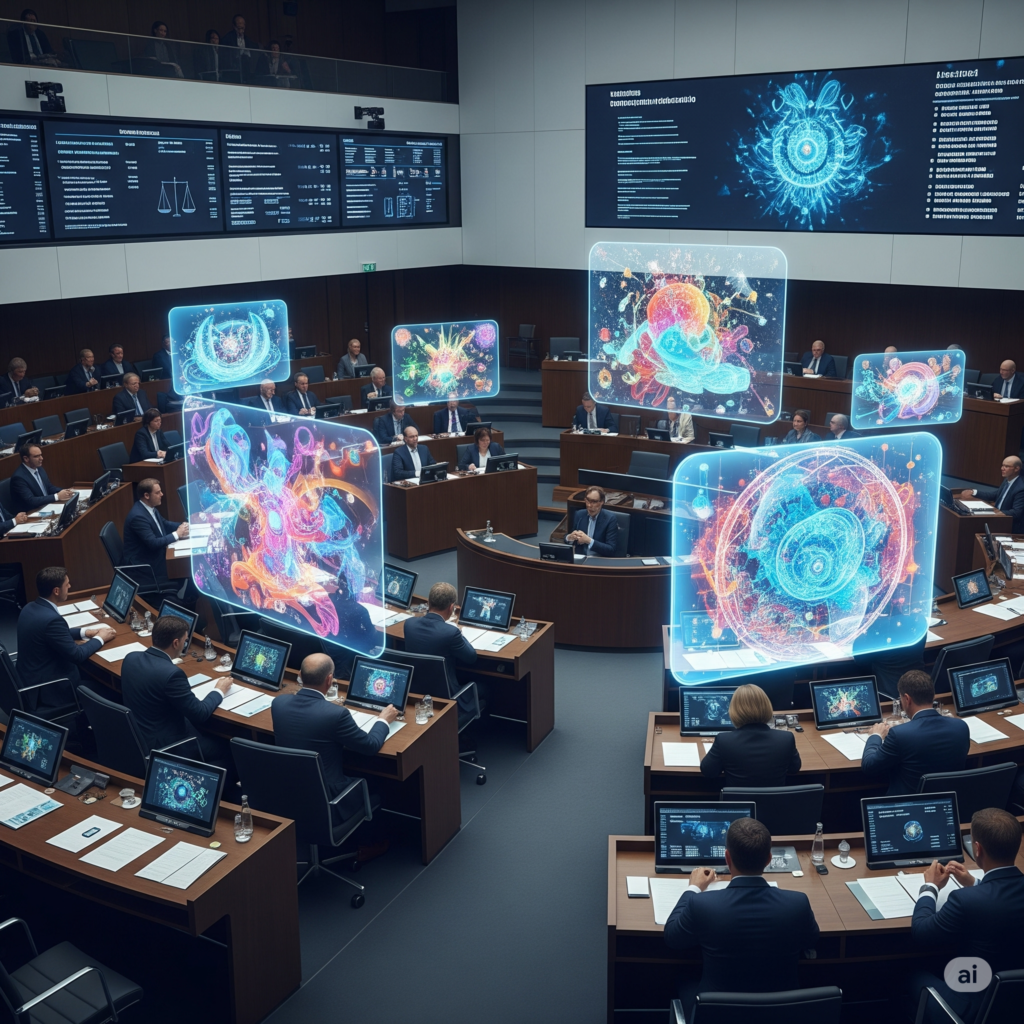
Is it the AI model? The developer who trained it? The user who typed the prompt?
💰 2. Who Owns the Profits?
If a company uses AI to create an advertising campaign or music album, who earns the royalties?
⚠️ 3. Who Is Responsible for Infringement?
If AI-generated content copies copyrighted material, who gets sued—the user, the AI provider, or nobody?
🎭 4. Is It Really Original?
If an AI is trained on millions of existing works, can it truly create something new?
🧩 Legal Grey Zones and Global Dissonance
🌐 No Global Consensus
Countries are taking different approaches:
- China: Moving toward granting copyrights to AI-generated works.
- UK and EU: Exploring limited rights or sui generis protections.
- India: Yet to finalize policies; currently defaults to human authorship.
This legal fragmentation could lead to cross-border copyright confusion and inconsistent protections.
🛠️ Possible Solutions on the Table
✅ Human-AI Co-Creation Models
Grant copyright when a human contributes meaningfully—even if AI assists.
✅ Sui Generis Rights
Create a new category of rights for AI-generated content that isn’t quite copyright, but offers protection.
✅ AI Disclosure Requirements
Mandate that creators disclose when content is AI-generated to avoid misrepresentation.
✅ AI Accountability Frameworks
Ensure platforms and developers share liability if their tools generate infringing content.
📢 Industry Impact: Content, Media, and IP Risks
- Writers, artists, and musicians fear AI will dilute originality and copyright protections.
- Publishers and media firms want clarity before investing in AI tools.
- Startups and developers want legal backing to scale Gen AI products.
Without legal clarity, innovation may stall, and lawsuits may rise.
🔚 Conclusion: Time for a Copyright Revolution?
Generative AI is reshaping creativity—but it’s also challenging the very laws meant to protect it. As machines take on roles once reserved for humans, the legal world must evolve. Judges, lawmakers, and creators need to find a balanced approach that protects human authorship without stifling innovation.
Because in the age of AI, the question is no longer can a machine create?—it’s who owns what it creates?

+ There are no comments
Add yours