
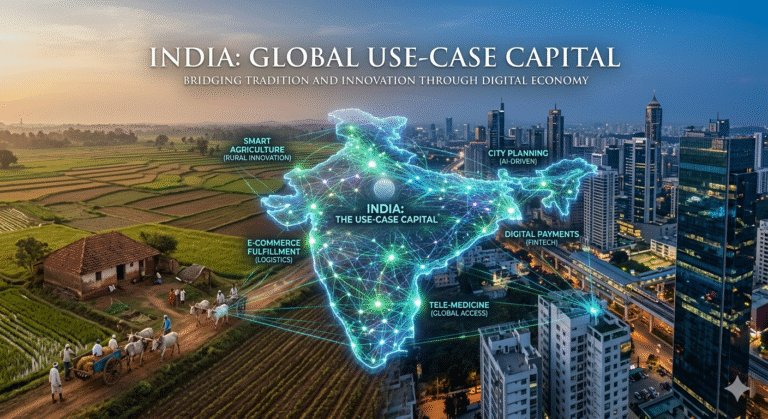
India is on the brink of a digital transformation—one that doesn’t just upgrade technology, but redefines who technology truly serves. With more than 20 official languages and thousands of dialects, India’s diversity is its strength. Yet, this richness has long meant that tech platforms, apps, and AI assistants cater mostly to English or Hindi speakers, leaving millions at the periphery of digital progress. Now, a national effort is underway to develop inclusive AI ecosystems, weaving language diversity and contextual intelligence into every tool. The result? Technological empowerment for everyone—unlocking true digital inclusion across the subcontinent.
Key Highlights
- India is investing in language-diverse AI, creating tools that support local languages and dialects for broad, inclusive access.
- New platforms offer context-aware AI solutions, adapting to regional use-cases, customs, and communication styles.
- Language-inclusive AI breaks the English-centric barrier, enabling e-governance, learning, banking, and health services for all.
- Partnerships with academia, startups, and government fuel innovation, ensuring every community benefits from digital progress.
- Digital inclusion driven by AI advances economic opportunity, social participation, and cultural pride.
The Digital Divide: Why Language Matters in the Age of AI
India’s Linguistic Landscape
- More than 22 official languages.
- Hundreds of spoken dialects and script variations.
- English and Hindi only reach 40% of the population; for the rest, tech solutions are often out of reach.
The Challenge:
Most global tech platforms optimize for English, leaving out local idioms, formats, and cultural cues. This limits access to vital e-services, job opportunities, education, and even social inclusion.
The Opportunity
- AI-driven language support breaks down barriers, enabling users to interact, learn, and transact in their mother tongue.
- True digital empowerment builds not just user numbers, but user belonging.
Mission Inclusive: Building Language-Diverse AI Ecosystems
1. Multilingual Natural Language Processing (NLP)
India’s AI innovators are training models on vast datasets—from government records to WhatsApp texts, local news, and classic literature—to ensure AI understands and responds in dozens of Indian languages.
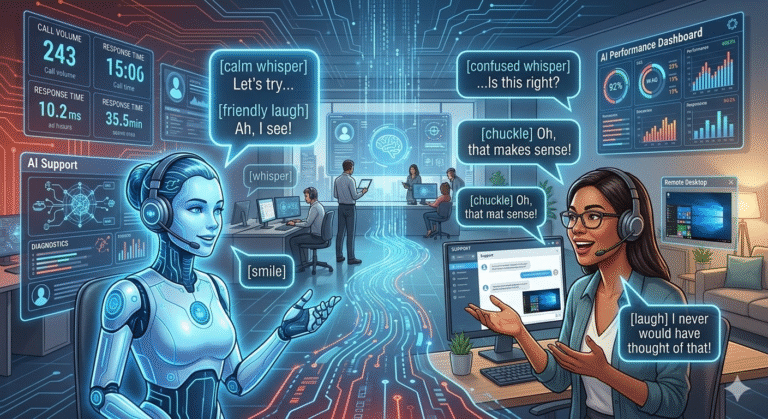
- AI chatbots and assistants (e.g., Bhashini, Project Udaan) converse in Telugu, Bengali, Marathi, Tamil, Malayalam, Oriya, and more.
- Speech recognition and voice-to-text tools are tuned for regional accents, idioms, and hybrid usage (“Hinglish”, “Tanglish”).
2. Context-Aware AI Solutions
Inclusive AI doesn’t just translate words—it grasps context:
- Agritech: Apps giving weather forecasts or crop advice in local terms and timeframes.
- Healthcare: AI-driven diagnosis and appointment systems in vernacular languages boost rural health outcomes.
- Fintech: Digital payments and banking chatbots guide users through step-by-step transactions in their preferred language, using familiar terms.
3. Local Script Support and Accessibility
Tools now support Devanagari, Tamil, Kannada, Gujarati, Bengali scripts and more, lowering the literacy barrier and reaching visually impaired users via text-to-speech outputs.
4. Education and Learning
Edtech platforms are rolling out courses, tutors, and adaptive AI for everything from coding to primary school lessons in regional languages, making digital literacy possible at scale.
Innovation in Action: Who’s Building India’s Language AI?
- Bhashini: India’s national language AI mission, creating open datasets and tools to “empower every Indian to use and create digital content in local language.”
- Karya, Reverie, Sarvam AI: Private startups partnering with state governments, banks, and telecoms to make everyday apps multilingual.
- Academia: Institutes like IIT Madras, IIIT Hyderabad, and C-DAC lead research into natural language processing and AI translation for underrepresented languages.
Government Initiatives:
Projects under Digital India, e-Governance portals, and rural outreach integrate these tools—making e-services accessible and reliable for all.
Transforming Lives: How Inclusive AI Changes the Game
1. Economic Opportunity
- Job applications, small business banking, agricultural advisories, and market access open up for millions when delivered in the language they use daily.
- Rural workers, artisans, and gig economy participants can connect to customers and suppliers via vernacular e-commerce.
2. Education and Social Inclusion
- Children in regional schools gain access to world-class learning, personalized to their context and culture.
- Women, elders, and non-literate citizens are empowered to participate actively—no longer constrained by language barriers.
3. Public Services
- E-Governance: AI-powered chatbots guide users through schemes, subsidies, and forms in local language, reducing dependency on intermediaries.
- Social security, land records, and healthcare data are more transparent and accessible.
Challenges and the Road Ahead
- Data Dilemmas: Building robust AI for diverse languages requires huge, high-quality datasets; many regional tongues remain under-digitized.
- Dialects and Nuance: India’s “language islands” mean contextual tuning is crucial—not just translating, but localizing solutions for culture, values, and economic realities.
- Affordability and Access: While smartphone penetration rises, connectivity gaps in rural and marginalized areas still hinder full participation.
Solutions
- Open data and collaborative labeling (crowdsourcing translation, accent recognition).
- Public-private-academic partnerships for continuous improvement.
- Local champions and outreach for digital education and feedback.
Takeaway: AI for Every Indian—Empowerment Through Diversity
India’s push for language-diverse, context-aware AI ecosystems is about more than just clever algorithms—it’s about social justice, economic growth, and cultural vitality. By respecting every language and ensuring technology bends to the user—not the other way around—India is building a model for true digital inclusion that the world can learn from.






+ There are no comments
Add yours