Customer experience (CX) and digital commerce are shifting from assistive chatbots—which only draft suggested replies for human agents—to Agentic CX, where autonomous systems inspect live customer state and execute policy-approved actions end to end (Firecrawl).
Assistive AI vs. Agentic CX: The Core Difference
- Assistive AI: Reads a support ticket and suggests a reply that a human agent must review, edit, and send, while manually updating billing or shipping systems.
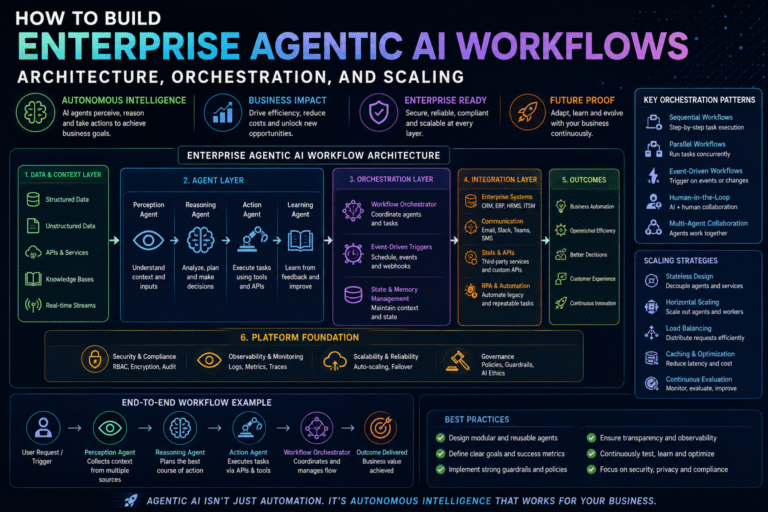
- Agentic CX: Monitors account health proactively, verifies policy eligibility, executes refunds, subscription changes, or delivery reroutes directly via API, and reports the completed outcome (Firecrawl).
Real-World Numbers Driving Adoption in 2026
- Gartner projects that 60% of brands will use agentic AI for 1:1 customer interactions by 2028 (Firecrawl).
- EY estimates that 80% of customer service issues could be resolved independently by 2029, cutting total service costs by 30% (Firecrawl).
- A European energy provider achieved an 18% increase in CSAT after moving from assistive AI to autonomous CX agents handling billing and scheduling (Firecrawl).
- In agentic commerce, AI agents are increasingly handling product discovery, comparison, and checkout workflows on behalf of users (Firecrawl).
Guardrails for Safe Autonomous Commerce
1. Enforce strict monetary caps and policy-engine checks outside the LLM prompt.
2. Require two-step confirmation for irreversible purchases or account cancellations.
3. Maintain full audit logs of every API mutation for dispute resolution.
Internal & Further Reading
Explore how small language models cut inference costs for CX pipelines in our SLMs vs. LLMs for Business Guide.
Frequently Asked Questions
What is Agentic CX?
Agentic CX refers to AI systems that autonomously resolve customer issues—such as refunds, plan changes, and delivery reroutes—within pre-approved business rules, rather than just drafting chat replies (Firecrawl).
How does autonomous commerce stay safe for merchants and buyers?
By combining OAuth-scoped tool access (such as MCP), hard policy guardrails, monetary limits, and explicit user confirmation before checkout.


+ There are no comments
Add yours