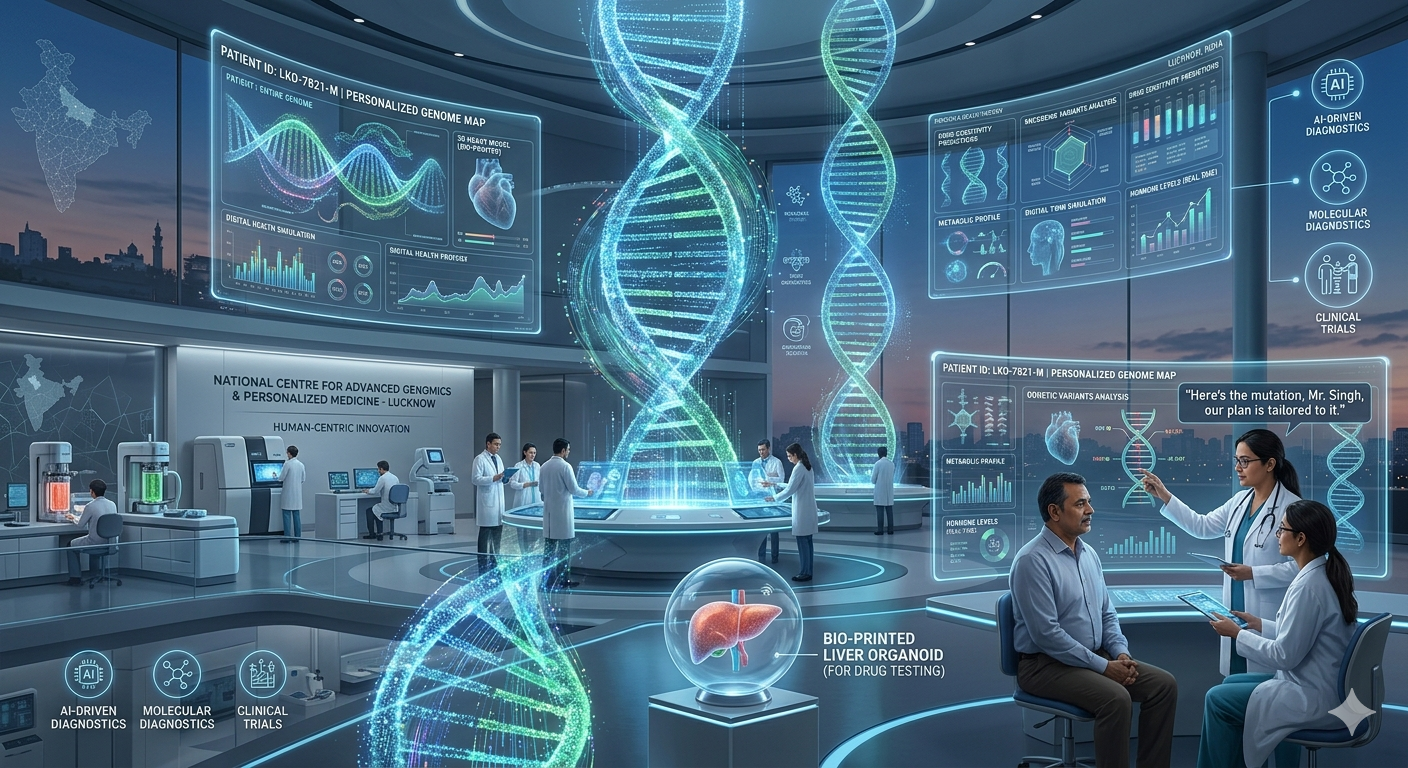
Key Highlights
- Human-centric science shifts focus from drugs to patient outcomes
- India is uniquely positioned due to its strong generic pharma base
- Technology like AI and genomics is enabling personalized medicine
- Policy reforms are pushing innovation and R&D
- Challenges remain in regulation, funding, and infrastructure
A Quiet Revolution in Healthcare
For decades, the pharmaceutical industry has revolved around molecules, patents, and mass production. The goal was simple—develop drugs, scale manufacturing, and distribute globally.
But something fundamental is changing.
India, often called the “pharmacy of the world,” is now stepping into a new phase—one that places humans, not just medicines, at the center of innovation.
This shift toward human-centric science is not just a scientific evolution. It is a philosophical transformation in how healthcare is imagined, delivered, and experienced.
Why This Topic Matters Today
Healthcare systems across the world are under pressure.
- Rising chronic diseases
- Aging populations
- Unequal access to medicines
- Increasing cost of treatment
India faces all these challenges—but at a much larger scale.
The traditional pharma model is no longer enough.
Today’s patients demand:
- Personalized treatments
- Faster drug development
- Affordable healthcare
- Better outcomes, not just prescriptions
This is where human-centric science becomes crucial.
Background: Evolution of India’s Pharma Sector
India’s pharmaceutical journey can be divided into three major phases:
1. Reverse Engineering Era (1970s–1990s)
India became a global leader in generic medicines by reverse-engineering patented drugs.
2. Global Manufacturing Hub (2000s–2015)
India emerged as a major exporter of affordable medicines worldwide.
3. Innovation & Research Phase (2015–Present)
Focus is shifting toward:
- Drug discovery
- Biotechnology
- Advanced therapies
Now, the next leap is human-centric science.
What is Human-Centric Science?
Human-centric science is an approach where:
The patient—not the product—is at the center of healthcare innovation.
Core Principles
- Personalization of treatment
- Integration of technology with medicine
- Focus on outcomes, not just drugs
- Ethical and inclusive healthcare
How It Works in Practice
Human-centric science combines multiple domains:
1. Data-Driven Medicine
Using patient data to predict disease and treatment response
2. Personalized Therapies
Tailoring drugs based on genetic and lifestyle factors
3. Digital Health Integration
Wearables, telemedicine, and health apps
4. Preventive Healthcare
Shifting focus from treatment to prevention
Key Stakeholders Involved
- Pharmaceutical companies
- Biotechnology firms
- Government bodies
- Research institutions
- Healthcare providers
- Patients themselves
Technical Breakdown: Simplifying the Concept
Let’s break it down into simpler elements:
A. Genomics
Study of genes to create personalized treatments
B. Artificial Intelligence
Used for:
- Drug discovery
- Disease prediction
- Clinical trial optimization
C. Big Data
Helps analyze patient patterns across populations
D. Digital Platforms
Enable remote healthcare access
Real-World Examples
1. Personalized Cancer Treatment
Targeted therapies based on genetic profiling
2. AI in Drug Discovery
Reducing time from years to months
3. Telemedicine Growth in India
Expanding access in rural areas
4. Vaccine Innovation
India’s rapid response during COVID-19 showed capability
Benefits of Human-Centric Science
1. Better Patient Outcomes
Treatments become more effective and precise
2. Cost Efficiency
Avoids unnecessary treatments and trial-and-error methods
3. Faster Innovation
AI and data accelerate research
4. Increased Accessibility
Digital tools reach remote populations
Challenges and Risks
Despite its promise, several obstacles remain:
1. Regulatory Complexity
India’s regulatory system needs modernization
2. Data Privacy Concerns
Handling sensitive health data is risky
3. Infrastructure Gaps
Rural healthcare still lacks digital access
4. High R&D Costs
Innovation requires heavy investment
5. Skill Gaps
Need for trained professionals in biotech and AI
Strategic and Global Implications
India has a unique opportunity:
1. Global Leadership
Move from “generic supplier” to “innovation leader”
2. Healthcare Diplomacy
Export advanced therapies to developing nations
3. Economic Growth
Pharma innovation can boost GDP significantly
Future Trends
1. Rise of Personalized Medicine
Genomics-driven treatments will become mainstream
2. Integration of AI in Healthcare
AI will transform diagnostics and drug development
3. Growth of Biotech Startups
India’s startup ecosystem will play a key role
4. Preventive Healthcare Expansion
Focus will shift from curing to preventing diseases
Comparison Table
| Aspect | Traditional Pharma | Human-Centric Science |
|---|---|---|
| Focus | Drug development | Patient outcomes |
| Approach | One-size-fits-all | Personalized |
| Technology | Limited | AI, genomics |
| Goal | Cure diseases | Improve overall health |
Did You Know?
India supplies over 50% of global vaccine demand—making it a key player in future healthcare innovation.
FAQ SECTION
1. What is human-centric science in pharma?
Human-centric science focuses on designing healthcare solutions around patients rather than drugs. It emphasizes personalized treatments, data-driven decisions, and better health outcomes. Instead of a one-size-fits-all approach, therapies are tailored to individual needs using technologies like AI, genomics, and digital health platforms. This approach improves treatment effectiveness and reduces unnecessary interventions, making healthcare more efficient and patient-friendly.
2. Why is human-centric science important for India?
India faces unique healthcare challenges such as a large population, uneven access, and rising chronic diseases. Human-centric science helps address these issues by enabling personalized care, improving efficiency, and expanding access through digital tools. It also allows India to move beyond generic drug manufacturing and become a global leader in healthcare innovation.
3. How does AI contribute to human-centric healthcare?
AI plays a crucial role by analyzing large datasets to identify patterns in diseases and treatment responses. It helps in early diagnosis, drug discovery, and optimizing clinical trials. AI reduces costs and speeds up innovation, making healthcare more accessible and efficient. It also supports personalized medicine by predicting how individuals will respond to treatments.
4. What is personalized medicine?
Personalized medicine involves tailoring medical treatment to an individual’s genetic profile, lifestyle, and environment. Instead of prescribing the same drug to everyone, doctors use data to choose the most effective therapy for each patient. This improves outcomes, reduces side effects, and enhances overall healthcare quality.
5. What challenges does India face in adopting this approach?
Key challenges include regulatory hurdles, lack of infrastructure, high costs of research, and data privacy concerns. Additionally, there is a shortage of skilled professionals in areas like biotechnology and data science. Addressing these issues requires policy reforms, investment, and collaboration between public and private sectors.
6. How does human-centric science improve drug development?
It makes drug development more efficient by using real-world data and AI. Clinical trials can be designed more effectively, reducing time and costs. It also ensures that drugs are better suited to patient needs, increasing success rates and minimizing failures.
7. What role do startups play in this transformation?
Startups are driving innovation by developing new technologies, platforms, and solutions. They are more agile than traditional companies and can experiment with new ideas quickly. In India, biotech and health-tech startups are playing a key role in advancing human-centric science.
8. Is human-centric science only about technology?
No, it is a combination of technology, policy, ethics, and patient engagement. While technology enables it, the core idea is to prioritize patient needs and outcomes. It requires collaboration across multiple sectors, including healthcare providers, researchers, and policymakers.
9. How can students benefit from this shift?
Students can explore interdisciplinary fields like bioinformatics, data science, and biotechnology. These areas will see high demand in the future. Understanding healthcare systems and digital tools will also be valuable for careers in medicine and research.
10. What is the future of India’s pharma sector?
The future lies in innovation, personalization, and global leadership. India is expected to transition from a generic drug manufacturer to a hub for advanced therapies and healthcare solutions. Human-centric science will play a central role in this transformation.
CONCLUSION
The transformation of India’s pharmaceutical sector is not just about better drugs—it’s about better lives.
Human-centric science offers a roadmap where innovation aligns with empathy, and technology serves humanity.
If India successfully navigates this transition, it won’t just remain the “pharmacy of the world”—it could become the healthcare innovation capital of the future.





+ There are no comments
Add yours