Key Highlights
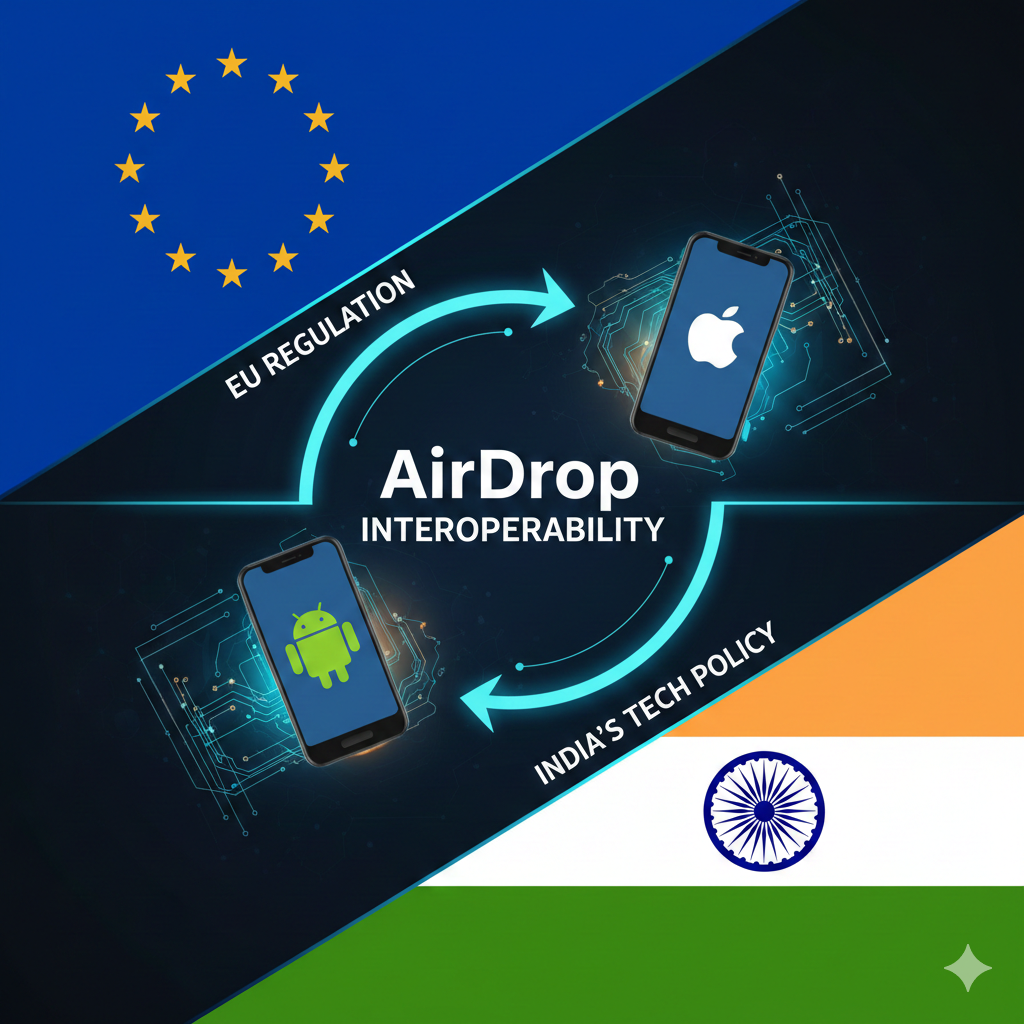
- Google Pixel 10 can now share files directly with iOS via AirDrop, marking the first time AirDrop-style interoperability works natively on Android—driven entirely by EU Digital Markets Act pressure.
- Apple is now designated a “gatekeeper” under EU’s DMA and faces binding obligations to provide cross-platform interoperability for key services, with structured timelines, transparent processes, and guaranteed feature parity.
- The technical foundation: Quick Share uses memory-safe Rust and peer-to-peer connections (no servers); independent penetration testing found it “notably stronger” than other industry solutions.
- Limitations reveal Apple’s compliance style: Two-way sharing works, but only when iOS is set to “Everyone for 10 minutes”—not “Contacts Only.” Android users still lack granular privacy options available on iOS.
- For India: DMA offers a live case study in using interoperability mandates and competition law to break ecosystem lock-in—critical lessons for CCI, MeitY, and India’s emerging digital regulation.
The AirDrop Breakthrough Nobody Expected
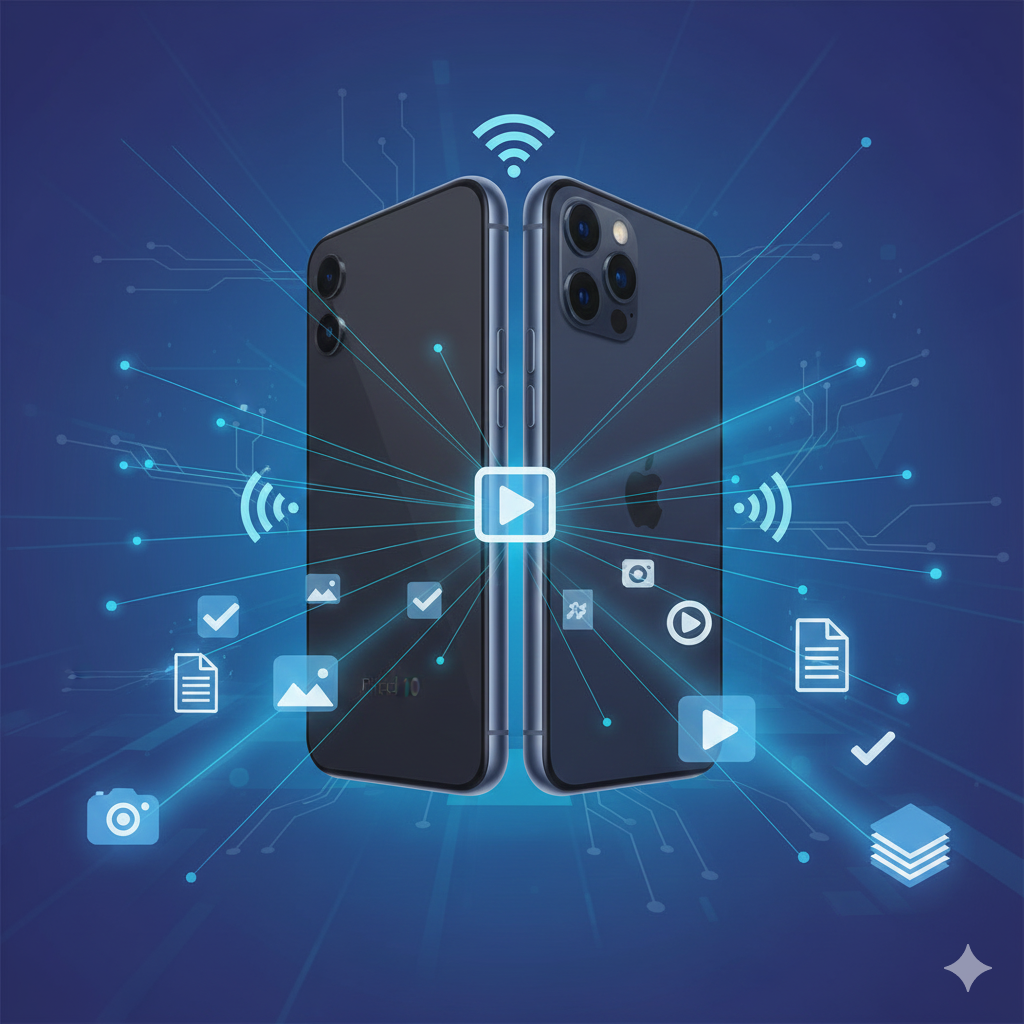
For over a decade, AirDrop was Apple’s superpower—a seamless, secure, proprietary file-sharing feature that “just worked” within the Apple ecosystem. For Android users? Tough luck. You had third-party apps, workarounds, and friction.
Then, on November 20, 2025, Google announced something remarkable: Pixel 10 phones can now share files directly with iPhone, iPad, and Mac via AirDrop. wired
No Apple partnership. No joint announcement. Just Google’s engineering team saying, “We figured out the protocol. Here’s interoperability.”
What changed? European Union regulation.
The EU’s Digital Markets Act (DMA) designated Apple a “gatekeeper” and mandated interoperability as a condition of market access. Rather than engage in lengthy litigation (like Apple is currently doing in EU courts), Google seized the opportunity to implement cross-platform file sharing independently.
For India, this episode offers a blueprint for how regulation can reshape Big Tech behavior—and an urgent wake-up call about the need for coordinated digital governance frameworks.
What Exactly Changed? The AirDrop-Quick Share Story
The Technical Reality
Starting November 2025, Android users with Pixel 10 phones can now:
✓ Share files (photos, videos, documents, text) with iPhone, iPad, and Mac
✓ Receive files from iOS devices
✓ Use a peer-to-peer connection (no servers, no data logging)
The Limitations (Apple’s Compliance Strategy)
But here’s where Apple’s “letter of the law, not spirit” approach emerges:
| Feature | iOS (Apple) | Android (Google) | Why the Gap? |
|---|---|---|---|
| Contacts-only sharing | ✓ Yes | ✗ No (yet) | Apple hasn’t provided implementation specs |
| Everyone mode | ✓ Reverts after 10 mins | ✓ Same (required by Apple) | Apple insisted on this UX |
| Rollout scope | All devices | Pixel 10 only | Google implementation, limited scope |
| Technical parity | Full encryption, NFC integration | Encryption only (no NFC yet) | Google working independently |
Google has stated that “Contacts Only” mode will be supported in future updates and rollout will expand beyond Pixel 10.
The Technical Achievement
Here’s the remarkable part: Google accomplished this without Apple’s direct involvement.
How? The company reverse-engineered the Apple Wireless Direct Link (AWDL) protocol and built Quick Share interoperability using:
- Rust (memory-safe language for secure components)
- Peer-to-peer Wi-Fi Direct (avoiding third-party servers)
- SHA-256 hashing for device validation
- TLS encryption for secure transfers
Independent security firm NetSPI audited the implementation and found it “notably stronger” than comparable industry solutions.
The Technology Behind the Scenes—AWDL and WiFi Aware
Apple’s Proprietary AWDL
AirDrop has historically used Apple Wireless Direct Link (AWDL)—a closed, proprietary protocol built on:
- IPv6 mesh networking (not dependent on standard Wi-Fi)
- Link-local addresses (no MAC address exposure)
- Bluetooth for discovery, Wi-Fi for fast transfers
AWDL was never documented by Apple, making reverse-engineering necessary for third-party integration.
The EU’s Push to Open Standards
Here’s where regulation enters: In iOS 26 (EU deployment), the EU required Apple to deprecate AWDL in favor of the open WiFi Aware standard (an IEEE 802.11 extension).
This is not a suggestion. It’s a regulatory mandate tied to DMA compliance.
Why this matters: By transitioning to open WiFi Aware, Apple’s “walled garden” becomes technically porous. Other manufacturers can now build interoperable implementations without reverse-engineering.
The EU Digital Markets Act—Regulation That Rewrote the Rules
What Is the DMA?
The EU’s Digital Markets Act (2022, enforced 2024) designates large digital platforms as “gatekeepers” and imposes binding interoperability obligations.
Apple was designated a gatekeeper in September 2023 for:
- iOS operating system
- iPadOS
- App Store
- iCloud
Apple’s Specific DMA Obligations
Under Article 6(7) of the DMA, Apple must now:
- Provide free, effective interoperability with core platform services (including file sharing)
- Share technical information with developers seeking to integrate with iOS
- Use open standards where applicable (moving away from proprietary protocols like AWDL)
- Ensure third-party solutions are equally effective as Apple’s own services—no artificial handicapping
The Specification Decisions
The EU Commission issued two specific rulings:
DMA.100203: Apple must enable interoperability for connected devices (phones, tablets, wearables) to iOS.
DMA.100204: Apple must establish a transparent, structured process for developers requesting interoperability, including:
- 20-day eligibility assessment timeline
- 40-day project planning timeline
- 6–18 month development timelines (depending on complexity)
- Dedicated developer support (5 working-day response SLAs)
- Public request tracker (so developers can monitor status)
This is unprecedented in Big Tech regulation—not vague directives, but specific operational timelines and accountability mechanisms.
Apple’s Compliance Style—Minimum Adherence, Maximum Friction
The Pattern
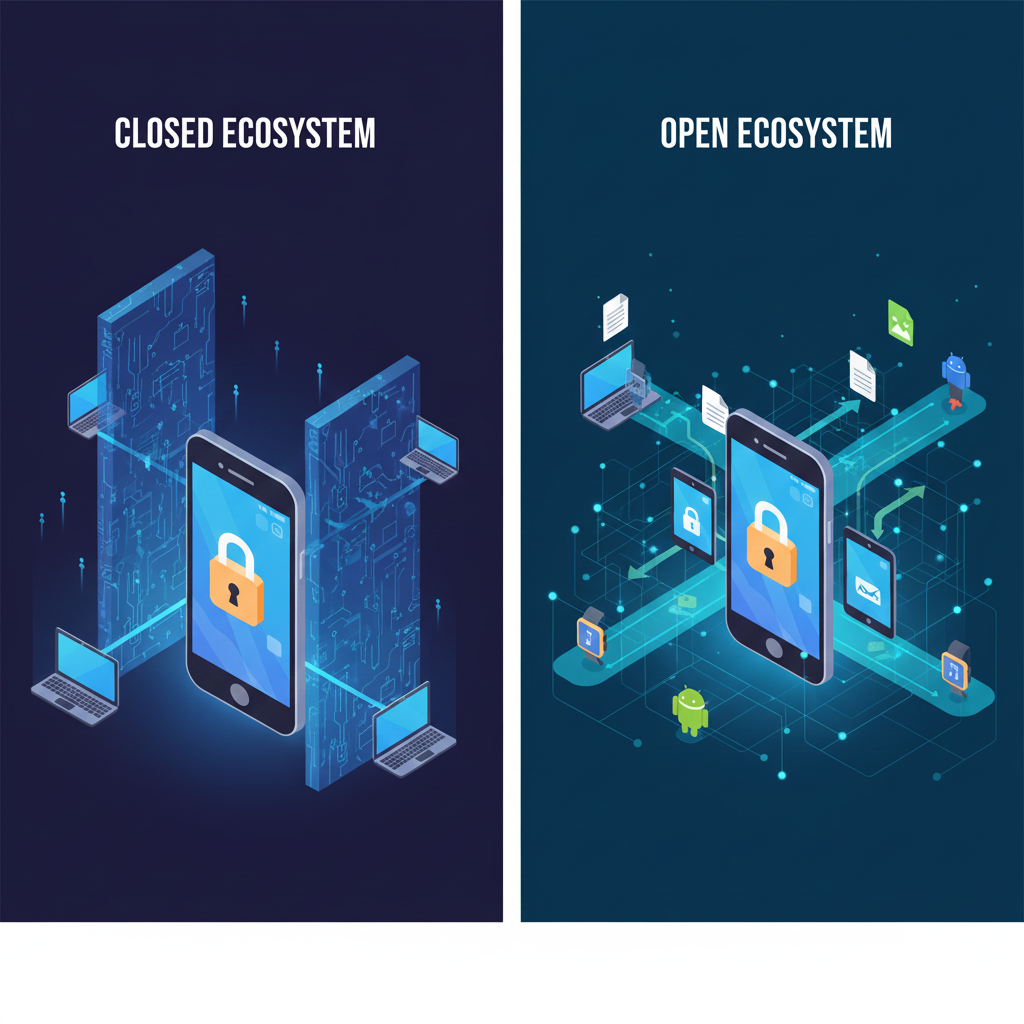
Observers note that Apple complies with DMA obligations while maintaining maximum “friction” for users and developers:
Example 1: AirDrop Interoperability
- ✓ DMA requires interoperability → Apple allows it
- ✗ DMA doesn’t explicitly require “Contacts Only” → Apple doesn’t provide it to Android
- ✓ DMA requires peer-to-peer → Apple allows it
- ✗ DMA doesn’t mandate smooth UX → Apple requires manual “Everyone for 10 mins” mode on iOS
Example 2: AWDL Deprecation
- ✓ DMA requires open standards → Apple transitions to WiFi Aware
- ✗ DMA doesn’t prohibit AWDL → Apple maintains AWDL for backward compatibility (older iOS devices)
Example 3: Developer Interoperability Process
- ✓ DMA requires a process → Apple established DMA.100204 procedures
- ✗ DMA doesn’t mandate efficiency → Request timelines are now 18+ months for complex features
Litigation as Delay Tactic
Notably, Apple is currently litigating DMA rules at the EU Court of Justice (Apple v. European Commission, case T-1080/23), challenging the interoperability mandates themselves.
While courts deliberate, Apple complies—but slowly, minimally, and with maximum friction built in.
The Geopolitical and Regulatory Implications
Why the EU Has Leverage
The EU’s DMA works because of market size: Apple derives ~25% of revenue from Europe. Compliance costs far less than losing market access.
This creates a global precedent: Changes mandated by EU DMA often become worldwide policy (USB-C mandate, now AirDrop interoperability), because Apple defaults to global rollouts rather than region-specific fragmentation.
The Broader Lesson for Gatekeepers
The DMA established a principle: If a platform has “gatekeeper” status (dominant market position + network effects + lock-in), interoperability is not optional—it’s a regulatory requirement.
This applies not just to Apple, but also to:
- Google (Android, Play Store)
- Meta (Facebook, WhatsApp, Instagram)
- Amazon (cloud services, marketplace)
- Microsoft (Windows, cloud)
All are now subject to similar DMA interoperability mandates.
Implications for India’s Digital Governance
India’s Regulatory Gap
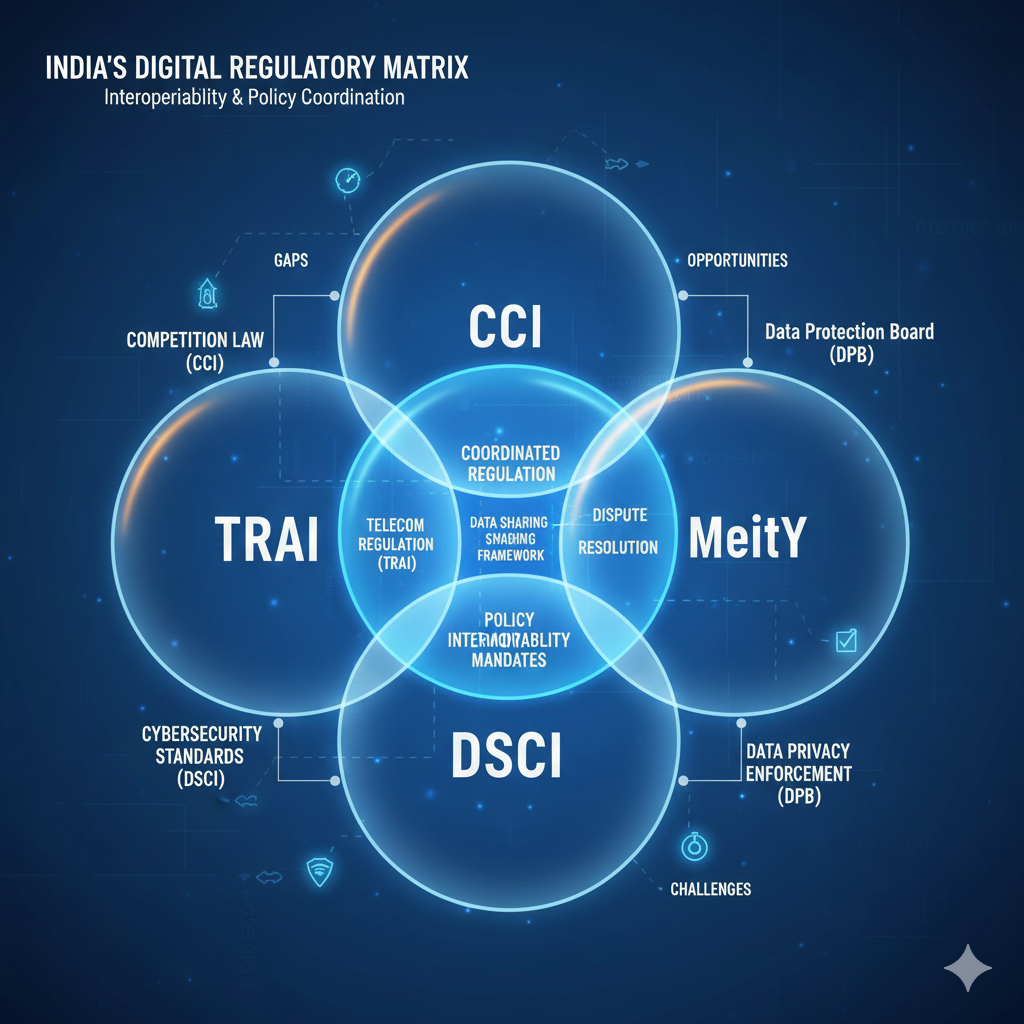
Unlike the EU, India lacks a coherent, integrated digital markets regulation. Instead, there are fragmented frameworks:
- CCI (Competition Law): Reactive, case-by-case antitrust enforcement
- TRAI/DoT: Telecom-specific (doesn’t cover app ecosystems)
- MeitY: Tech policy, but limited enforcement authority
- DSCI/CERT-In: Cybersecurity and incident reporting
- DPDP Act 2023: Data protection (privacy-focused)
None of these currently mandate interoperability or address gatekeeper power.
Lessons from AirDrop-DMA
India should learn:
1. Interoperability Can Be Mandated, Not Negotiated
The EU didn’t ask Apple to voluntarily interoperate. It mandated it with specific timelines and enforcement mechanisms. India’s CCI should adopt similar authority.
2. Specification Decisions Work
Rather than abstract rules (“provide interoperability”), the EU issued specific operational requirements (timelines, transparency, feature parity). India should move toward this level of precision in digital markets regulation.
3. Gatekeeper Designation Matters
The DMA pre-emptively regulates gatekeepers before they abuse market power, not after (reactive antitrust). India should consider proactive gatekeeper designations for dominant platforms.
4. Market Size = Leverage
The EU’s 450 million users gave it negotiating power. India’s 850+ million internet users represent a comparable market—sufficient leverage to shape Big Tech behavior, if coordinated.
Specific Policy Recommendations for India
Short-term (6–12 months):
- Designate digital gatekeepers: CCI should formally identify dominant platforms (e.g., Google, Apple, Meta, Amazon) and subject them to interoperability audits.
- Mandate cross-platform data portability: Users should be able to export contacts, messages, media from dominant messaging apps (WhatsApp, Signal, Telegram) to competitors without loss of data or functionality.
- Require app store interoperability: Allow third-party Android app stores (F-Droid, etc.) and iOS alternative app stores without artificial security or performance penalties.
Medium-term (1–3 years):
- Draft “India Digital Markets Act”: Model on EU DMA, tailored to Indian contexts (e.g., protecting digital public goods, supporting startups).
- Establish interoperability standards for government platforms: UPI, DigiLocker, and other Digital India infrastructure should support third-party integrations transparently.
- Enforce security-by-design interoperability: Interoperability should not compromise data security; mandate independent audits (like Google’s NetSPI audit).
For India—Strategic Autonomy and Dependency Risks
The Bigger Picture
India’s reliance on foreign-controlled digital ecosystems (iOS, Android, cloud services) creates dependency vulnerabilities:
- Data sovereignty: Where does Indian user data live? Who controls it?
- Policy capture: Foreign companies lobby against regulatory changes.
- National security: Encrypted communications, financial data, government services all depend on platforms controlled by foreign entities.
Interoperability reduces this risk by enabling:
- Open standards that aren’t controlled by any single vendor
- Indian alternatives (e.g., India-built messaging apps, app stores, cloud services) to compete on level terms
- User choice rather than lock-in
Building Atmanirbhar Digital Infrastructure
Interoperability mandates would naturally incentivize Indian entrepreneurs to:
- Build alternative messaging apps (competing fairly with WhatsApp)
- Develop Indian-controlled cloud services
- Create secure, privacy-respecting app stores
- Contribute to open standards (e.g., WiFi Aware development)
Decision Points for Indian Policymakers
Decision 1: Proactive vs. Reactive Regulation
Question: Should India proactively mandate interoperability (like the EU DMA) or wait for antitrust violations to accumulate?
Answer: Proactive. The cost of regulating gatekeepers upfront is far lower than the cost of addressing ecosystem lock-in after billions are trapped.
Decision 2: Scope of Interoperability Mandates
Question: Should interoperability cover just file-sharing, or messaging, payments, cloud services, and app stores?
Answer: All critical services. Focus on “core platform services” (CPS) where lock-in creates the most harm:
- Messaging (WhatsApp, Signal, Telegram)
- App stores (iOS App Store, Google Play)
- Payment systems (Apple Pay, Google Pay)
- Cloud services (iCloud, Google Cloud)
Decision 3: Enforcement Mechanisms
Question: Should India adopt CCI enforcement, create a new regulator, or use sectoral authorities (TRAI for telecom, MeitY for IT)?
Answer: Coordination across CCI + MeitY + TRAI. Each has expertise in different domains. CCI handles competition law, MeitY handles tech standards, TRAI handles telecom interoperability.
Conclusion: Regulation as a Design Feature, Not a Punishment
The AirDrop-QuickShare story is remarkable not because it’s a technical feat—reverse-engineering AWDL was non-trivial, but doable—but because it demonstrates that regulation can reshape Big Tech behavior without litigation, fines, or confrontation.
Apple didn’t lose money. Shareholders weren’t penalized. No executives faced jail time. Instead, a well-designed regulatory framework (the DMA) created incentives for interoperability that Google independently acted upon.
For India, the lesson is clear:
- Regulation can be constructive, not destructive. The EU DMA didn’t ban Apple; it just required openness.
- Interoperability mandates break lock-in and enable competition and user choice.
- Market size matters. India’s 850+ million users represent sufficient leverage to shape global Big Tech behavior.
- Timing is critical. Acting now (while gatekeeper dominance is recent) is easier than breaking entrenched lock-in later.



+ There are no comments
Add yours