
Key Highlights
- Historic bilateral milestone with Maitri 2.0 launch on September 22, 2025, strengthening 77-year agricultural partnership through cross-border agritech incubation
- ICAR innovation surge from 74 patents in 1996 to over 1,800 annually, supported by 5,000+ licensing agreements and 400+ supported agritech startups
- Biofortification breakthrough with ABV 04 pearl millet delivering 70 ppm iron and 63 ppm zinc, significantly higher than conventional varieties’ 45-50 ppm iron
- Brazilian biofertilizer leadership with 9 million doses of Azospirillum brasilense commercialized in 2018, representing 10% of total inoculants sold
- Digital agriculture expansion with Brazil’s agricultural IoT market reaching $758.31 million in 2024, projected to grow at 13.58% CAGR through 2032
The Genesis of Global Agricultural Innovation
The launch of Maitri 2.0, the second edition of the India-Brazil Cross-Incubation Programme in Agritech, represents a watershed moment in international agricultural cooperation. This groundbreaking initiative, launched by the Indian Council of Agricultural Research (ICAR) on September 22, 2025, embodies the strategic convergence of two agricultural superpowers committed to addressing global food security challenges through innovation-led growth. iari.res
The partnership builds upon a remarkable 77-year agricultural relationship between India and Brazil, two nations that collectively contribute to feeding billions globally. Both countries face shared challenges including climate change impacts, food and nutritional security threats, and the imperative for sustainable intensification of agricultural systems.
The significance of this collaboration extends beyond bilateral interests to global agricultural transformation. As Dr. M.L. Jat, Secretary (DARE) and Director General (ICAR) emphasized, this initiative serves as a “two-way learning platform for co-creation between Indian and Brazilian innovators” aimed at building a stronger, innovative, and inclusive agri-food ecosystem for enhanced global food security.
Strategic Foundation: Decades of Agricultural Excellence
India’s Innovation Transformation
ICAR’s remarkable evolution from producing 74 patents in 1996 to over 1,800 annually demonstrates India’s commitment to agricultural innovation. This exponential growth is supported by comprehensive infrastructure including multiple incubation centers and over 5,000 licensing agreements, creating a robust ecosystem for technology transfer from laboratories to farmers’ fields. pib.gov
The 400+ agritech startups nurtured by ICAR represent a paradigm shift in viewing agriculture not merely as a livelihood but as a dynamic business opportunity. This startup ecosystem has converted innovative ideas into viable business models, addressing critical challenges across the agricultural value chain.
Brazil’s Biotechnology Leadership
Brazil’s agricultural sector demonstrates exceptional strength in biotechnology and bioformulations, with the country becoming a global leader in biofertilizer development and commercialization. The commercialization of over 9 million doses of Azospirillum brasilense inoculants in 2018 represents 10% of total inoculants sold, indicating widespread farmer acceptance of biological solutions.
The country’s National Bioinputs Program, launched by MAPA in 2020, promotes sustainable technologies derived from biological resources, focusing on enhancing agricultural productivity, improving soil health, and mitigating environmental impacts. This comprehensive approach positions Brazil at the forefront of sustainable agricultural innovation.
Core Focus Areas: Revolutionary Agritech Solutions
Micronutrients and Soil Health Innovation
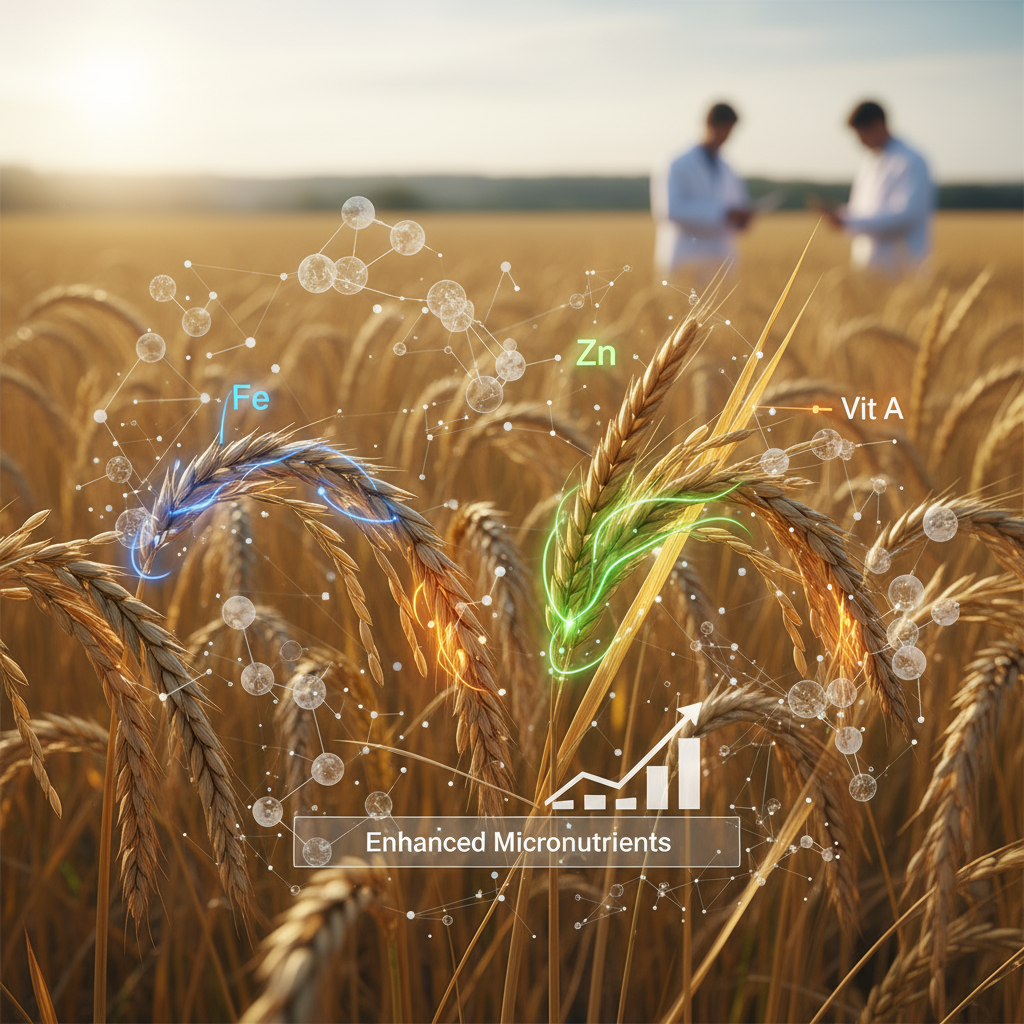
The biofortification revolution represents one of the most promising areas of India-Brazil collaboration. India’s recent success with biofortified pearl millet variety ABV 04, developed at ARS Anantapuram under ICAR-AICRP, demonstrates remarkable achievements in nutritional enhancement. pmc.ncbi.nlm.nih
ABV 04 Performance Metrics:
- Iron content: 70 ppm (vs. 45-50 ppm in conventional varieties)
- Zinc content: 63 ppm (vs. 30-35 ppm in conventional varieties)
- Maturity period: 86 days (early-maturing advantage)
- Grain yield: 28.6 quintals per hectare
- Fodder yield: 58 quintals per hectare
Brazil’s complementary expertise in agronomic biofortification has shown that foliar application of zinc sulfate at 600 g ha⁻¹ can increase grain zinc concentration by 25-40% without reducing crop yields. The use of zinc nanoparticles has demonstrated even more impressive results, increasing wheat grain zinc content by up to 30% while enhancing biomass production.
Bioformulations and Bioproducts Excellence
The bioformulations sector represents a cornerstone of sustainable agriculture, with both countries demonstrating exceptional capabilities in developing eco-friendly solutions. ICAR has developed comprehensive microbe-based technologies including Bio NPK, BIOGROW, Bio Phos, and Bio Zn liquid formulations.
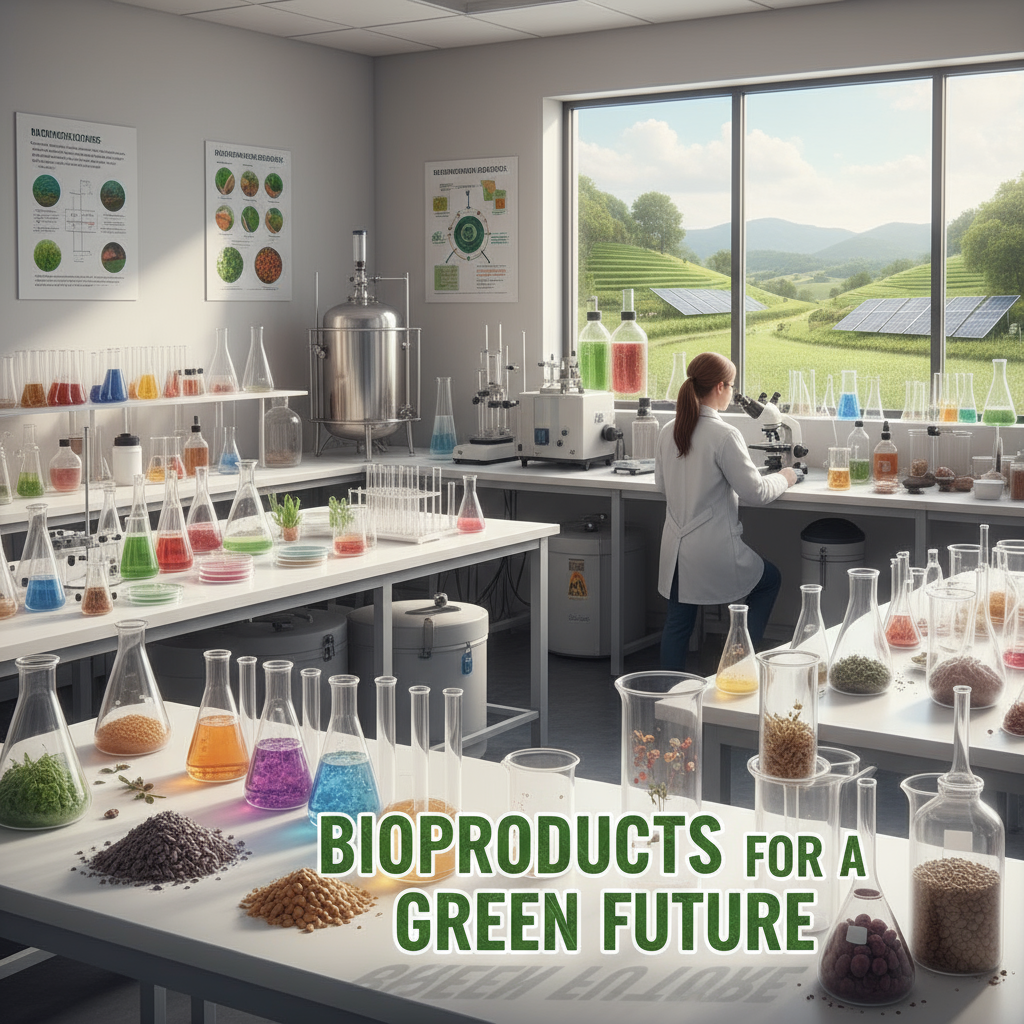
Key ICAR Bioformulations:
- Bio NPK Liquid: Comprising N₂-fixing (Azotobacter chroococum), P-solubilizing (Paenibacillus tylopili) bacteria
- BiomaPhos®: First commercial phosphate-solubilizing bacteria inoculant with Bacillus megaterium and B. subtilis
- ZincFort and IronFort: Micronutrient-specific formulations for addressing deficiencies
- Eco-Pesticide: Biological pest control solutions
Brazil’s biofertilizer industry has achieved remarkable commercial success, with products like BiomaPhos® resulting from Embrapa-industry partnerships showing 8.9% average productivity gains in corn and 5-bag per hectare increases in soybeans. icar
Digital and Precision Agriculture Integration
The convergence of IoT, AI, and precision agriculture represents a transformative force in modern farming. Brazil’s agricultural IoT market, valued at $758.31 million in 2024, is projected to reach $2,100.20 million by 2032 with a 13.58% CAGR.
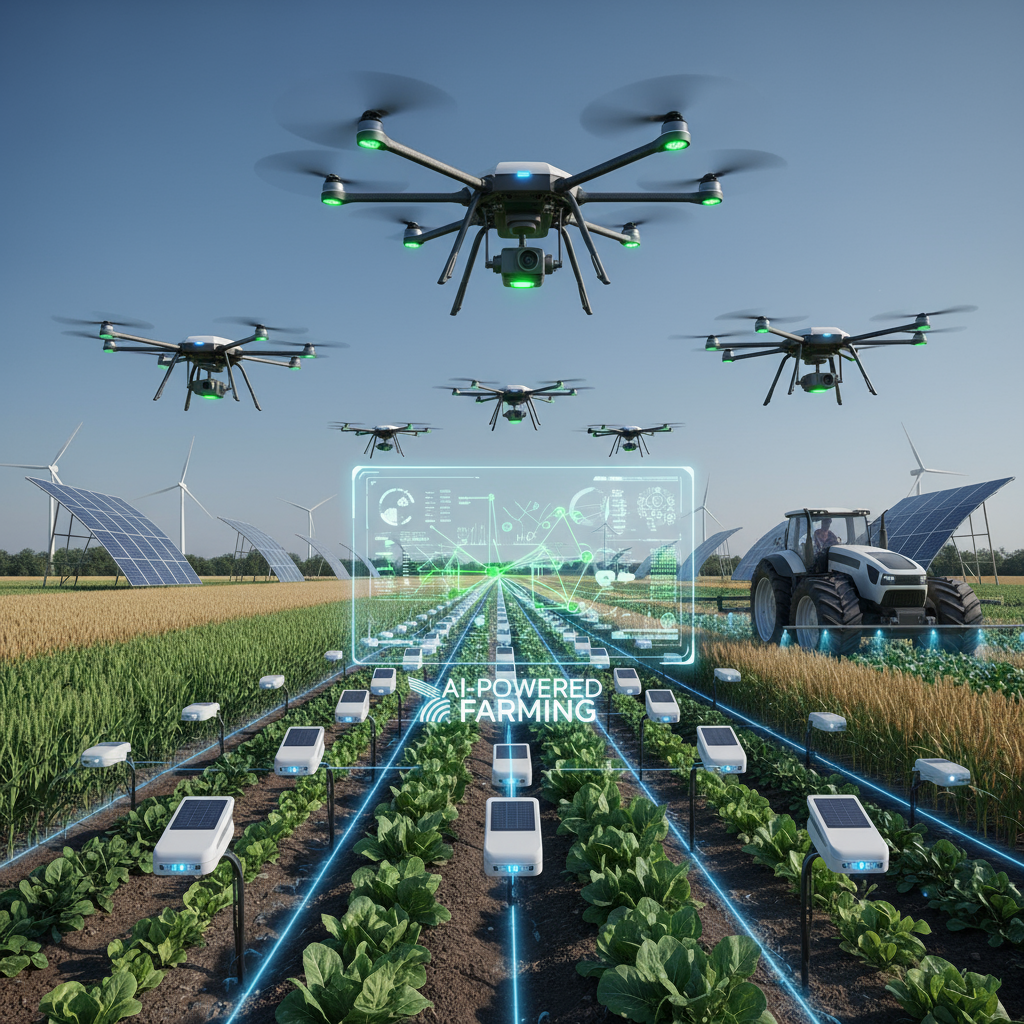
Digital Agriculture Applications:
- AI-powered pest and weather forecasting systems
- Remote sensing technologies for crop monitoring
- IoT devices for optimized input use and resource management
- Precision application systems for fertilizers and pesticides
- Drone-based monitoring for large-scale farm management
Brazil’s Embrapa Digital Agriculture program utilizes AI models to predict pest attacks in organic soybean and sugarcane fields, enabling timely biocontrol interventions. This integration of artificial intelligence with biological control methods exemplifies the sophisticated approach to sustainable farming.
Innovation Ecosystem: Startup Development and Technology Transfer
ICAR’s Incubation Success Model
The ICAR innovation ecosystem has created a comprehensive framework for nurturing agritech startups and facilitating technology transfer. The organization operates 24 Agribusiness Incubation Centers that provide crucial support for techno-entrepreneurs.
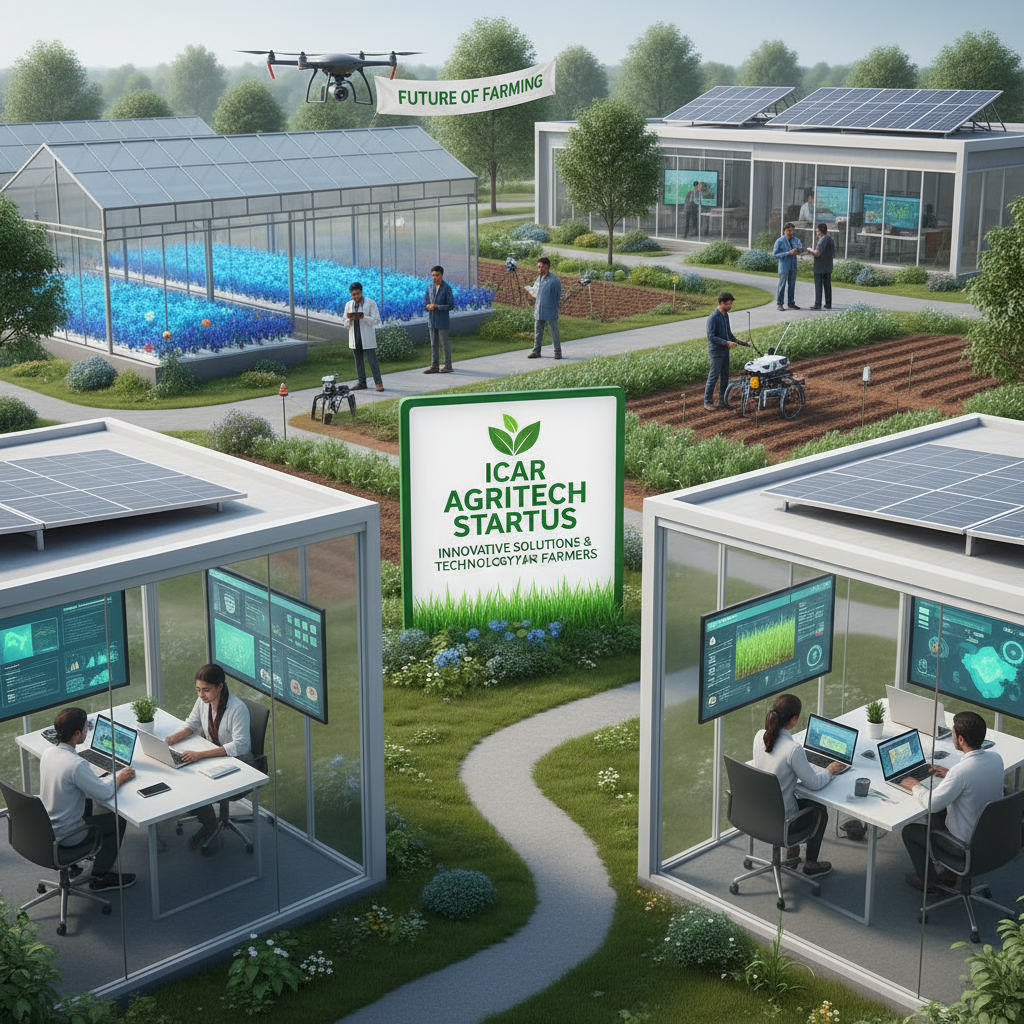
Startup Support Framework:
- Incubation facilities across multiple ICAR institutes
- Mentoring programs connecting startups with agricultural experts
- Funding support through various government schemes
- Market linkage assistance for scaling innovations
- Intellectual property protection and commercialization support
The success of this model is evident in the conversion of research innovations into scalable business solutions, with startups addressing challenges across the agricultural value chain from precision farming to post-harvest management.
Technology Transfer Excellence
The emphasis on “delivering publicly funded innovations directly to farmers and end-users” rather than viewing commercialization purely as revenue generation represents a paradigm shift in agricultural research approach. This philosophy ensures that technological advances reach smallholder farmers who need them most.
Examples of successful technology transfer include:
- Digital pest management tools developed through collaborative research
- Drought-tolerant crop varieties adapted for specific regional conditions
- Bioformulation products scaled from laboratory to commercial production
- Precision agriculture solutions tailored for diverse farming systems
Strategic Implications: Global Food Security and Economic Impact
Addressing Hidden Hunger Through Science
The collaboration addresses “hidden hunger” – malnutrition caused by micronutrient deficiencies despite adequate caloric intake. With zinc deficiency affecting billions globally, particularly vulnerable populations, the development of biofortified crops represents a sustainable solution.
Nutritional Impact Potential:
- Iron deficiency anemia reduction through biofortified cereals
- Zinc deficiency disorders mitigation in children and adults
- Vitamin A deficiency alleviation through carotenoid-enhanced crops
- Overall nutritional security improvement in rural populations
Climate Resilience and Sustainability
The partnership’s focus on climate-smart technologies addresses urgent challenges posed by changing weather patterns, extreme events, and resource constraints. Collaborative development of drought-resistant varieties and resource-efficient farming systems builds agricultural resilience.
Climate Adaptation Strategies:
- Drought-tolerant crop varieties for water-stressed regions
- Heat-resistant cultivars adapted to rising temperatures
- Integrated pest management systems reducing chemical dependence
- Soil health improvement technologies enhancing carbon sequestration
Economic Transformation and Atmanirbhar Bharat
The initiative aligns perfectly with India’s Atmanirbhar Bharat (Self-Reliant India) goals by building indigenous capabilities in emerging agri-biotech sectors. The development of domestic biofertilizer and biopesticide industries reduces import dependence while creating employment opportunities.
Economic Benefits:
- Reduced input costs through biological alternatives
- Enhanced crop productivity and quality
- Export opportunities in biotechnology products
- Rural employment generation through startup ecosystems
- Technology exports to other developing countries
Challenges and Strategic Considerations
Regulatory Harmonization Requirements
Harmonizing regulatory standards between India and Brazil remains crucial for seamless technology transfer and product registration. Both countries need to develop compatible biosafety protocols and certification mechanisms for bioformulations and micronutrient products.
Key Regulatory Areas:
- Biosafety assessment protocols for biological products
- Field testing requirements for new cultivars
- Quality standards for bioformulations
- Labeling and marketing regulations for biofortified products
Scaling Challenges for Smallholder Adoption
Scaling innovations from pilot phase to widespread adoption among smallholder farmers requires addressing multiple barriers including cost, accessibility, and knowledge gaps. Effective extension systems and farmer education programs are essential for successful technology dissemination.
Scaling Strategies:
- Subsidized access to bioformulations for small farmers
- Demonstration plots showcasing technology benefits
- Farmer-to-farmer knowledge transfer programs
- Cooperative-based technology distribution systems
Intellectual Property and Benefit Sharing
Navigating intellectual property rights and ensuring equitable benefit-sharing in joint research presents complex challenges requiring clear frameworks and agreements. Both countries need to develop mechanisms that protect innovation while ensuring affordable access to beneficial technologies.
Policy Recommendations and Way Forward
Institutional Strengthening
Enhanced collaboration mechanisms should include:
- Joint research centers for focused technology development
- Student and researcher exchange programs
- Shared funding mechanisms for collaborative projects
- Common intellectual property frameworks
- Integrated monitoring and evaluation systems
Capacity Building Excellence
Comprehensive capacity building initiatives should encompass:
- Farmer training programs on new technologies
- Extension worker education on bioformulations
- Startup incubation support systems
- Research collaboration enhancement
- Policy maker awareness programs
Market Development and Access
Strategic market development requires:
- Regulatory pathway harmonization
- Quality assurance standardization
- Distribution network development
- Farmer financing mechanisms
- International market access facilitation
Maitri 2.0 represents more than a bilateral agricultural cooperation program – it embodies a transformative vision for global food security achieved through scientific innovation, sustainable practices, and inclusive technology transfer. The convergence of India’s startup-driven innovation ecosystem with Brazil’s biotechnology leadership creates unprecedented opportunities for addressing humanity’s most pressing agricultural challenges.
The initiative’s focus on micronutrient enhancement, bioformulations, and digital agriculture provides comprehensive solutions for productivity improvement, environmental sustainability, and nutritional security. As both nations continue developing these technologies, the benefits will extend far beyond their borders, contributing to global agricultural transformation and food system resilience.
The success of Maitri 2.0 depends on sustained commitment to collaborative research, effective technology transfer, and supportive policy frameworks. By maintaining focus on farmer-centric solutions and sustainable practices, this partnership can serve as a model for international agricultural cooperation, demonstrating how science-backed innovation can create lasting solutions for global food security challenges.






+ There are no comments
Add yours