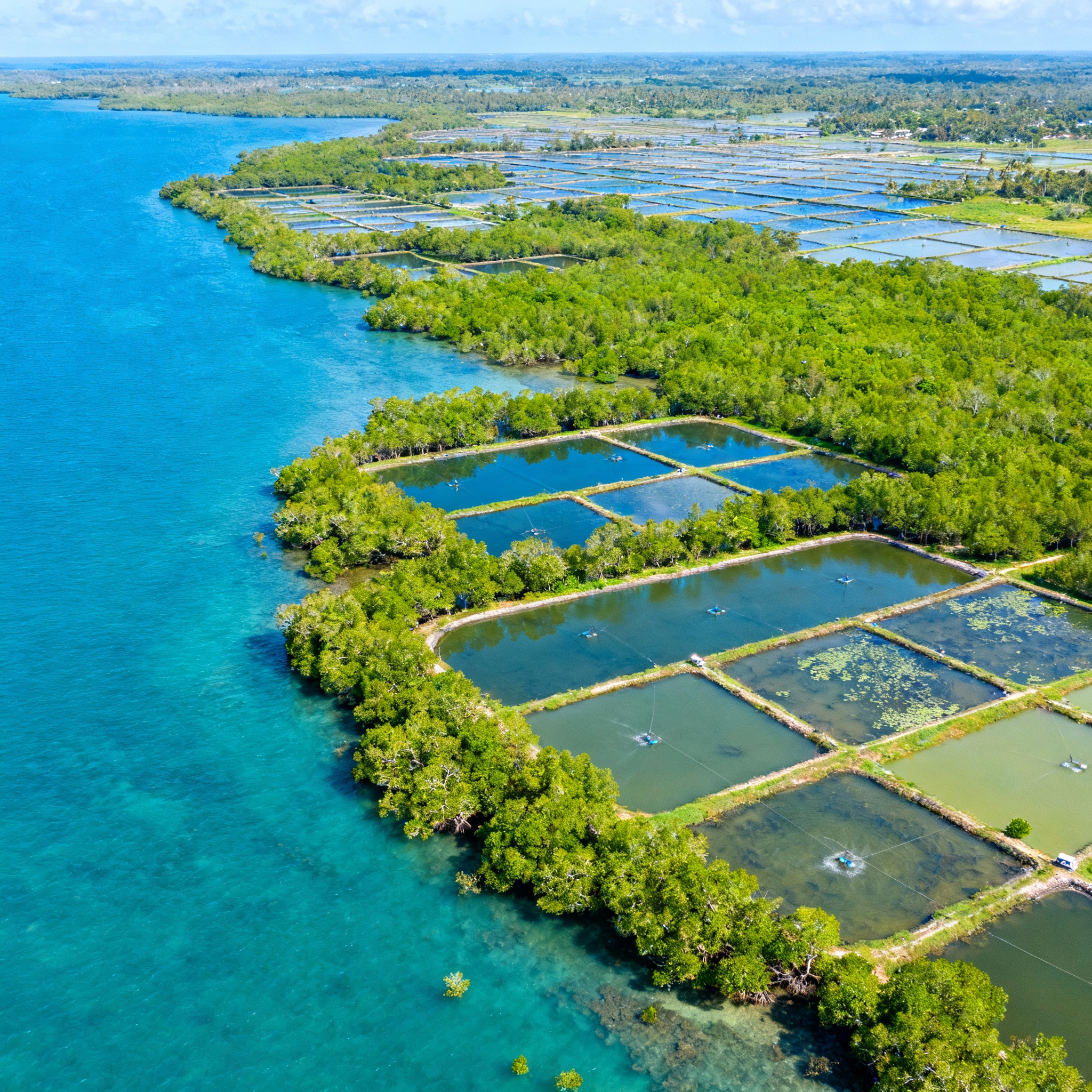
Key Highlights
✅ FAO Global Recognition: SAIME model received UN-FAO Global Technical Recognition in October 2025 for revolutionizing sustainable aquaculture
✅ Economic Win: Farmers practicing Integrated Mangrove Aquaculture doubled their net profits while reducing production costs through natural mangrove fodder
✅ Women Empowerment: Female-led mangrove nurseries supply 100,000+ seedlings, generating supplementary income and strengthening community ownership
✅ Climate Shield: Mangroves sequester carbon 3-4 times faster than terrestrial forests, protecting 4.1 million people from coastal erosion and cyclones
✅ Cross-Border Model: India-Bangladesh collaboration spans 29.84 hectares, demonstrating replicable ecosystem-based solutions for South Asia
What If Shrimp Farming Could Heal Instead of Harm?
Picture this—vast stretches of coastal Bangladesh and India where shrimp ponds and mangrove forests don’t compete but cooperate. Where farmers earn double profits while nature thrives. Sounds utopian? Welcome to the Sustainable Aquaculture in Mangrove Ecosystems (SAIME) initiative—a game-changing model that just earned global applause from the United Nations’ Food and Agriculture Organization (FAO).
In October 2025, at FAO’s 80th anniversary celebrations in Rome, the SAIME model developed by India’s Nature Environment and Wildlife Society (NEWS) received Global Technical Recognition for sustainable aquatic food systems. This wasn’t just another award ceremony—it marked a paradigm shift in how we approach coastal livelihoods, biodiversity, and climate action. webtv.un
The Mangrove Crisis: When Progress Destroys Protection
Nature’s Coastal Guardians Under Siege
Mangrove ecosystems are ecological powerhouses. These salt-tolerant forests act as natural barriers against cyclones, storm surges, and coastal erosion—services critical for the 120+ countries where they exist. They function as nurseries for fish, crabs, and countless aquatic species while storing carbon at rates that dwarf terrestrial forests.
The numbers tell a sobering story. Mangroves sequester 1023 Mg per hectare of carbon—nearly four times more than tropical rainforests. Globally, these ecosystems store approximately 21,896.56 million tons of CO₂ equivalent, with Indonesia, Vietnam, and the Philippines holding the largest reserves. sciencedirect
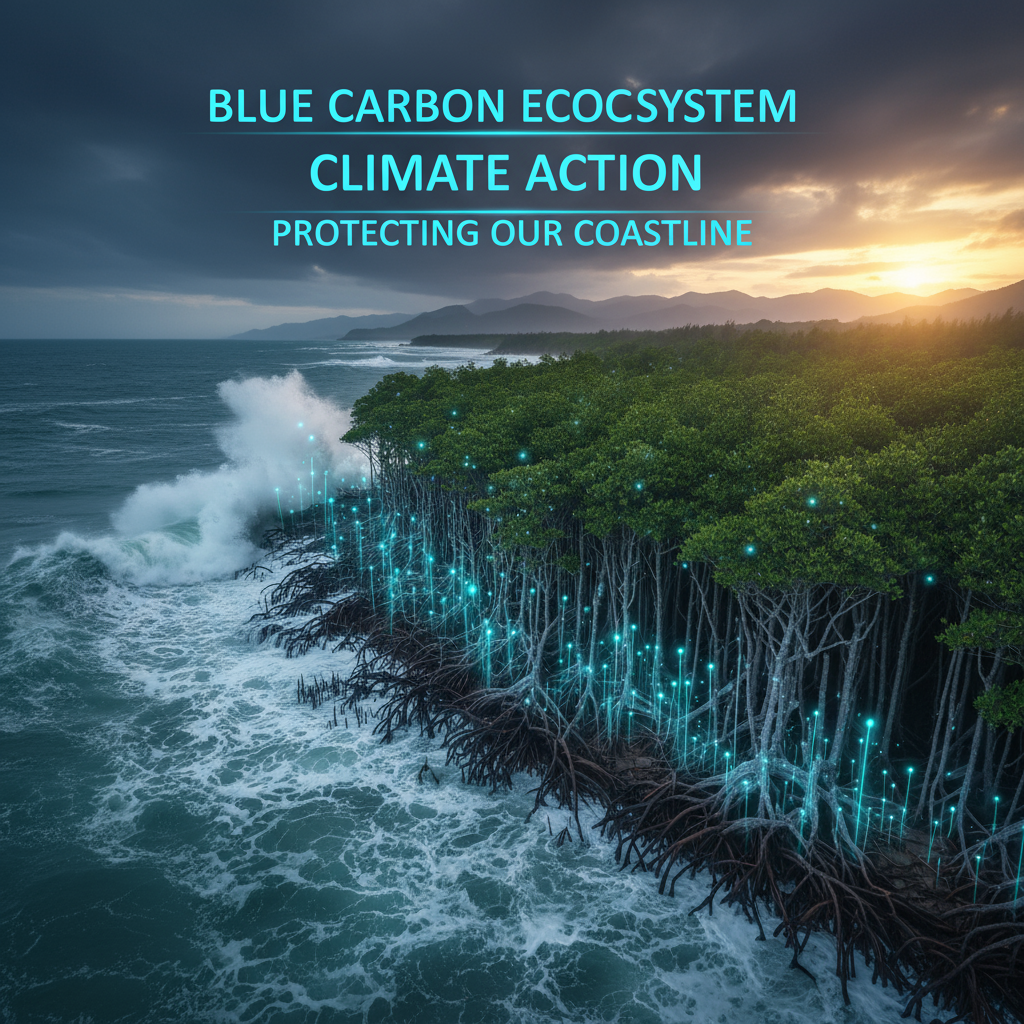
Yet despite their value, the world lost 35% of mangrove forests between 1980 and 2000. In Southeast Asia alone, 30% of coastal land-use change stems from shrimp aquaculture expansion. India lost 40% of its mangroves during the last century due to agriculture, aquaculture, urban development, and over-exploitation. worldforestid
The Shrimp Farming Dilemma
The irony cuts deep. Communities depending on mangroves for survival are the same ones clearing these forests for shrimp farming—a practice encouraged by government policies since the 1960s to enhance food security and livelihoods. Chemical-intensive aquaculture degrades remaining mangrove health, creates disease outbreaks in shrimp populations, and ultimately undermines the very ecosystems that sustain coastal productivity.
In the Sundarbans—the world’s largest contiguous mangrove forest straddling India and Bangladesh—this tension reached a critical point. Intensive shrimp cultivation expanded inward, systematically excluding the mangrove ecosystem that once defined the region’s ecological and economic identity.
SAIME: Where Conservation Meets Livelihood
The Vision Behind the Model
Launched in 2019, SAIME emerged from a bold question: What if aquaculture could become an ally—not an adversary—of mangrove conservation? rural21
The initiative represents a multi-stakeholder partnership bringing together:
- Global Nature Fund (GNF) from Germany
- Naturland e.V. (organic agriculture certification leader)
- Bangladesh Environment & Development Society (BEDS)
- Nature Environment & Wildlife Society (NEWS) India
- Technical support from ICAR-Central Institute of Brackishwater Aquaculture (CIBA), Leibnitz Centre for Tropical Marine Research, and sustainable seafood consultancy bluesensus
Funded by the German Ministry of Economic Cooperation and Development (BMZ), SAIME operates on a simple yet transformative principle: integrate mangroves directly into aquaculture systems rather than excluding them.
The Integrated Mangrove Aquaculture (IMA) Revolution
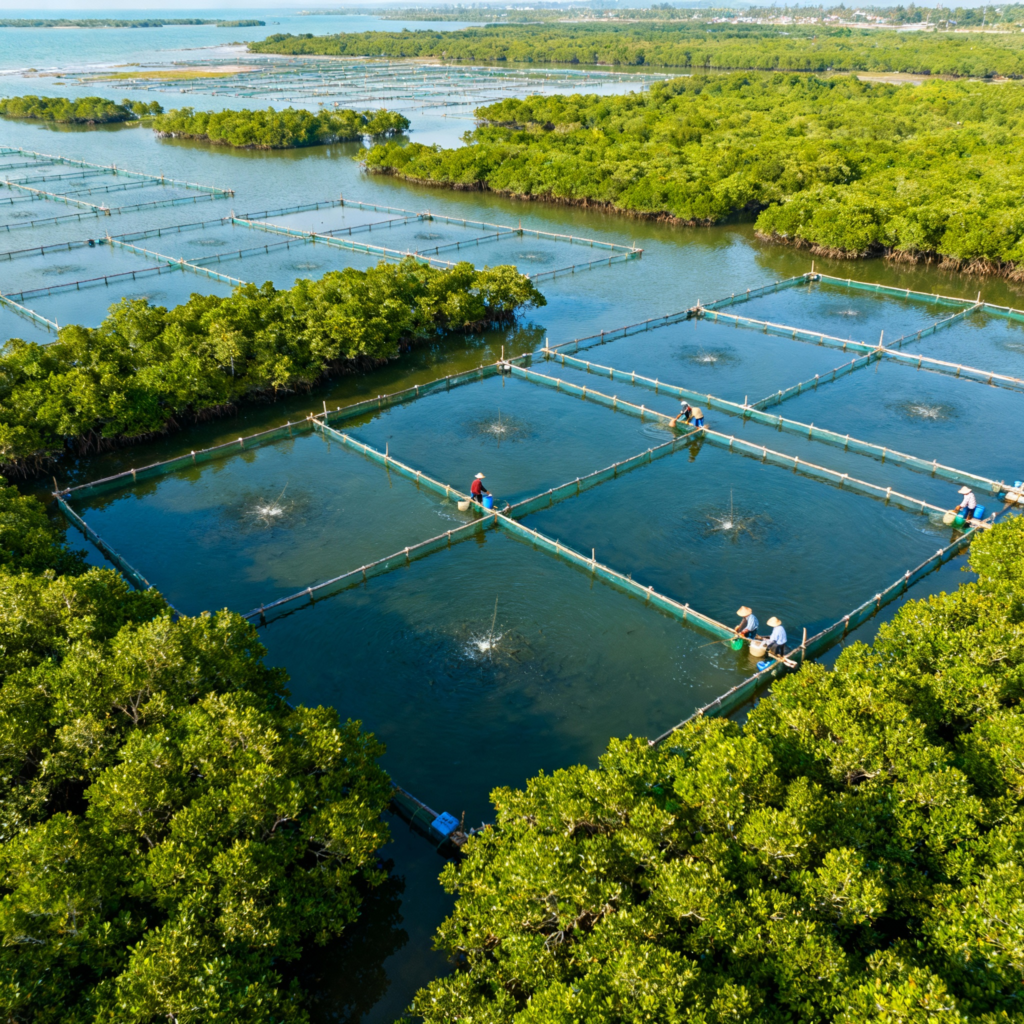
At SAIME’s heart lies Integrated Mangrove Aquaculture (IMA)—also called silvofishery—a farming system where mangroves are planted in and around shrimp ponds.
Core Technical Features:
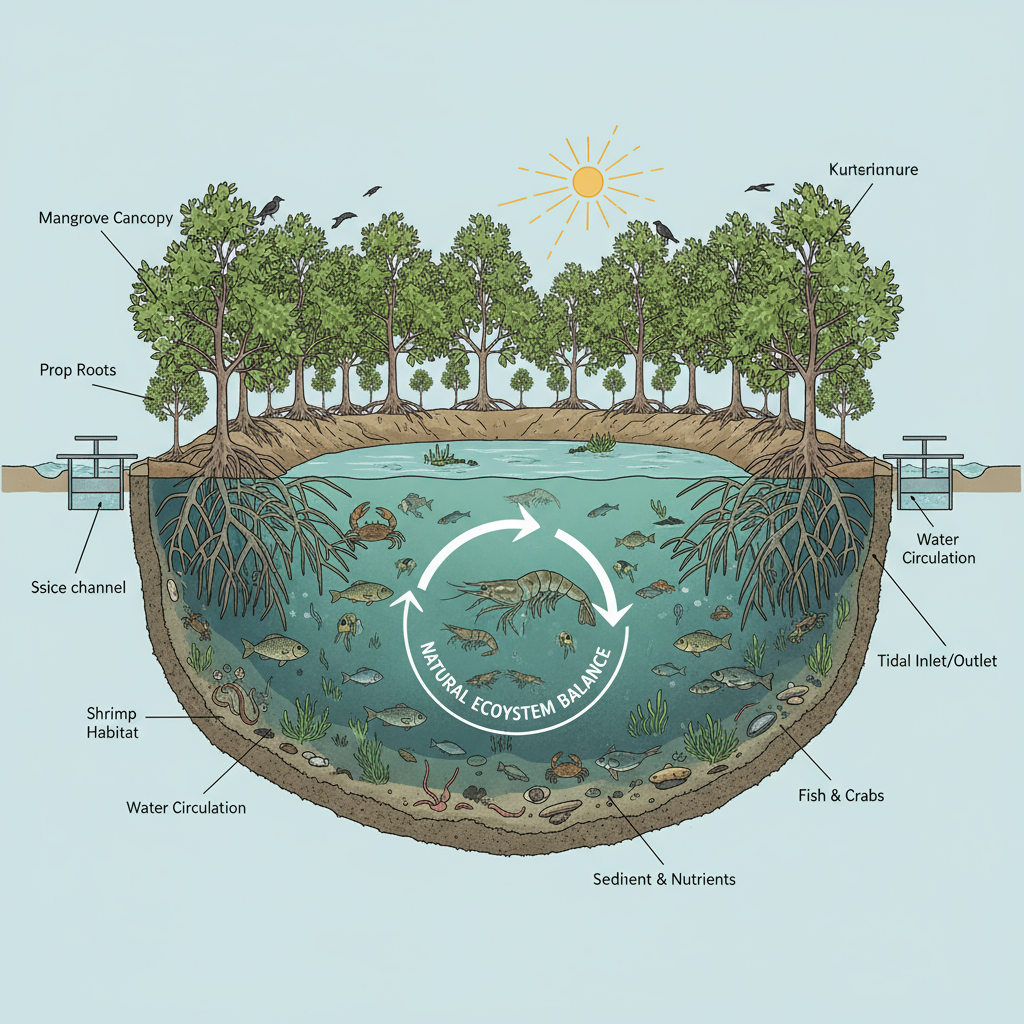
Extensive, Low-Input System: IMA employs low stocking density with minimal or no supplementary feed. Shrimps rely on natural food sources, especially fallen mangrove leaves that provide organic nutrition
Strategic Mangrove Placement: Trees are planted along pond embankments, water channels, and islands within ponds, achieving 5-30% mangrove coverage while maintaining aquaculture productivity
Ecosystem Services Integration: Mangroves stabilize pond structures, provide shade, reduce water temperature, improve dissolved oxygen levels, and naturally filter pollutants
Disease Suppression: Enhanced biodiversity on IMA farms correlates with reduced viral disease outbreaks in shrimp populations, improving survival rates and yields
Ground Reality: SAIME in Action
Pilot Sites and Scale
SAIME operates across strategic locations in the Sundarbans region:
India: Chaital and Madhabpur villages in North and South 24 Parganas districts, West Bengal
Bangladesh: Khulna and Satkhira coastal districts
By 2025, the initiative covers 29.84 hectares of aquaculture area managed by 42 farmers practicing sustainable Black Tiger Shrimp (Penaeus monodon) cultivation.
In India alone, partner farms planted over 6,000 mangrove trees in 2019-2020, with nurseries producing more than 100,000 seedlings by end-2021. At Madhabpur, repair plantation covered 10.38 hectares using 12 mangrove species including Avicennia, Bruguiera, Rhizophora, and Phoenix paludosa. naturewildlife
Economic Breakthrough
The numbers speak louder than rhetoric. Farmers adopting IMA witnessed annual average net profit increases exceeding 100%—essentially doubling their incomes.
How? By slashing production costs. Mangrove litter serves as natural fodder, drastically reducing dependence on expensive commercial feed. Combined with chemical-free farming practices that fetch premium prices and reduced disease losses, IMA transforms economic viability.
Farmers now practice good aquaculture practices (GAPs) certified under Naturland organic standards, accessing high-value export markets while maintaining ecological integrity.
Empowering Communities: Women at the Forefront
The Nursery Revolution
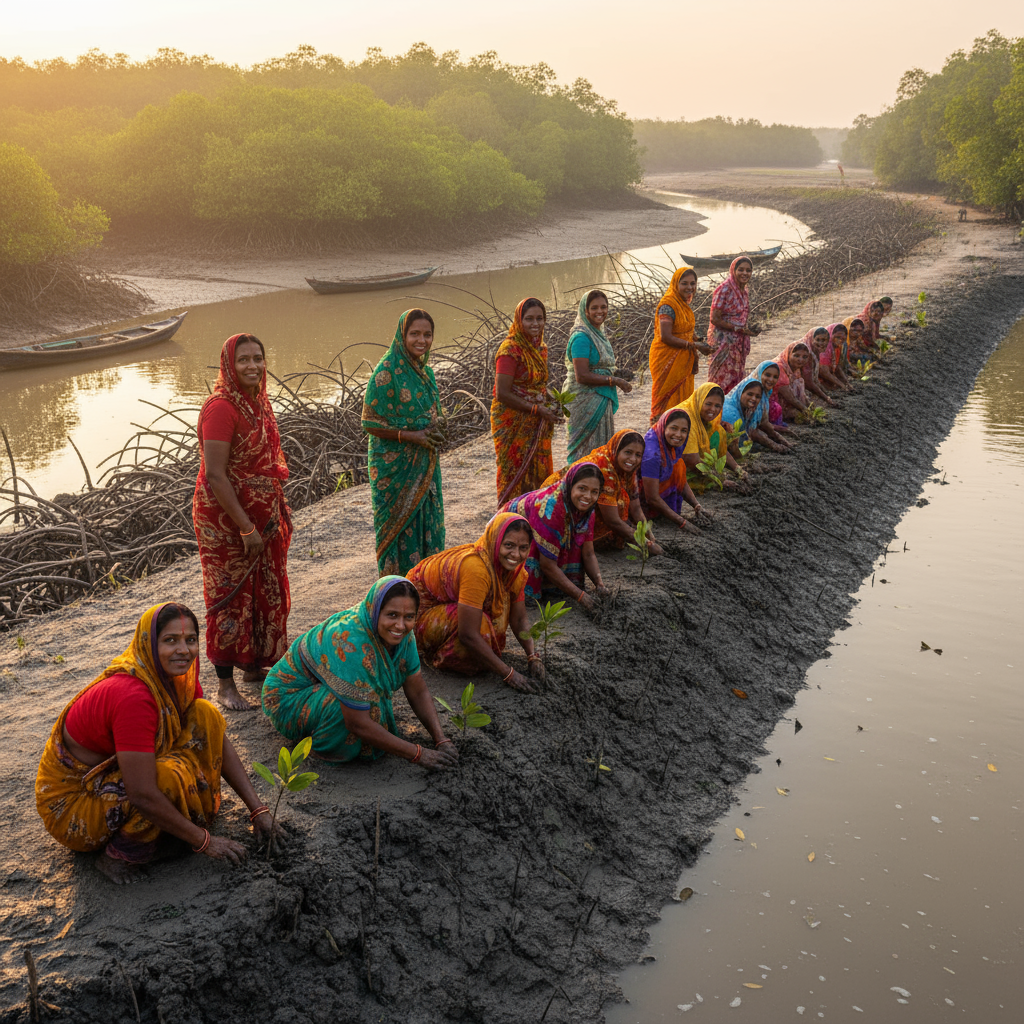
Women’s leadership defines SAIME’s social impact. Female-led mangrove nurseries established under the project supply high-quality seedlings to restoration sites and aquaculture farms.
In Bangladesh’s Sundarbans, women collect mangrove seeds floated upriver, preserve them for germination, and manage the nursery-to-planting pipeline. One such entrepreneur, 42-year-old Shefali Begum from Burigoalini village, earns approximately $52 monthly (6,000 taka) from pickle and molasses production using mangrove harvests—critical backup income when seasonal fishing bans affect household earnings. equatorinitiative
Shefali now leads a 40-member cooperative society, transforming from unemployed housewife to community leader.
Similarly, in India, women like 43-year-old Shumi Mondol in Khulna’s Dacope subdistrict actively participate in embankment mangrove restoration, understanding firsthand how green barriers protect their erosion-prone riverbank homes.
Institutional Capacity Building
SAIME established farmers’ cooperatives such as the Chaital Badabon Samannito Matsya Chaas Samity (Chaital Mangrove Integrated Fish Farmers’ Cooperative). These collectives institutionalize community-based resource management, facilitate collective bargaining with markets, and reduce middleman exploitation.
Participatory monitoring systems give farmers ownership over mangrove survivability tracking, aquaculture performance metrics, and biodiversity assessments—building technical capacity while strengthening social cohesion.
Training programs cover mangrove planting techniques, IMA system management, water quality monitoring, shrimp health diagnostics, and value chain integration.
Scientific Backbone: Research and Innovation
ICAR-CIBA’s Technical Contributions
India’s ICAR-Central Institute of Brackishwater Aquaculture provides crucial scientific support to SAIME. CIBA’s expertise includes: icar.org
- Brackishwater species breeding and seed production technology
- Development of the CIBA Shrimp Krishi App—a mobile application in English, Hindi, Tamil, and Telugu that enables real-time, data-driven farm management
- Cage farming demonstrations integrating Asian Seabass, milkfish, and crabs with mangrove conservation
- Integrated farming models combining aquaculture with livestock and vegetable cultivation on pond embankments
CIBA recently decoded the genome of mangrove red snapper (Lutjanus argentemaculatus), enhancing growth potential, reproduction, and economically important traits for brackishwater aquaculture.
Knowledge Exchange Platforms
SAIME facilitates cross-border knowledge exchange through joint workshops, multi-country symposiums, and farmer exchange visits. Bangladesh’s BEDS and India’s NEWS coordinate field-level implementation while partnering with research institutes to translate scientific findings into farmer-friendly practices.
The supportive working group comprising experts from academic institutions, seafood trade representatives, and sustainability consultancies ensures evidence-based decision-making throughout project phases.
Climate Impact: Blue Carbon and Coastal Defense
Carbon Sequestration Powerhouse
Mangrove ecosystems earn the “blue carbon” designation for their exceptional carbon storage capacity. Unlike “green carbon” terrestrial forests, blue carbon ecosystems—mangroves, seagrasses, and tidal marshes—trap carbon in plant biomass and in deep sediment layers that store it for millennia.
Studies confirm mangroves can sequester carbon at rates 3-4 times higher than tropical rainforests, with gross primary production five times greater than other coastal wetlands. Mangrove soils store 49-98% of total ecosystem carbon, with deposits ranging from 0.5 to 3 meters deep.
When destroyed, this carbon sink becomes a carbon bomb. Mangrove deforestation releases approximately 10% of global deforestation emissions despite covering merely 0.7% of tropical forest area. Seagrass meadow degradation alone can release up to 299 metric tons of carbon per hectare—equivalent to burning 3.5 million gallons of gasoline. oceans-research
SAIME’s mangrove restoration directly contributes to climate change mitigation by rebuilding these critical carbon sinks. Bangladesh’s mangrove plantations since the 1960s significantly aid the country’s Nationally Determined Contribution (NDC) targets under the Paris Agreement.
Natural Disaster Resilience
The Sundarbans protect millions of lives from cyclones and storm surges. Mangrove belts attenuate waves, trap floating debris during extreme events, and stabilize coastlines against erosion.
For countries like Bangladesh—among the world’s most vulnerable to climate change—mangrove restoration isn’t optional; it’s existential. Sea-level rise, intensifying cyclones, and salinity intrusion threaten coastal livelihoods and ecosystem services.
SAIME’s climate-adaptive approach integrates disaster risk reduction with livelihood security, creating resilient communities capable of withstanding climate extremes while maintaining economic productivity.
Value Chain Transformation: Fair Markets for Farmers
Breaking the Middleman Trap
Traditional shrimp value chains in South Asia are notorious for intermediary exploitation. Capital-intensive trading attracts multiple middlemen—account holders, processors, depots, beparis (traders), farias (small traders), and arotdars (commission agents)—each extracting profit margins while farmers receive minimal price realization.
SAIME addresses this through dialogue exchange models that directly connect farmers to producers’ companies and export markets. By forming cooperatives and adopting Naturland organic certification, farmers access premium price segments while maintaining traceability.
Certification under internationally recognized standards like Best Aquaculture Practices (BAP) and Aquaculture Stewardship Council (ASC) opens doors to conscious consumers willing to pay premium prices for sustainably sourced seafood.
Market Linkage Innovations
Training programs educate farmers on quality standards, hygiene protocols, record-keeping, and direct marketing strategies. Cooperative structures enable collective bargaining power, reducing individual farmer vulnerability to price fluctuations.
Women-led enterprises producing mangrove-derived products—pickles, molasses, tea, and mats—create diversified income streams independent of aquaculture cycles. These value-added products tap into growing markets for organic, forest-based specialty foods.
Challenges on the Road Ahead
Scaling Beyond Pilots
While SAIME demonstrates proof-of-concept across 42 farms, scaling to thousands of farmers requires overcoming substantial barriers:
Infrastructure Investment: Establishing IMA systems demands initial capital for mangrove seedlings, nursery infrastructure, and technical training
Knowledge Gaps: Many coastal farmers lack awareness of ecosystem-based aquaculture, holding perceptions shaped by previous experiences with chemical-intensive shrimp monoculture
Land Tenure Issues: Complex ownership patterns and regulatory ambiguities around coastal land use complicate large-scale implementation
Market Access: Building robust value chains connecting remote Sundarbans farmers to premium export markets requires sustained investment in logistics and quality assurance
Climate Adaptation Integration
Integrating climate change adaptation strategies with livelihood programs demands continuous innovation. Rising sea levels, changing salinity patterns, and unpredictable weather events require adaptive management frameworks that evolve with ecological conditions.
Policy and Institutional Support
Translating pilot success into policy frameworks remains critical. Governments must provide:
- Financial incentives for farmers adopting IMA systems
- Subsidies for mangrove seedling procurement and nursery establishment
- Technical advisory services through extension networks
- Land-use regulations protecting mangrove-aquaculture integrated zones
- Research funding for ongoing innovation in sustainable aquaculture technologies
Why SAIME Matters
Environmental Governance Framework
SAIME exemplifies ecosystem-based adaptation (EbA)—a nature-based solution aligning with multiple Sustainable Development Goals (SDGs):
SDG 13 (Climate Action): Carbon sequestration and disaster risk reduction
SDG 14 (Life Below Water): Marine biodiversity conservation and sustainable fisheries
SDG 15 (Life on Land): Mangrove forest restoration and terrestrial ecosystem protection
SDG 1 (No Poverty) & SDG 2 (Zero Hunger): Livelihood security and nutritious food production
SDG 5 (Gender Equality): Women’s empowerment through mangrove nurseries and cooperative leadership
India’s Climate Commitments
India’s Nationally Determined Contributions under the Paris Agreement include creating additional carbon sinks and enhancing climate resilience in vulnerable sectors. SAIME directly contributes by:
- Restoring coastal carbon sinks through mangrove afforestation
- Building adaptive capacity in climate-vulnerable Sundarbans communities
- Promoting sustainable livelihoods reducing pressure on natural resources
Regional Cooperation Model
India-Bangladesh collaboration through SAIME demonstrates effective transboundary environmental governance. The Sundarbans ecosystem doesn’t recognize political boundaries; its conservation requires coordinated regional action.
This model offers lessons for:
- South Asian Association for Regional Cooperation (SAARC) initiatives on climate adaptation
- Bay of Bengal Initiative for Multi-Sectoral Technical and Economic Cooperation (BIMSTEC) programs on coastal zone management
- Indo-Bangladesh Joint Rivers Commission deliberations on ecosystem services
Community-Based Natural Resource Management
SAIME showcases participatory governance principles central to India’s environmental policy discourse:
- Joint Forest Management (JFM) parallels in coastal contexts
- Panchayati Raj integration with ecosystem management
- Self-Help Group (SHG) models for livelihood diversification
- Free, Prior, and Informed Consent (FPIC) principles with indigenous and local communities
The Global Recognition: What It Means
When FAO conferred Global Technical Recognition on SAIME in October 2025, it elevated the model from regional experiment to international best practice.
The recognition ceremony, part of FAO’s 80th anniversary celebrations and World Food Forum, highlighted exemplary contributions across six priority areas, including sustainable aquatic food systems. SAIME stood out for:
✅ Innovation: Transforming the shrimp farming-mangrove conservation dichotomy into synergy
✅ Scalability: Demonstrating replicable approaches adaptable to diverse coastal contexts
✅ Multi-stakeholder Engagement: Integrating government, NGOs, research institutions, farmers, and private sector
✅ Climate Action: Contributing measurable impacts on carbon sequestration and disaster resilience
✅ Social Inclusion: Empowering marginalized coastal communities, particularly women
This global validation attracts international funding, policy attention, and technical partnerships that can accelerate SAIME’s expansion across 1.7 million hectares of potential mangrove restoration sites worldwide.
Replication Potential: Beyond Sundarbans
SAIME’s principles apply wherever mangroves and aquaculture intersect:
Southeast Asia: Indonesia, Vietnam, Philippines, Thailand, and Myanmar—hosting 85% of global shrimp production and the largest mangrove losses
South Asia: Sri Lanka, Pakistan, and Maldives with vulnerable coastal communities
Central and South America: Ecuador, Honduras, and Brazil facing similar mangrove-aquaculture tensions
Africa: Mozambique, Kenya, and Madagascar with emerging aquaculture sectors
Adaptation requires context-specific modifications considering:
- Local mangrove species composition
- Aquaculture traditions and market preferences
- Land tenure systems and governance structures
- Climate vulnerabilities and adaptation priorities
- Value chain infrastructure and market access
Conclusion: From Competition to Cooperation
SAIME’s journey from community initiative to FAO-recognized global model encapsulates a profound shift in how humanity can engage with nature—not as conqueror or victim, but as cooperative partner.
The key success factors are clear:
Community Participation: Local ownership drives sustainability beyond project timelines
Ecosystem-Based Approach: Working with natural processes yields economic and ecological dividends
Multi-Stakeholder Partnerships: Combining grassroots knowledge, scientific expertise, policy support, and market access creates transformative impact
Women’s Leadership: Empowering female community members multiplies social benefits and strengthens resilience
Evidence-Based Adaptation: Continuous monitoring, research, and adaptive management ensure relevance amid changing conditions
For the millions dependent on coastal ecosystems, SAIME offers tangible hope—proof that economic development and environmental conservation aren’t zero-sum games. The Sundarbans farmers doubling their incomes while planting tens of thousands of mangrove trees embody this possibility.
As climate change intensifies, sea levels rise, and coastal communities face existential threats, the SAIME model lights a path forward. It demonstrates that with innovation, collaboration, and respect for nature’s wisdom, we can build futures where prosperity and planet thrive together.


+ There are no comments
Add yours