
Saving the Last of a Kind
Conservationists across the globe have faced a grim reality: once a species vanishes from its last wild stronghold, it’s often lost forever. But hope is not extinct—especially when innovative, research-backed methods like ex-situ artificial breeding are brought into play. Nowhere is this more visible than along China’s great Yangtze River, where scientists are fighting for the future of the Yangtze finless porpoise, the world’s only freshwater porpoise species and an indicator of the river’s health.
What Is Ex-Situ Artificial Breeding—and Why Does It Matter?
Ex-situ (off-site) conservation involves moving individuals of a species from their natural habitat into controlled environments—like sanctuaries or breeding centers—so they can be protected, studied, bred, and ultimately reintegrated into the wild. This strategy is often a last, but life-saving, option for those facing immediate extinction threats.
Artificial breeding refers to the managed reproduction of species through human intervention in controlled conditions. When paired with ex-situ management, artificial breeding protects genetic diversity, guards against environmental disasters, and allows population numbers to recover.
Together, these strategies offer several powerful benefits:
- Guarding against extinction from sudden events like habitat destruction or disease outbreaks.
- Preserving genetic diversity through careful pairing and breeding plans.
- Facilitating scientific research on critical needs like health, diet, and behavior.
- Supporting future reintroductions to restore species to strengthened natural habitats.
The Yangtze Finless Porpoise: A Flagship for River Conservation
Why the World Watches This Dolphin
- The Yangtze finless porpoise (Neophocaena asiaeorientalis asiaeorientalis) exists only in the Yangtze River and its connected lakes in China—and is critically endangered.
- After the functional extinction of the Baiji river dolphin, the finless porpoise became a powerful symbol of Yangtze biodiversity and health.
- Threats include overfishing, pollution, habitat fragmentation, accidental entanglement, and runoff from rapid development. As a result, population numbers once plunged alarmingly.
Turning the Tide with Ex-Situ Initiatives
- In recent years, China established eight natural reserves and three ex-situ conservation areas for the porpoise along the Yangtze.
- Facilities such as the Baiji Dolphinarium in Wuhan and the Tian-e-Zhou Baiji National Natural Reserve have pioneered ex-situ and artificial breeding for this species. bcas.edpsciences
- Notable results: Institutes now house several captive-born porpoises—and, crucially, successfully reintroduce acclimatized animals back to the wild for population recovery.
How Ex-Situ Artificial Breeding Works: The Porpoise Model
Key Steps
- Rescue and Relocation:
Porpoises are carefully captured from threatened river stretches and transferred to semi-natural “insurance populations” in protected backwaters, reservoirs, or pools. - Controlled Breeding:
Specialists monitor animals for health, behavior, and reproductive readiness, sometimes introducing carefully selected mates to encourage pairing and ensure genetic diversity. - Artificial Insemination and Rearing:
Where natural breeding is unsuccessful, artificial insemination under veterinary supervision helps boost birth rates for rare or aging populations. - Continuous Monitoring:
All offspring are tracked using genetic and behavioral assessments to avoid inbreeding depression and maintain a strong, healthy population base. pmc.ncbi.nlm - Acclimatization and Release:
Once animals are strong and trained to forage and evade hazards, some are gradually reintroduced to the Yangtze or its larger lakes to rebuild river populations.
Successes and Ongoing Efforts
- Population Uptick: For the first time in decades, finless porpoise numbers rose from 1,012 to 1,249 (23% increase between 2017 and 2022)—a landmark achievement that many attribute to ex-situ efforts, stronger law enforcement, and river-wide restoration. wwf.panda
- Genetic and Behavioral Gains: These populations retain natural behaviors and moderate levels of genetic diversity—vital for ecosystem resilience.
- Model for Others: No other river dolphin or critically endangered cetacean has established such a successful ex-situ, self-sustaining breeding population thus far.
Why Does Ex-Situ Breeding Work For the Yangtze Porpoise?
- Semi-Natural Habitats: Ex-situ populations aren’t in sterile labs—they’re housed in lakes and reserves that mimic natural conditions, reducing domestication effects and keeping survival instincts sharp.
- Comprehensive Protection: Removed from fishing gear, boat traffic, and polluted waters, these porpoises can thrive, grow, and breed without fear of routine threats.
- Insurance Policy: Even if wild populations face further disaster, reserve stock ensures the species can be rebuilt.
Broader Ecological Impact: More Than Just Saving Porpoises
Ex-situ breeding:
- Strengthens Ecological Preservation: Protecting one flagship species cascades into wider protection for the Yangtze’s 4,000 endemic species, and the resources-gathering of nearly 400 million people who depend on the river.
- Enriches Scientific Knowledge: Tracking success stories and challenges in ex-situ breeding informs best practices for endangered aquatic mammals worldwide.
- Demonstrates the Power of Conservation Law: The combination of legal protections (e.g., the Yangtze River Protection Law), community collaboration, and technical advances dodges extinction and shows real hope.
Challenges and Future Directions
While ex-situ breeding and artificial reproduction have shown promise, experts stress:
- Genetic Diversity Management: Periodic introduction of new individuals from the wild prevents inbreeding—critical for long-term viability.
- Habitat and Policy Synergy: Ex-situ success depends on cleaning up and restoring river habitats for reintroduction to be meaningful and lasting.
- Public Engagement: Education and community science can sustain momentum for conservation and stewardship at every level.
How You Can Get Involved and Support Conservation
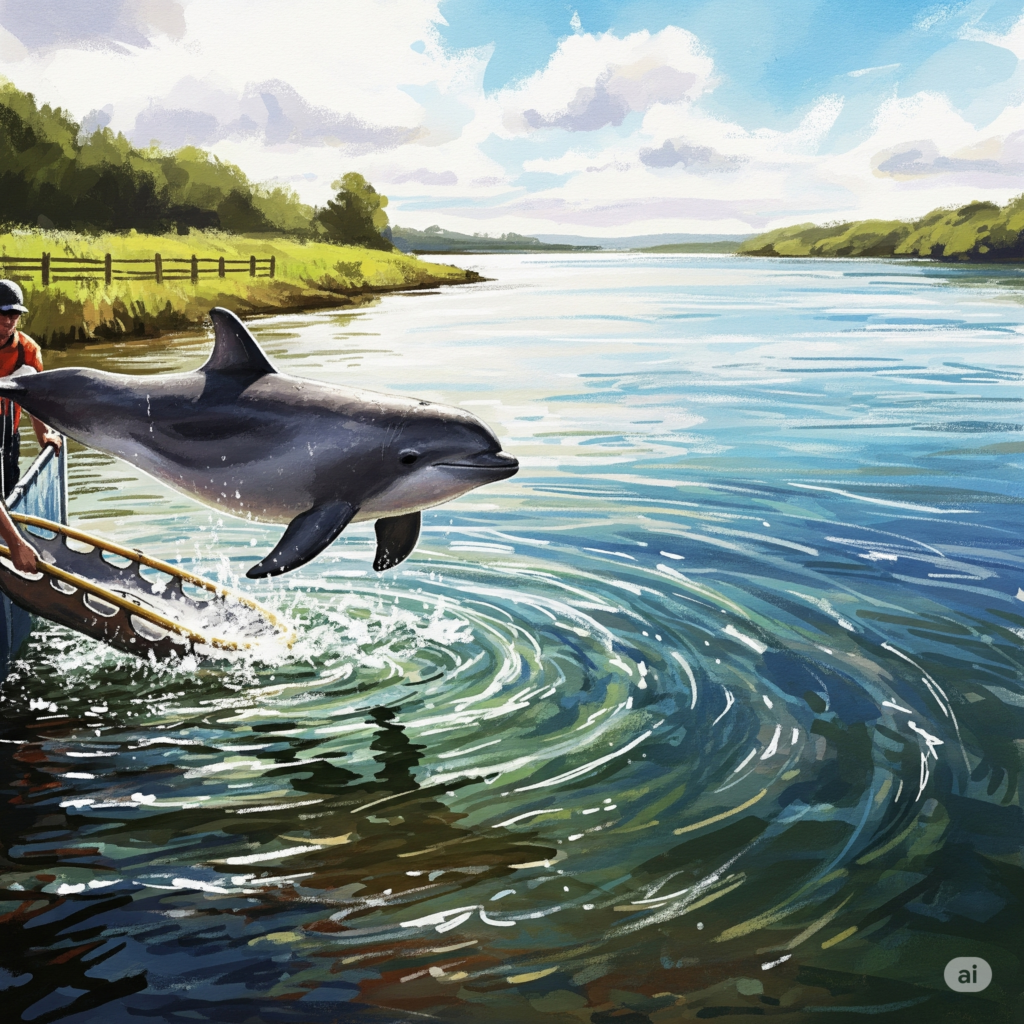
- Follow updates from leading institutes preserving the Yangtze finless porpoise.
- Promote eco-friendly, river-safe practices in your community.
- Support organizations advocating for wildlife-friendly waterway management and stricter fishing/boating rules in endangered ecosystems.
- Share success stories—your voice and awareness amplify the urgency for sustaining biodiversity.
Conclusion: Conservation in Action—The Future Depends on Us
The recovery of the Yangtze finless porpoise is not just a win for China, but a beacon for global wildlife efforts. Ex-situ artificial breeding—once considered a last resort—is proving to be a practical, hopeful, and effective bridge to species survival. By nurturing, boosting, and rehabilitating animal populations, we strengthen not only our natural heritage but the hope for a more balanced, biodiverse future. Are you ready to play your part in the next breakthrough for wildlife?
Share your thoughts, support river-safe conservation, and help write the next great conservation success story.









+ There are no comments
Add yours