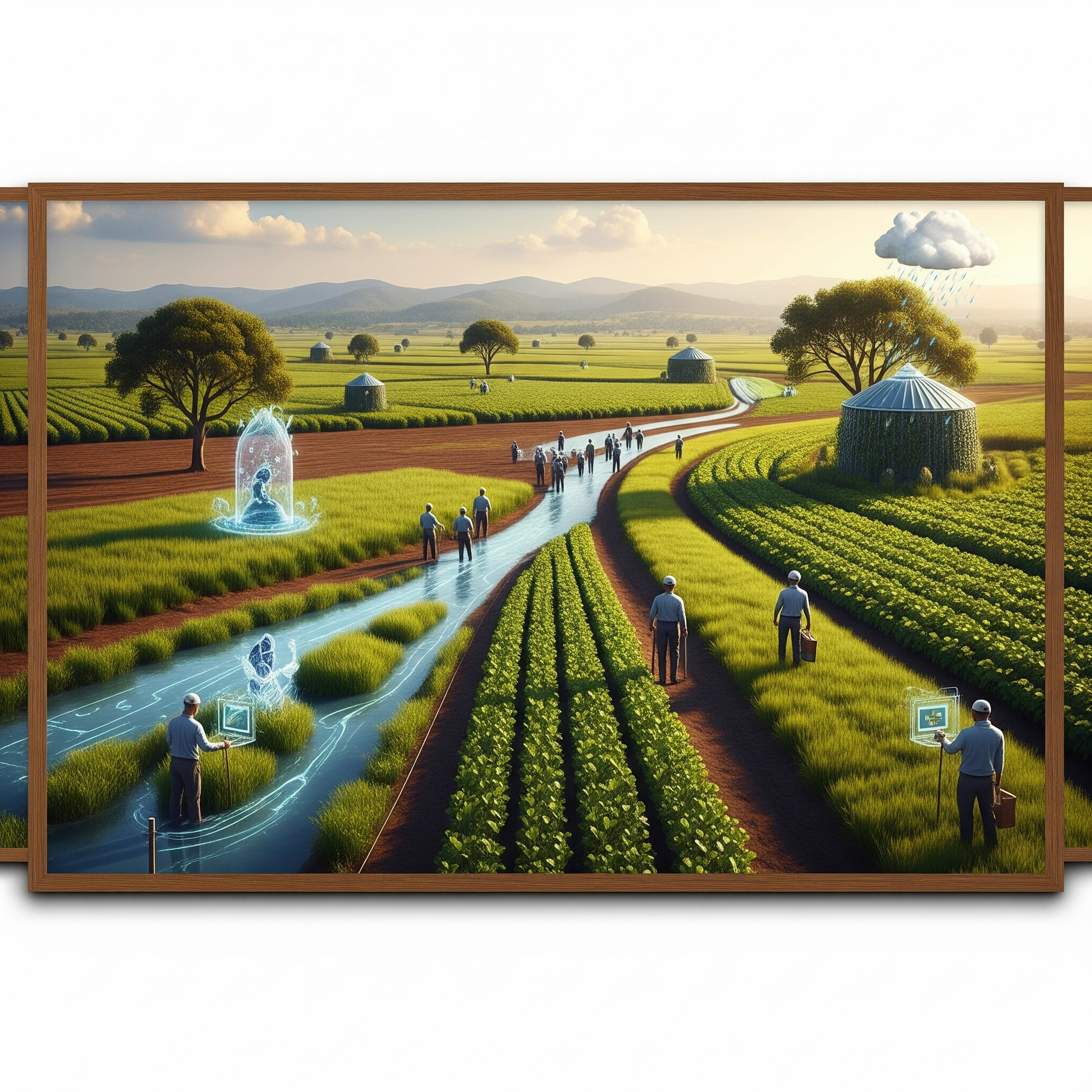
Farming on the Edge
India’s agriculture, which sustains over half of the country’s population, is increasingly vulnerable to climate change. Erratic rainfall, prolonged droughts, and shifting seasonal patterns are no longer rare events. The good news? A growing wave of climate-smart technologies and farming practices is emerging to help Indian farmers cope, adapt, and even thrive.
This blog explores the top climate-smart innovations making their way to Indian fields – from tech solutions to traditional wisdom, and from smallholder-focused tools to scalable green systems.
What is Climate-Smart Agriculture (CSA)?
The Food and Agriculture Organization (FAO) defines Climate-Smart Agriculture (CSA) as an approach that:
- Increases productivity sustainably
- Enhances resilience (adaptation)
- Reduces or removes greenhouse gas emissions
- Enhances national food security and development goals
In India, CSA is particularly relevant due to the country’s large population, small landholdings, and diverse agro-climatic zones.
Key Climate-Smart Technologies in India
1. Precision Agriculture with IoT and AI
Smart sensors, GPS-guided equipment, and AI-powered advisory platforms are enabling real-time decision-making on irrigation, fertilization, and pest control. Companies like Fasal, CropIn, and DeHaat are leading the charge.
Impact: Higher yields, reduced input costs, and optimized water use.
2. Drought-Resistant & Climate-Resilient Crops
ICAR and ICRISAT have introduced high-yield, low-water-requiring varieties of rice, wheat, and millets. These can thrive in changing climatic conditions.
Example: The drought-tolerant Sahbhagi Dhan paddy in Bihar and Jharkhand.
3. Solar-Powered Irrigation Systems
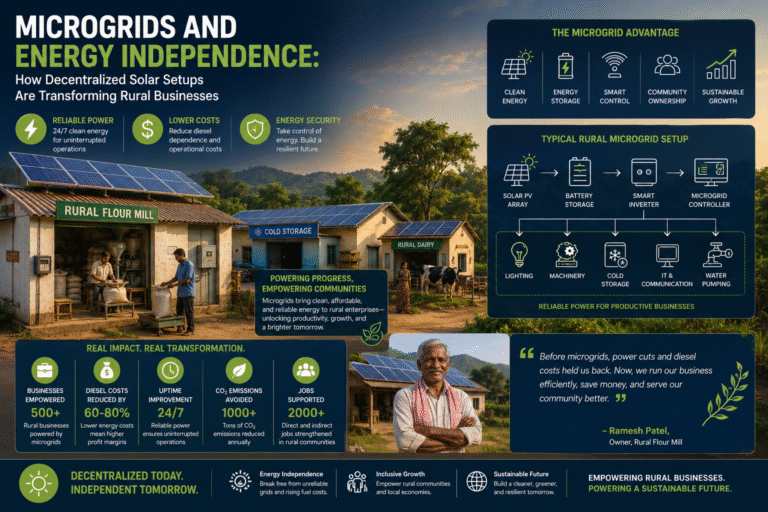
Solar pumps are replacing diesel pumps across India under the PM-KUSUM scheme. This not only cuts fuel costs but also reduces emissions.
4. Agroforestry & Mixed Cropping
Blending trees with crops and livestock offers soil health benefits, biodiversity, and long-term climate buffering.
Example: Maharashtra’s community-led agroforestry initiatives using native trees like moringa and neem.
5. Digital Advisory Platforms
Apps like Kisan Suvidha, Krishi Network, and IFFCO Kisan provide localized weather forecasts, market prices, and real-time agronomic advice.
6. Climate-Smart Cold Storage
Affordable, solar-powered cold storage systems are helping farmers reduce post-harvest losses. Promethean Power and Ecozen Solutions are pioneering this tech in rural India.
Traditional Wisdom, Reimagined
Climate-smart doesn’t always mean high-tech. Traditional Indian farming methods are inherently sustainable and are making a comeback.
1. Zabo Farming in Nagaland
Uses forest runoff and livestock waste for terraced paddy irrigation and soil regeneration.
2. Haveli Systems in Madhya Pradesh
Traditional water-harvesting tanks that recharge soil moisture during dry spells.
3. Vedic Farming
Organic inputs such as jeevamrut and panchgavya are boosting soil microbiology and crop immunity.
Policy & Institutional Support
The Indian government and institutions are playing a critical role in scaling CSA:
- National Mission on Sustainable Agriculture (NMSA)
- PM-KUSUM Scheme for solar energy use in farming
- Indian Council of Agricultural Research (ICAR) trials and subsidies
- NABARD grants for smallholders adopting climate-resilient tools
Challenges to CSA Adoption
- Cost barriers for small and marginal farmers
- Low digital literacy in rural regions
- Fragmented landholdings that limit technology use
- Need for localized solutions due to India’s agro-diversity
Despite these, the momentum is building with support from public-private partnerships and rural innovators.
The Road Ahead: Greener, Smarter, Fairer
As India aims to double farmer income and meet climate goals, climate-smart agriculture is not optional – it’s essential. The convergence of ancient practices, modern technology, and climate science holds the key to a more secure and sustainable farming future.
The time to scale CSA is now – for our farmers, our climate, and our shared future.









+ There are no comments
Add yours